The trade union movement is alive!
The 23rd Congress of the International Federation of Musicians (FIM), the global umbrella organization of musicians' unions, which took place in Geneva at the end of June, discussed current problems in the music industry and made it clear that they can only be solved by joining forces.




When you get on the bus at Geneva train station heading towards the Palais des Nations, the European headquarters of the United Nations, and look at the passengers, it is easy to believe that Geneva is perhaps the most cosmopolitan city in Europe: over 100 international organizations have their headquarters in the western Swiss city, including the World Health Organization (WHO), the World Trade Organization (WTO), the World Intellectual Property Organization (WIPO) and the International Labour Organization (ILO). The latter organized the 23rd FIM Congress together with the SMV. The Swiss Musicians' Union took over the organization of the congress at relatively short notice and was able to benefit from the ILO's excellent infrastructure. As the last congress in May 2021 had to be held online due to the pandemic, the delegates were all the happier to be able to gather together in one place again.
Geneva Brass opened the event musically with stupendous virtuosity. Davide Jäger, SMV Co-Central President, spoke about how making music can be a role model for the world, while Daniel Lampart, SGB Central Secretary, said that the current situation was difficult for workers and democracy: only corporations were benefiting from economic success and populists were profiting from the tense situation. Good working conditions are very important. Frank Hagemann from the ILO stated that his organization is on the side of the musicians. Only with trade unions could solutions for sustainable social security be achieved. Musicians are part of the international economy. There are too many informal agreements in the entertainment industry, but creative work must be adequately paid. Sylvie Forbin, Deputy Director General of WIPO, noted that music is omnipresent in the world and accompanies many moments in life. As far as exploitation was concerned, improvements were needed. The ILO and WIPO are linked by common goals. The effects of streaming have been under investigation since 2015, rapid technological progress requires swift responses and the music sector is also central to the application of artificial intelligence.
Carine Bachmann, Director of the Federal Office of Culture FOC, stated that it is the responsibility of the state to create the framework conditions for music. Music is also a tool for integration and a home for the homeless.
John Smith, President of the FIM, thanked the ILO for its hospitality and recalled that it had set many international standards, e.g. with regard to gender equality.
Thematic panel discussions
Three thematic panel discussions were dedicated to currently important topics: The challenges of collective bargaining for the self-employed, the impact of the rise of on-demand radio on license fees and collective agreements in the field of AI. On the first topic, Naomi Pohl, General Secretary of the UK Musicians' Union, explained that in London's West End, 90% of workers are unionized. In other countries, there is too much isolation, the more members a union has, the more power it has. It is also important to convince freelancers of the trade union idea. Margherita Licata (ILO) pointed out that the status of freelancers varies from country to country. Due to the different employers and workplaces, collective bargaining in the music sector would differ from other sectors, also due to the distribution and ownership of recordings. Numerous delegates described the situation in their countries: "Even in Europe, the situation is unsatisfactory in some places, but in Côte d'Ivoire, musicians are often not paid regularly. Musicians still lack self-confidence, which is not surprising as their work is not perceived as a profession by the population and the status of artists is not yet secure. In Brazil, on the other hand, there is a very good law from 1978 that would be fantastic if it were implemented. The protection of workers and their pensions would be guaranteed, but there would often be no verification.
Artificial intelligence and copyright as challenges
As far as artificial intelligence (AI) is concerned, there are calls for more rules to put generative AI in its place and stop the theft of works created by humans. AI could also lead to a loss of employment. Individual states or trade unions are often overwhelmed, and the rights of authors must be defended collectively, preferably with strong global laws. This is undoubtedly necessary when influential CEOs such as Mark Zuckerberg believe that artists overvalue their works. Platforms must be forced to the negotiating table.
The Congress also had to vote on a large number of motions, some of which related to the amendment of the FIM Statutes. The promotion of equality between women and men was also an issue: the Congress supports the establishment of a network of women's desks in all member unions. Systemic barriers to women's participation and advancement should be identified, best practices and resources should be shared between unions and initiatives should be implemented to increase the proportion of women in orchestras, leadership positions and other key positions. The FIM Congress also calls for an end to the use of blackface and for equal pay for equal work.
Elections ensure continuity and renewal
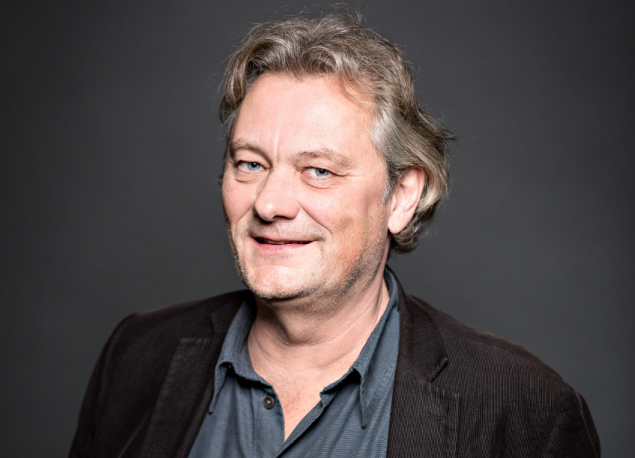
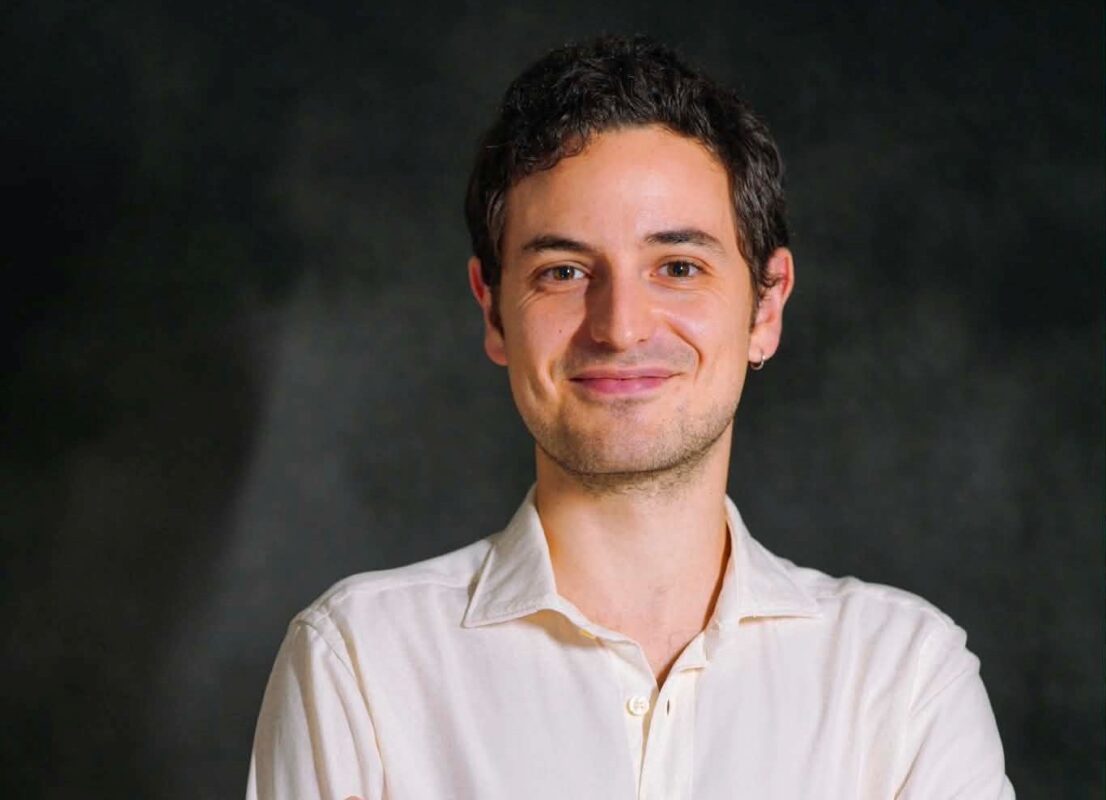
In the elections, the previous President John Smith from the UK was re-elected by acclamation. Fortunately, the election of the Vice Presidents resulted in perfect equality between women and men and an almost ideal geographical distribution. In future, the Vice Presidium will consist of Tino Gagliardi (USA), Karin Inde (Sweden), Edith Katiji (Zimbabwe), Irene Monterroso (Costa Rica) and Beat Santschi (Switzerland). Australia, Austria, Brazil, Bulgaria, Canada, Denmark, Finland, France, Germany, Greece, Hungary, Israel, Japan, Kenya, Norway, Romania, Senegal and the UK are represented on the Board.
The SMV and its Central Secretary Beat Santschi can be proud of having perfectly organized a very important FIM Congress and even organized very varied leisure activities for the delegates. The FIM, on the other hand, emerges from this Congress stronger in its role as a global leader in the defense of musicians' rights.