Lucerne study on Wagner's anti-Semitism
The City of Lucerne and the Richard Wagner Museum have commissioned research into two key phases of Lucerne's Wagner history in the context of anti-Semitism.




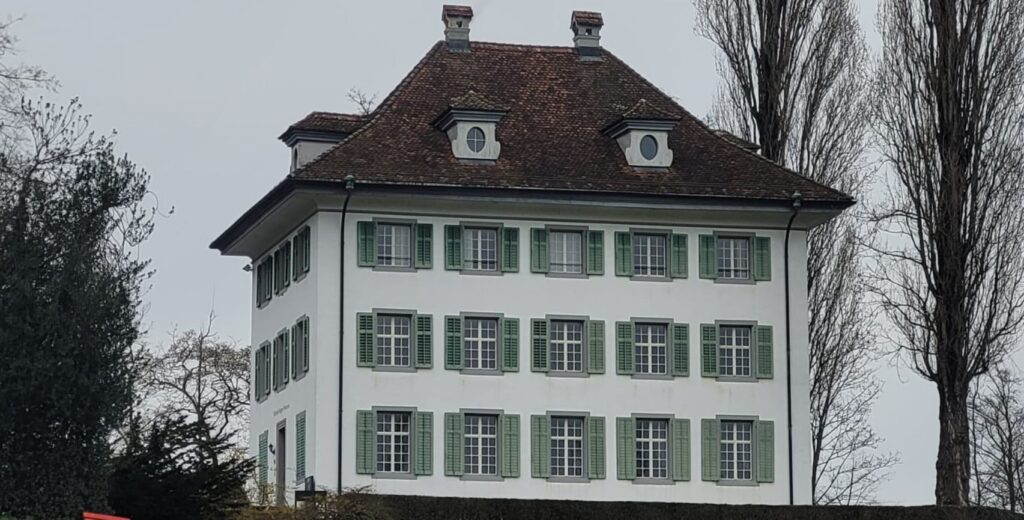
According to the city's press release, the investigation was triggered by a postulate that called for a critical review of the permanent exhibition. The report shows how Wagner worked in Lucerne and how the museum came into being in the 1930s. The City Council reaffirms that anti-Semitism is incompatible with the principles of the City of Lucerne and is consistently rejected. The museum presents Wagner's anti-Semitism transparently, critically and without whitewashing.
The city council commissioned the Swiss Society for History (SGG) to carry out an academic project. The research focused on two phases: Wagner's time in Tribschen from 1866 to 1872 and the years when the museum was founded between 1931 and 1956. An independent scientific advisory board accompanied and reviewed the project.
The report by historian Patrik Süess comprehensively demonstrates that Richard Wagner's anti-Semitic statements were very clear and unambiguous. During his years in Lucerne, Richard Wagner consolidated central parts of his radical nationalist and anti-Semitic stance and published his revised pamphlet «Das Judenthum in der Musik». It also becomes clear that the founding of the museum in the 1930s took place at a politically charged time and that individual actors had links to National Socialist circles. The study presents these developments transparently and provides a well-founded historical classification.
More info:
https://www.stadtluzern.ch/aktuelles/newslist/2873023