Ten Years of SONART: Recognizing the Full Value of a Career in Music
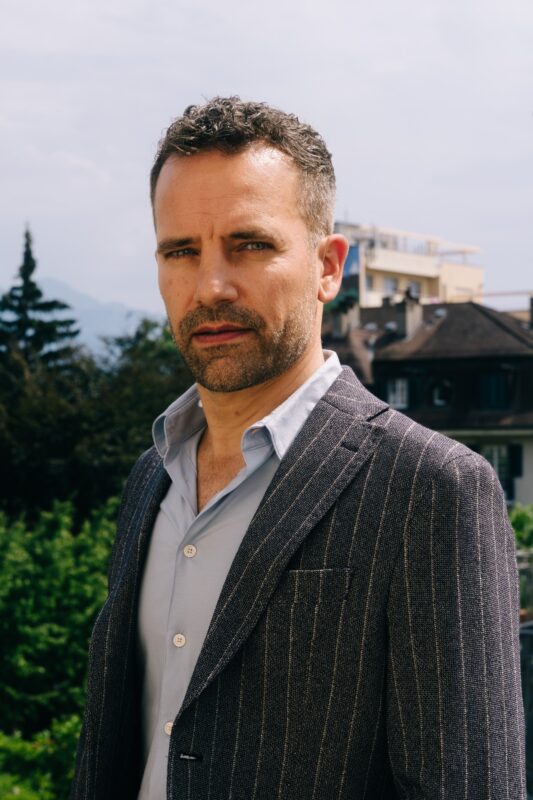
When I took over as chair of SONART, I did so out of a deep conviction: Music is one of our country’s greatest treasures, an indispensable asset—yet those who breathe life into it do not always receive the professional, economic, and social recognition they deserve.




As a trained musician and current director of a conservatory, I meet artists every day who come from a wide variety of backgrounds. I am well aware of how demanding their work is and how fragmented it often is—divided between artistic performances, teaching, composition, project management, and cultural outreach. I am also aware of the vulnerability that such careers can sometimes entail. That is why I believe that the coming years will be crucial for strengthening the framework conditions for music professions in Switzerland.
One top priority is clear: implementing SONART’s fee recommendations. Thanks to the association’s remarkable work, we now have a clear framework for better compensating musical work. The challenge now is to put these recommendations into practice.
This step requires dialogue, outreach, and shared responsibility. There is resistance. Some event organizers fear additional costs, and some communities are still hesitant to adjust their funding mechanisms. Nevertheless, one thing remains indisputable: No one wants their work to be compensated at a rate below the actual costs. Why should it be any different for artists?
One of the key challenges is undoubtedly making visible what normally remains invisible. When an audience attends a concert, they experience one or two hours of music. They don’t see the countless hours of preparation, the rehearsals, the travel, the administrative work, the research, the efforts to secure performance opportunities, or the constant personal growth that a career in music requires. Like many other creative professions, music is built on a vast, invisible part of the iceberg. Yet this work has value. It deserves to be recognized and compensated.
The second priority is social security. Too many freelance musicians today operate within systems that no longer reflect the reality of their professional careers. Fluctuating incomes, a multitude of employers, and the shift between employed and self-employed work: these models have become the norm, while our social security system is still largely geared toward other lifestyles.
This isn’t just a technical or administrative issue. It’s about enabling artists to shape their future with greater security. It’s also about making our professions attractive to new generations. As the director of an educational institution, this issue is particularly close to my heart. Training young musicians to achieve artistic excellence only makes sense if we also consider the conditions under which they will be able to practice their profession in the future.
A recent development also highlights just how fragile the visibility of Swiss music still is. The SRG’s announcement that it plans to sell the stations Radio Swiss Pop, Radio Swiss Classic, and Radio Swiss Jazz has sparked great concern at SONART. According to the announced terms, the new operators have committed to maintaining the current programming focus and a minimum share of 50 % Swiss music—but only for a period of two years. Beyond that, there are no guarantees whatsoever.
This decision comes as a surprise. For many years, these stations have served as important platforms for the dissemination, discovery, and promotion of Swiss artists. Not only do they contribute to the cultural diversity of the media landscape, but they also generate significant revenue for creators thanks to copyright and related rights. SONART has been a staunch advocate for a strong SRG and an ambitious public service, precisely because these play a crucial role in the visibility of Swiss music. Today, we demand that the presence of Swiss music be permanently secured and that any loss of visibility in the other radio, television, and digital offerings of public service broadcasting be specifically compensated for. Our country’s musical richness deserves more than just a short-term guarantee.
Finally, I hope that SONART will continue to be a true shared home for the country’s musicians. The strength of our association lies in its ability to represent all language regions and all musical styles. Classical music, jazz, contemporary music, composition, film music, improvisation, stage or studio: What unites us is stronger than what sets us apart. We share the same passion, but also common professional challenges.
In 2027, SONART will celebrate its tenth anniversary. This milestone will certainly be a cause for celebration. But it should also be an opportunity to listen to our members, take a clear stock of where we stand, and work together to set priorities for the next decade. Switzerland needs its musicians. It needs their creativity, their ability to build connections, and their contribution to enriching democratic debate. It is now up to us to ensure that society fully recognizes the value of their contribution and enables them to practice their profession under dignified and sustainable conditions.