An opera created under the worst possible circumstances
Viktor Ullmann’s opera *The Emperor of Atlantis* was composed in the Theresienstadt ghetto camp. The source materials are now available as a facsimile edition, complete with extensive supplementary material and scholarly essays.


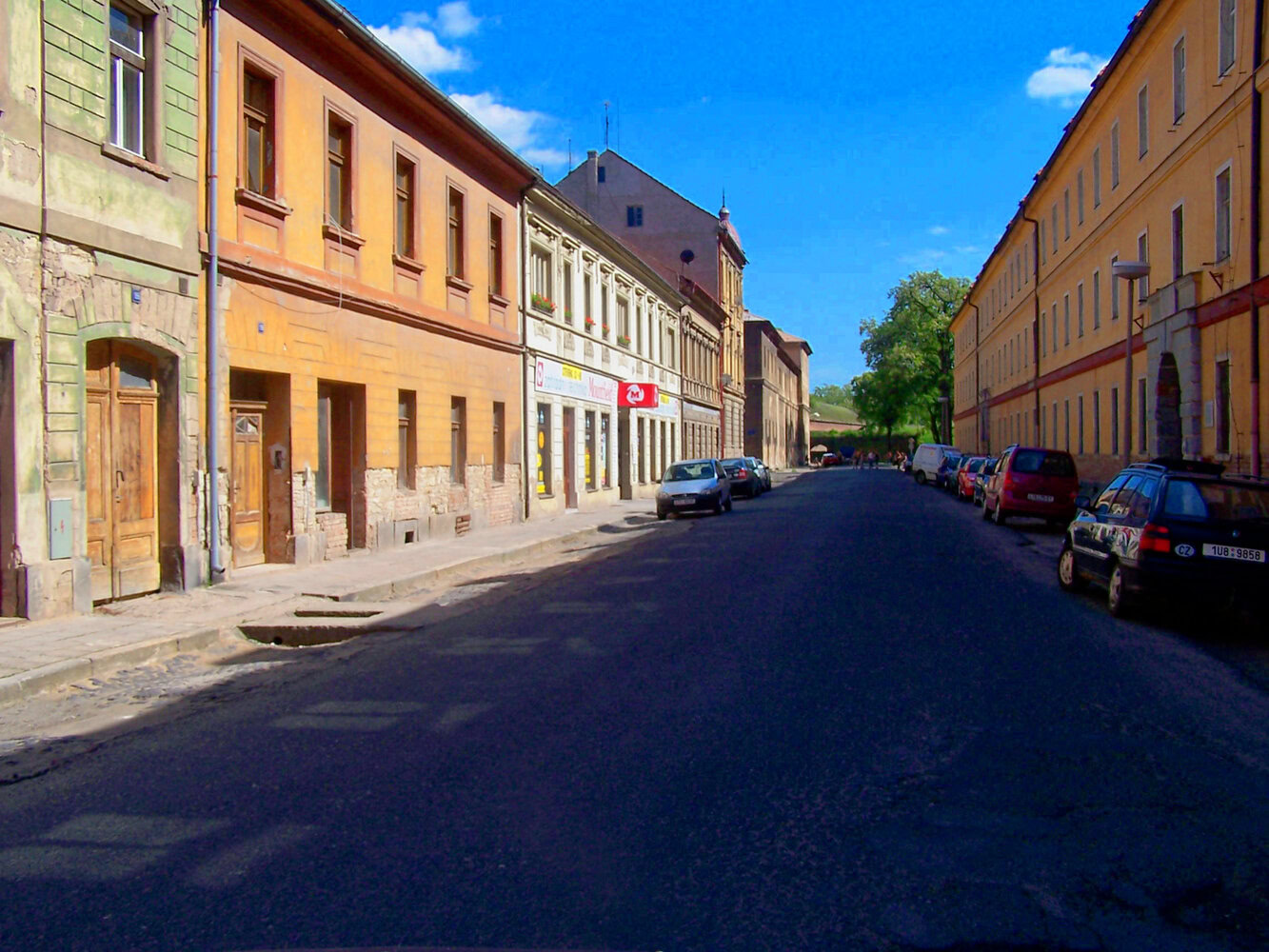
Viktor Ullmann was taken to Theresienstadt on September 8, 1942. There, together with Hans Krása, Gideon Klein, and Rafael Schächter, he took over the musical direction of the so-called «leisure activities» in the ghetto. It was there that he composed his opera The Emperor of Atlantis. In October 1944, Ullmann was deported to Auschwitz on one of the last transports and murdered.
It took a long time for the facsimile to be published Emperor of Atlantis published by Bärenreiter—it was worth the wait. This large-format volume, nearly 300 pages long, contains more than just a facsimile of the score. It also includes the various versions of the libretto: the handwritten version by Peter Kien and his typescript, which was written on the back of discarded deportation records of Jewish people from Theresienstadt. These are harrowing testimonies to cruelty.
Massacres, Deportation, and Death
The editor, Heidy Zimmermann—a research associate at the Paul Sacher Foundation in Basel, where part of Ullmann’s estate is held on deposit by the Goetheanum in Dornach—has thus produced a valuable and important work. The chamber opera, which lasts about an hour, is now regularly performed on stages both large and small. However, the complex historical context of the work—which was so important to its creators—fades with the passage of time.
Here, Zimmermann unsparingly reveals the reality of the work’s creation: the paper shortage in the ghetto, which constantly forced the creative prisoners to seek workarounds; the constant decimation of the participants through deportation and death, which ultimately also prevented the premiere from taking place in the camp; the seriousness with which Kien, Ullmann, and the performers engaged with the work—as evidenced, for example, by the existence of several versions of the opera’s title. A facsimile of Karel Bermann’s role book as «Death» is also included. In addition, there are special, previously unknown treasures to discover: two original set designs by František Zelenka, a wash drawing by Peter Kien of a rehearsal, and an illuminating cartoon based on the libretto, also by Peter Kien. The volume is rounded out by five scholarly essays, a bibliography, and a synopsis of the text versions. This facsimile volume is the perfect introduction and an important scholarly foundation for anyone wishing to explore the work—for example, in preparation for a newly planned production.
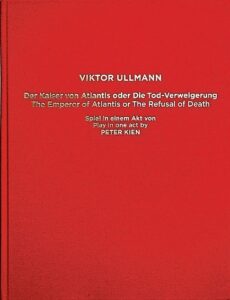
Viktor Ullmann: The Emperor of Atlantis, or The Refusal of Death, Facsimile of the Source Materials, edited by Heidy Zimmermann, 295 pp., €199.00, Bärenreiter, Kassel 2025, ISBN 978-3-7618-2350-7