The colorful diversity of Swiss yodeling
The Swiss yodel has a centuries-old history. Time and again it has changed, adapted to the social sound ideal and reinvented itself.




The mysterious row of cows
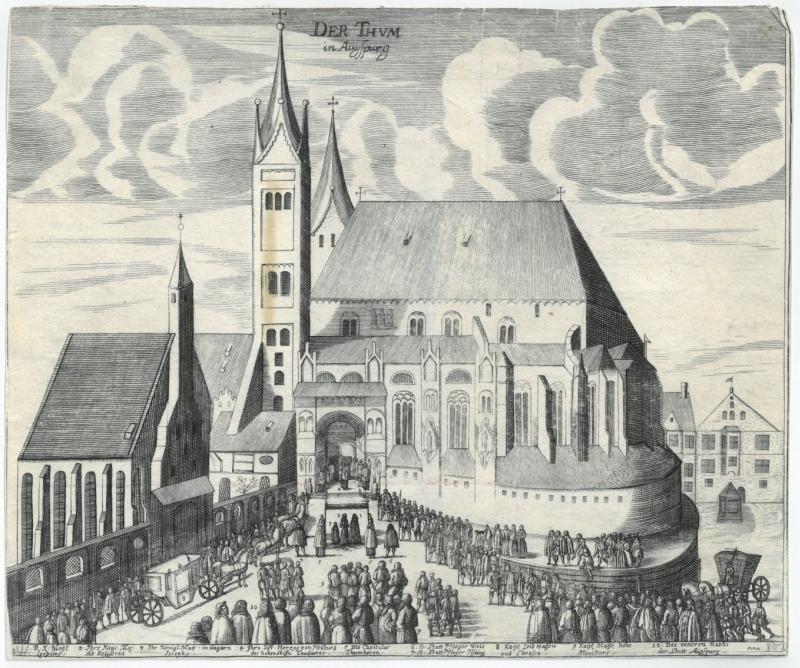
The oldest mentions of yodel-like sounds date back to the late 400th century, when Christian monks crossed the Alps and described the «terrible cries of the shepherds». These cries were presumably a form of communication used by the inhabitants of the Alps over long distances. From the middle of the 16th century, Alpine songs and melodies were described in written sources as «cow rows» and written down by foreign travelers. The oldest written notation of a «Kue Reiens» with yodel syllables and lyrics comes from the songbook of the Appenzell nun Maria Josepha Barbara Brogerin from 1730.
In 1768, the Genevan philosopher Jean-Jacques Rousseau noted a Ranz des Vaches in his Dictionnaire de musique - the equivalent of the cow row in French-speaking Switzerland. He also recounts a legend from the late 17th century, according to which Swiss mercenaries were seized by homesickness on hearing the cow's row, burst into tears and deserted their pay. This legend was partly responsible for the increasing mystification of the cow's row over the course of time and was used by countless composers in the 18th and 19th centuries as a source of inspiration for their Alpine romanticism, such as the overture to Giacomo Rossini's opera «William Tell».
The Swiss Yodelling Association and the yodelling song
Ideals of sound from classical music spilled over into yodeling in the 19th century: the polyphonic yodel song emerged with lyrics that described the local landscapes, the mountains and an idyllic life in the countryside. At the beginning of the 20th century, two different types of yodeling existed. At the beginning of the 20th century, two different types of yodeling existed side by side: the wordless nature yodel, which is sung only on syllables and today is mainly cultivated around the Alpstein, in Muotathal, Entlebuch and the Bernese Oberland, and the yodel song with verses, which was particularly protected by the Swiss Yodelling Association (EJV), founded in 1910, and increasingly established itself as a Swiss national symbol - a development that was to distinguish Swiss yodelling in particular from Austrian yodelling (the so-called «Tyrolerei»). Since 1924, the EJV has regularly organized yodelling festivals with yodelling competitions, which are held according to strict regulations.
Current developments
Towards the end of the 20th century, resistance arose against these stifled rules. New possibilities for yodeling were sought in urban areas in particular: urban yodeling. In the 1990s, for example, Bernese singer and actress Christine Lauterburg mixed yodeling with techno and dancefloor, a crossover that caused outrage among many traditionalists.
Further developments in yodelling have been observed since around 2010, such as the so-called wild yodel. Here, experimental yodellers search for the archaic origins of yodelling and combine them with traditional music from other cultures. In doing so, they create a way to make yodelling relevant in the age of globalization.