Jerusalem in the center
The five-day chamber music festival Mizmorim in Basel from January 21 to 25 focused on intercultural encounters.




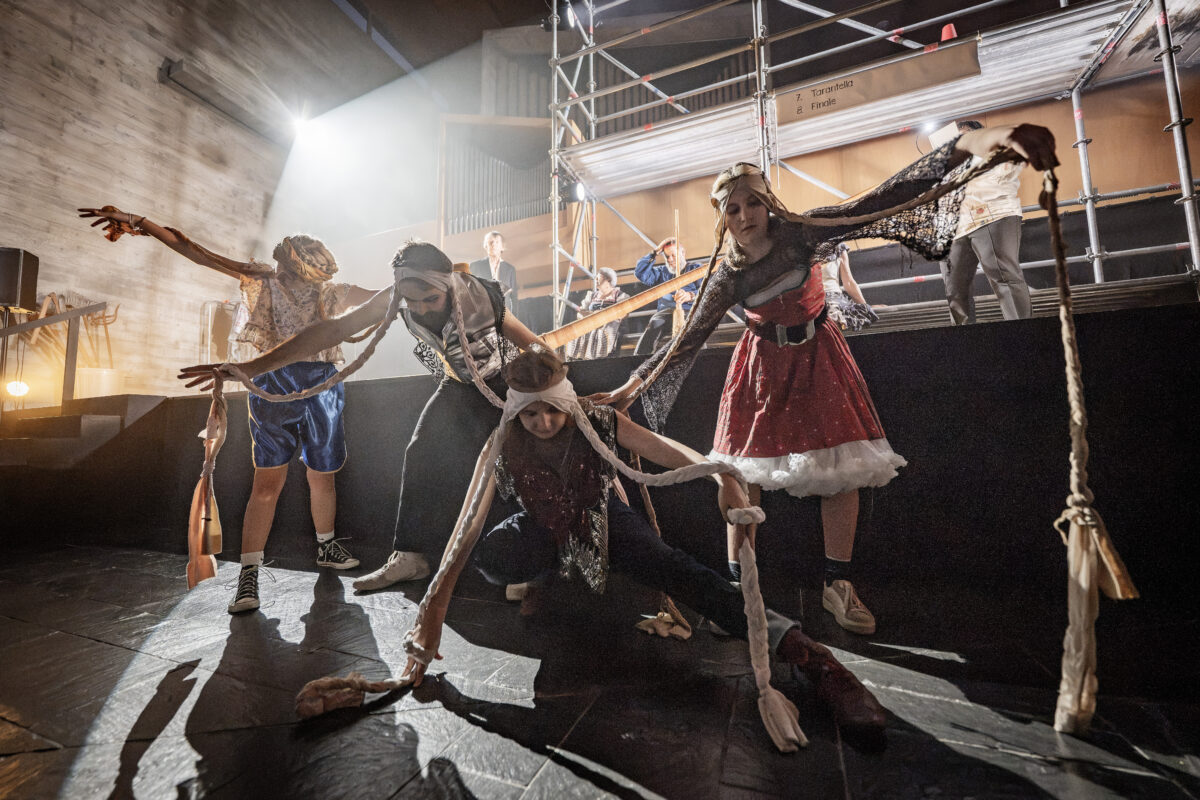
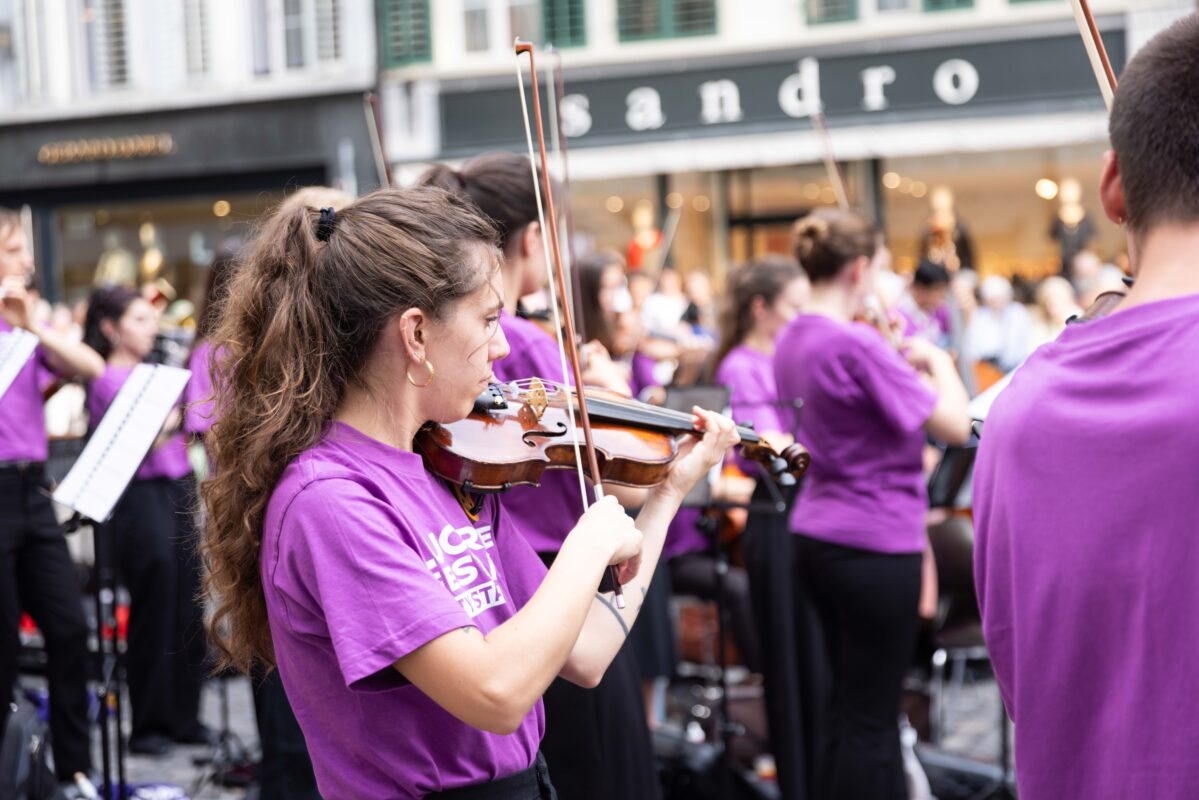
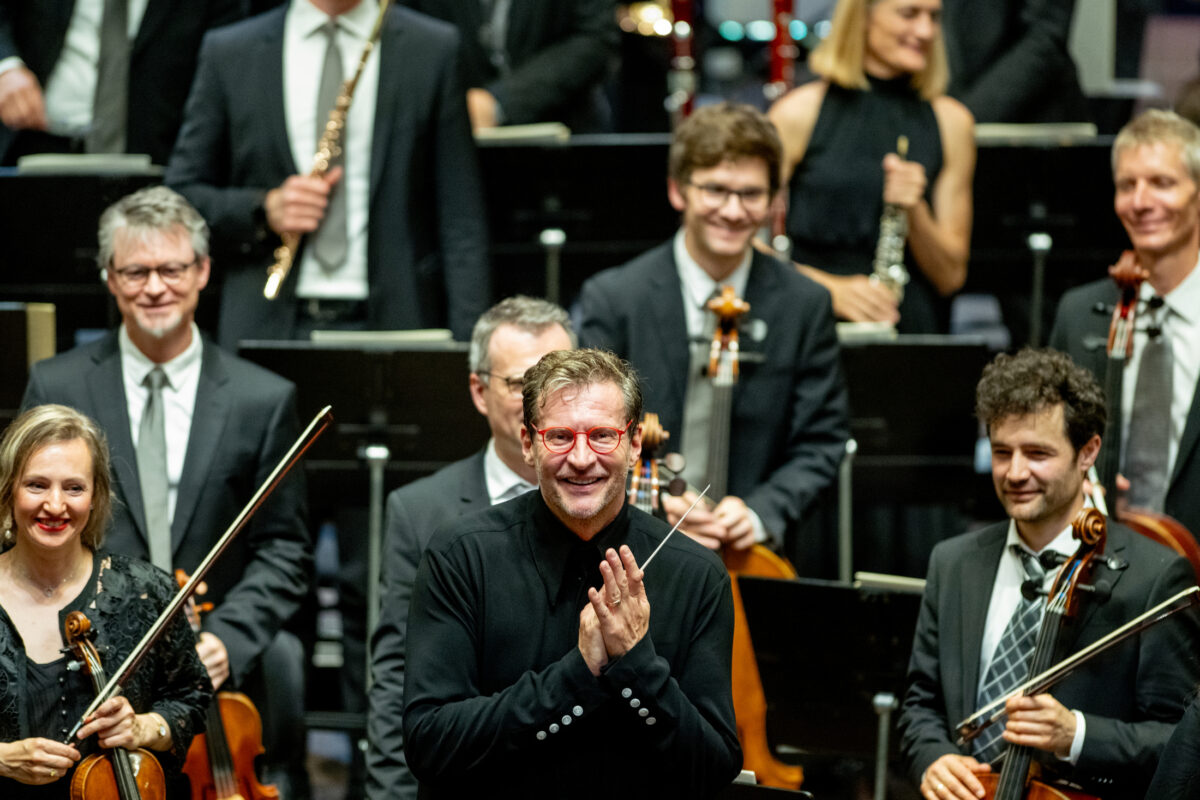
«The word Jerusalem contains both the Jewish word »Shalom« and the Arabic »Salam'. Both mean peace. At the festival, we don't want to divide the different cultures, but to come together through music. Jerusalem is a city that brings us together as a society," says Michal Lewkowicz, founder and artistic director of the Mizmorim chamber music festival in Basel. Almost all concerts, readings and guided tours at the twelfth edition, which was held under the motto "Jerusalem", were sold out. Renowned artists and ensembles such as the Gringolts Quartet, clarinettist Reto Bieri and flautist Ariel Zuckermann provided musical excellence. Young talents such as the Arola Quartet from Bern, which was only founded in 2024 and emerged from the masterclass that took place for the first time in November, were also discovered at the festival.
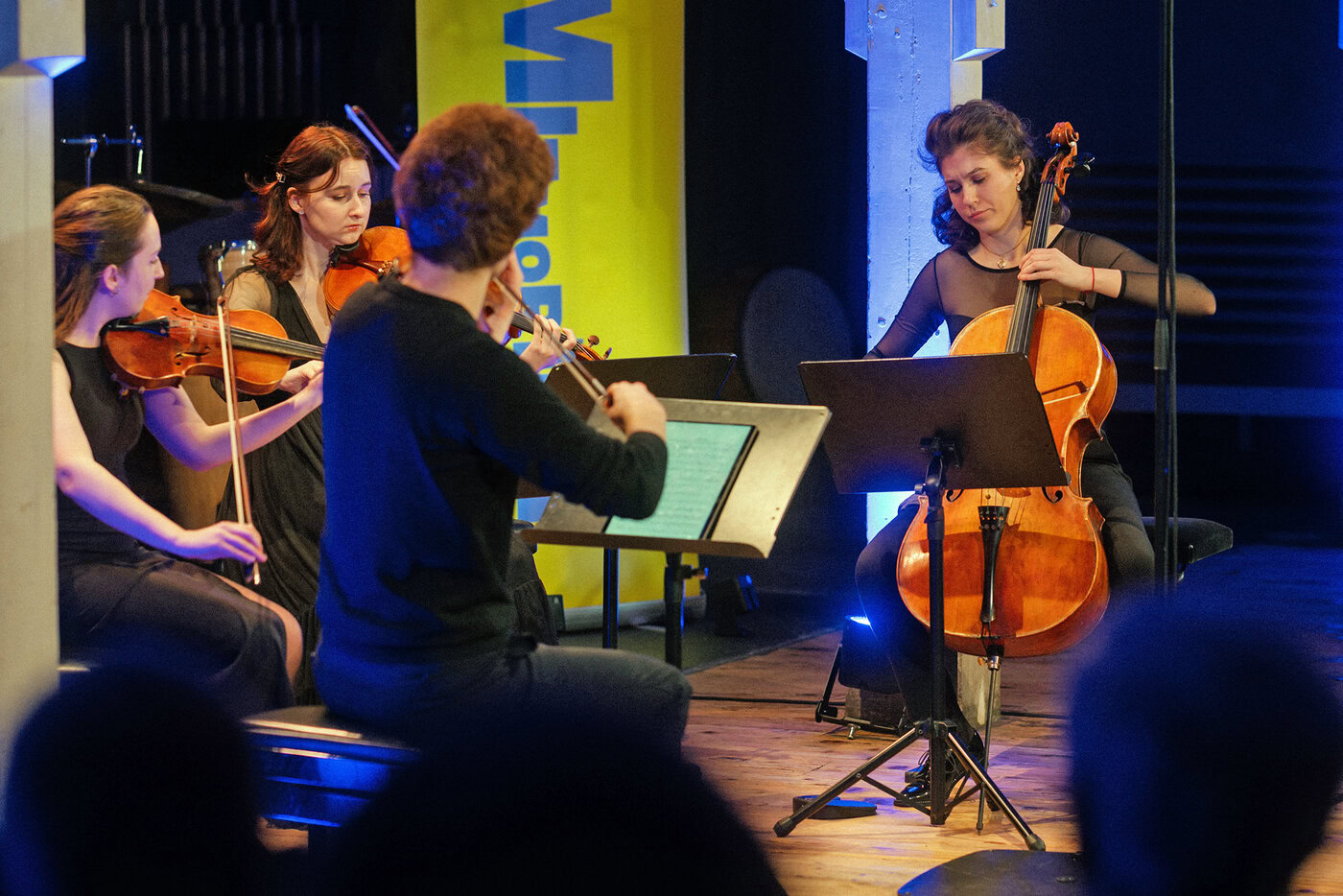
So almost all the events revolved around Jerusalem. Lukas Landmann gave an insight into the 5,500-year history of the city, which was conquered 34 times, at the Jewish Museum of Switzerland. Heidy Zimmermann showed the unpublished composition created in 1967 at the Paul Sacher Foundation Jerusalem for solo singer, narrator, two choirs and orchestra by Roman Haubenstock-Ramati. The vocal ensemble Voces Suaves dedicated its program «Wenn ich Dein vergesse ...» psalm settings from the Renaissance to the present day, which the Israeli-Palestinian oud player Taiseer Elias juxtaposed with Arabic melodies in his solos. The opening concert «The Ties that Bind us» by David Krakauer (clarinet) and Kathleen Tagg (piano) already featured jazz and klezmer echoes with November 22 a work by the Syrian composer Kinan Azmeh.
From Bach to Feldman
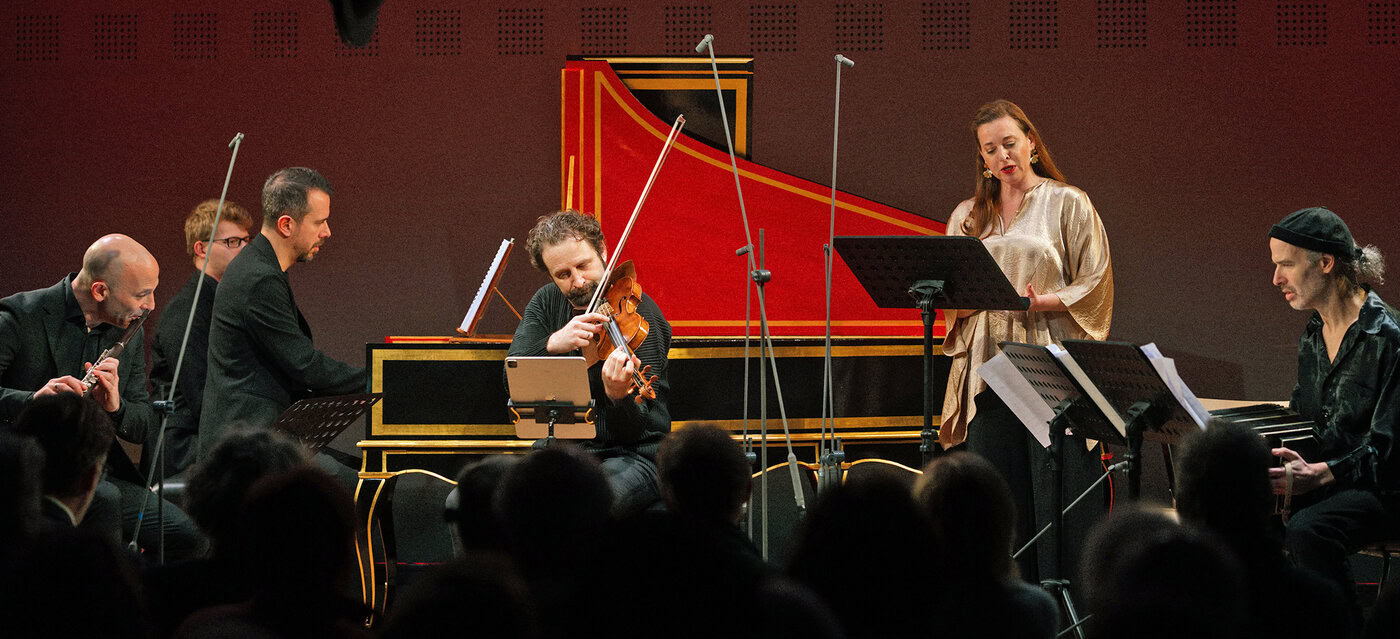
The concert «Yerushalayim shel zahav» at the SRF Studio Basel combined western music by Johann Sebastian and Carl Philipp Emanuel Bach with seven very different Jerusalem songs sung expressively by Hila Baggio, which showed the breadth of Judaism and its music: from Sephardic to Hasidic, from Yiddish to Yemenite. Marcelo Nisinman has written exciting arrangements for flute (Ariel Zuckermann), violin (Ilya Gringolts), harpsichord (Francesco Corti) and himself on bandoneon, which give each of the songs its own color.
Yerushalayim shel zahav in slow triple time, which became internationally known through the Israeli singer Ofra Haza, loses pathos in Nisinman's version and gains in complexity. His The silent wall The portrait of the city commissioned by the festival is surprisingly worldly and sounds like tango and joie de vivre. And conveys a good impression of the city's vibrancy and multiculturalism, which is the subject of lively discussion afterwards in the foyer over hummus, pita and beer.
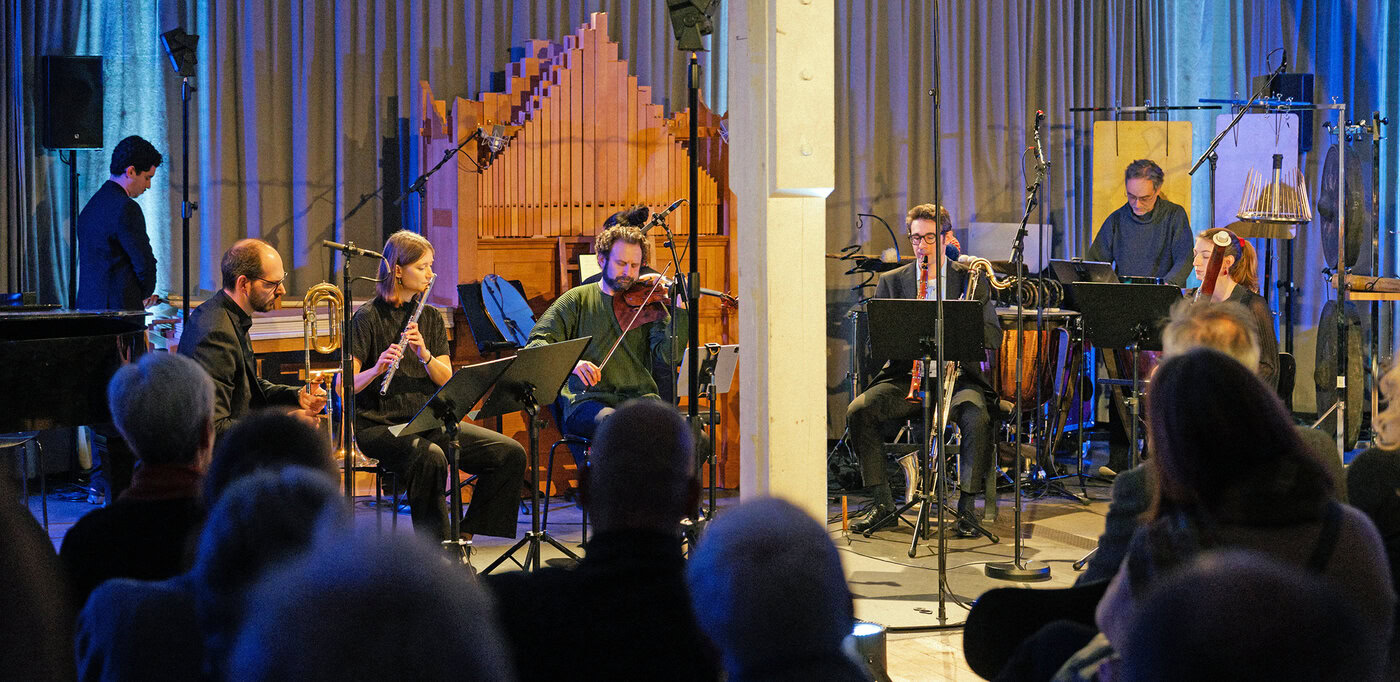
Two concerts were dedicated to the Jewish American composer Morton Feldman, who would have been 100 years old on January 12. On the late-night date, the half-hour Why patterns? for flute, glockenspiel and piano (1978) on the program. Deep flute tones (Anja Clift) meet high, warm piano sounds (Dmitry Batalov). Christian Dierstein joins the lines on the glockenspiel. This is very tender, intimate music that makes time stand still and turns simple changes of tone into events. The closing concert «Jerusalem Syndrome» with the Mizmorim Festival Ensemble, which featured a number of Swiss premieres, spanned an arc in the Ackermannshof from the Jewish composer Stefan Wolpe (1902-1972), who fled Nazi Germany to the USA, to the Israeli Palestinian Samir Odeh-Tamimi, who lives in Germany and whose trio Li-Umm-Kámel combines Arabic music with European compositional traditions. Another intercultural encounter at this festival.
Radio SRF 2 Kultur will present a cross-section of the program of this year's Mizmorim Festival on 19.3.2026 from 8 to 10 pm in the program «Im Konzertsaal».