The desperate desire for the apocalypse
The Zurich Opera House presents «Monster's Paradise». Together with Elfriede Jelinek, the Austrian Olga Neuwirth has created a highly topical opera in which she unleashes the monsters of the present on each other.




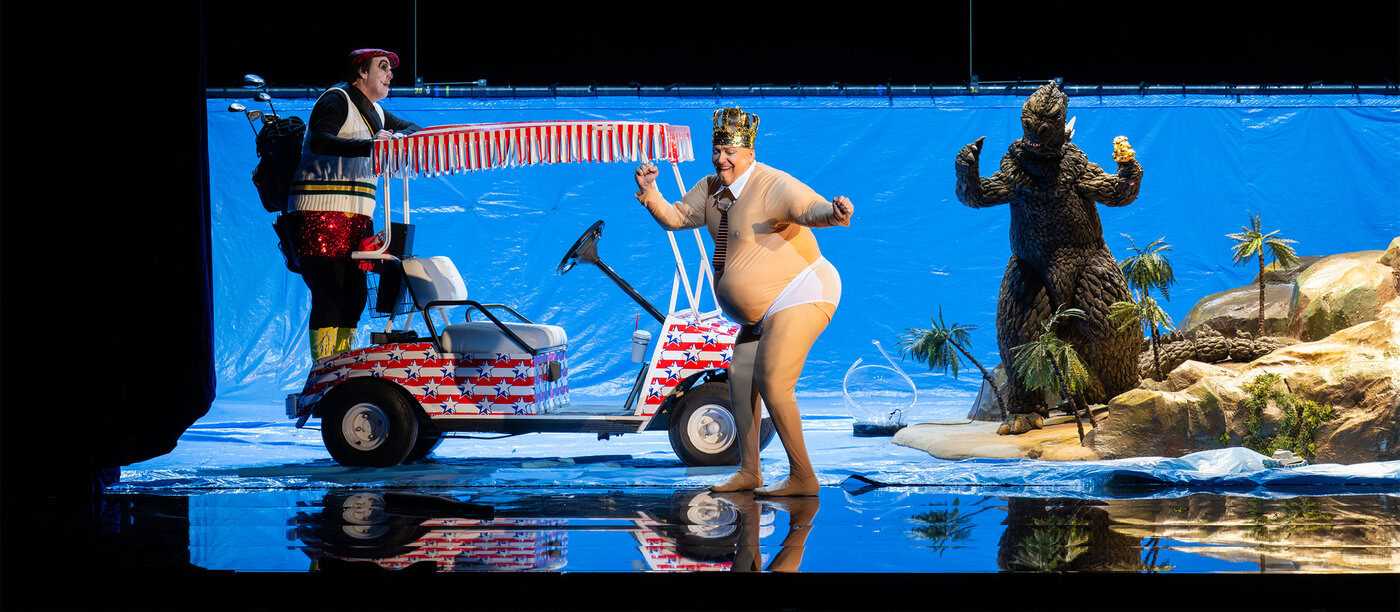
The Grand Guignol, this pompous Punch and Judy show from France, tends towards the monstrous, the unreal and the surreal, although it has long since been overtaken and overtaken by reality. The Théâtre du Grand Guignol in Pigalle, which opened in 1897 and shocked audiences with torture, rape and bloody murder, closed on January 5, 1963 on the grounds that it could not compete with Buchenwald. Art does not come close to reality. The two artists who have now created a new «Grand Guignol Opéra» are well aware of this.
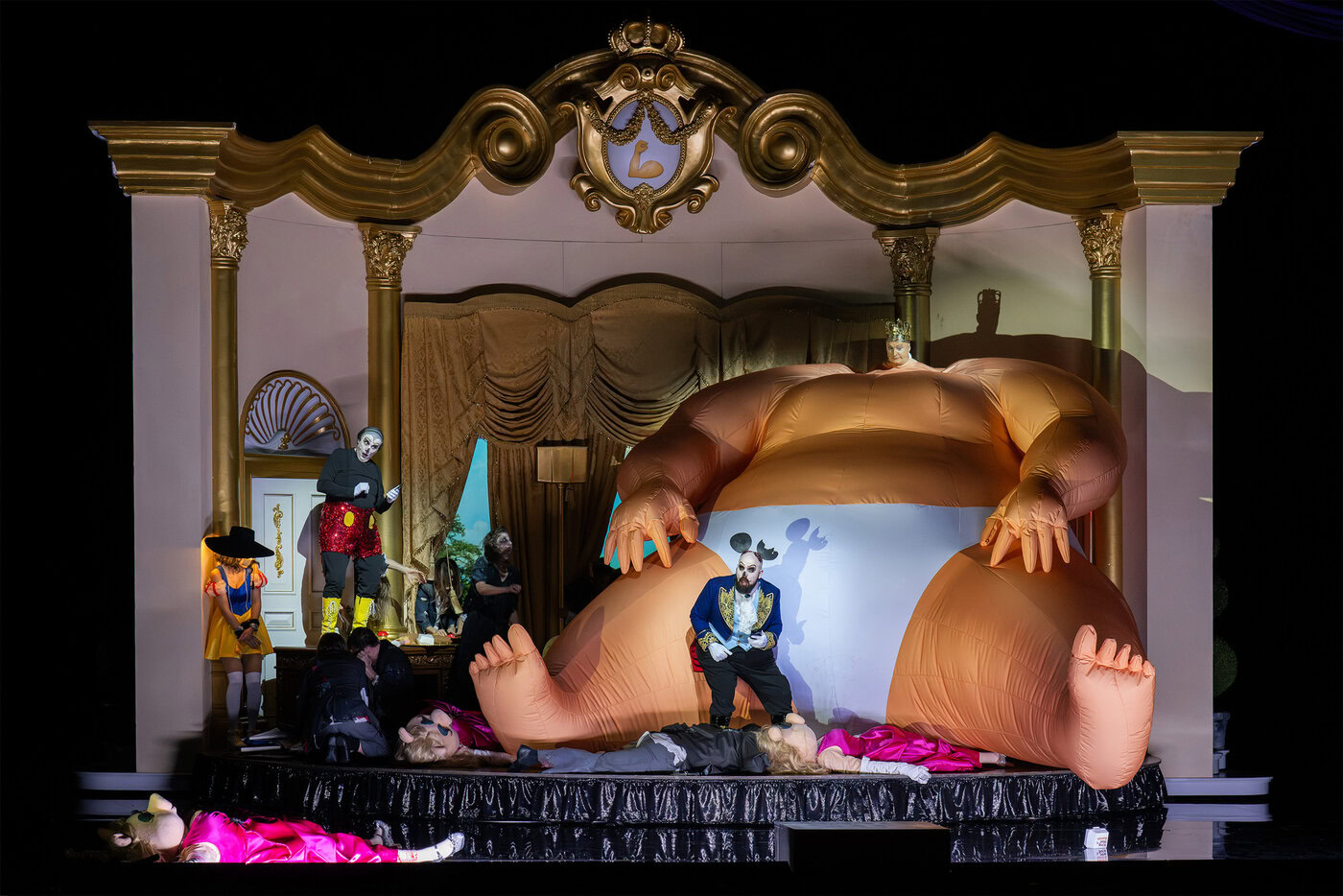
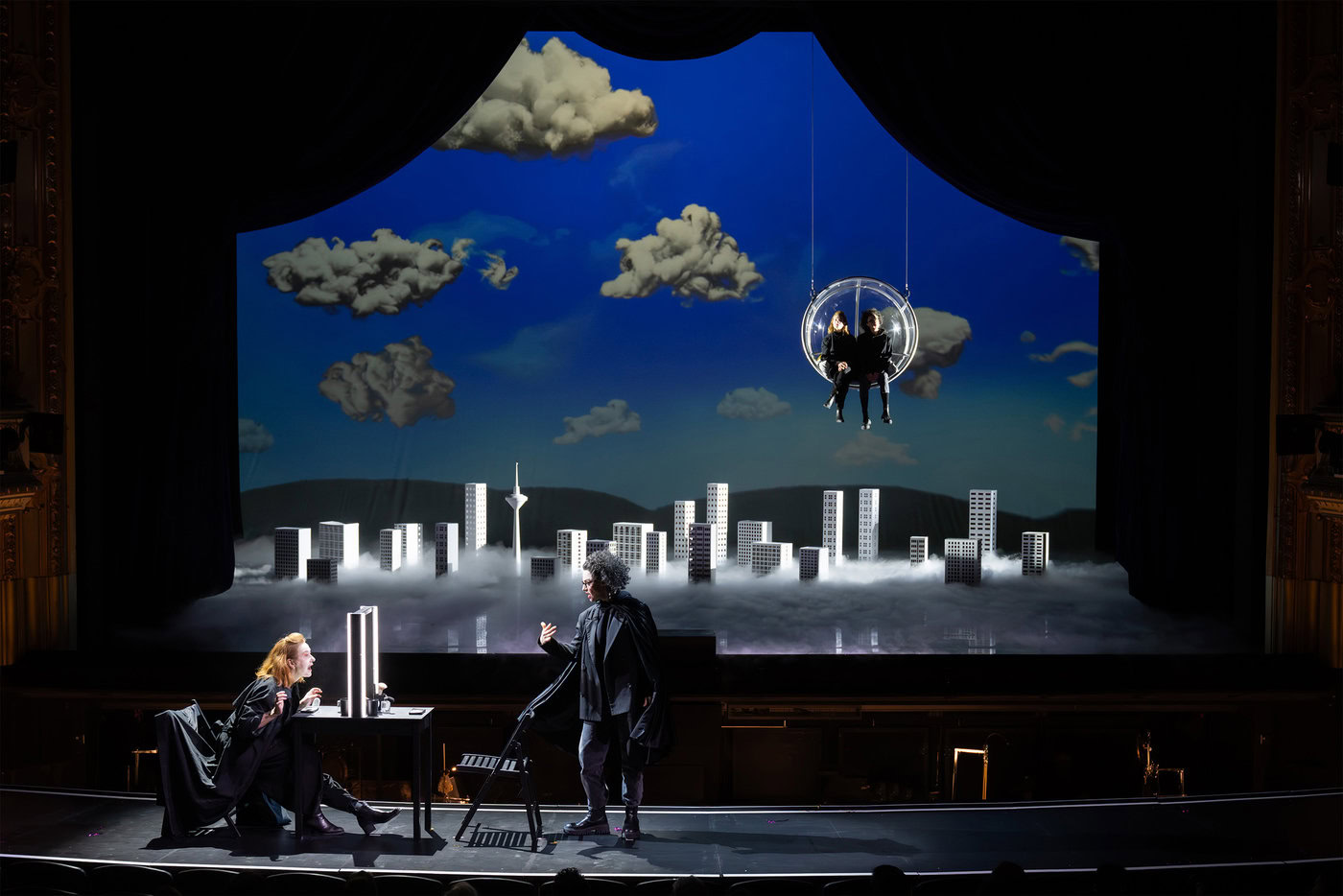
Their starting point is the futility of the enterprise; nevertheless, they try and send two vampiresses in their own image out into the world: to perhaps save it after all or at least eliminate the worst tyrant, a «king-president» whose real-life likeness we see on the news every day. They fail miserably; the president, after all, is eaten by another monster, the resurrected Gorgonzilla. However, the end of the world cannot be stopped in this way; a deluge sweeps everything away. At the end, we see the two vampires, playing Schubert's F minor Fantasy on a Bösendorfer, sailing towards the sunset in the ocean.
Gap between text and music
The opera Monster's Paradise, which premiered at the Hamburg State Opera on February 1st and is now being shown in Zurich, takes us on a lustfully apocalyptic ghost train into the abyss. With lots of spectacle and flailing. This makes the dystopia fun. The artistic abysses lurk elsewhere: not in the monstrous, of which there could certainly be a little more, but in the theatrical pace, which is often slowed down by resignation and well-intentioned statements. «We are no longer in demand,» sings one vampire right at the beginning. «Come to me, all who are peaceful and want to stay that way!» are Gorgonzilla's first words. This is not the way to make exciting and aggressive art. But you immediately wonder whether that's what the two authors want at all, whether they're not allowing us to be led astray.
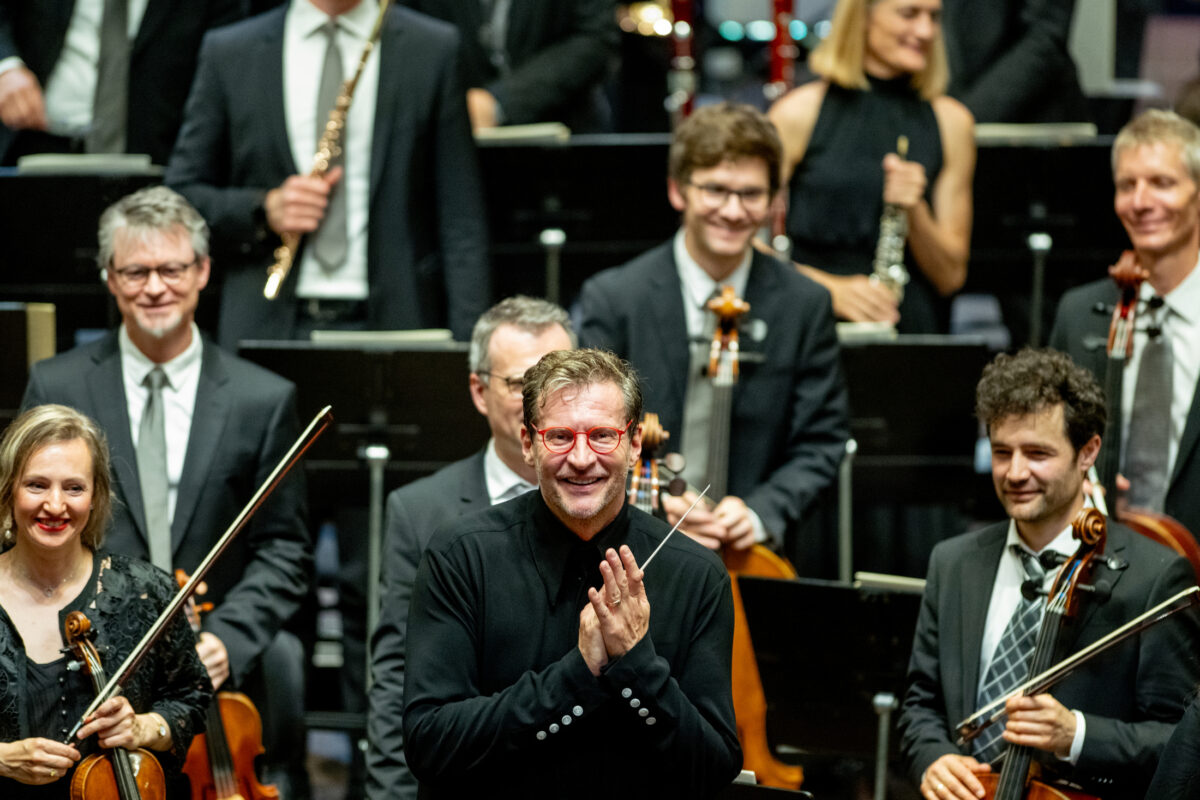
The composer Olga Neuwirth came up with the idea for this musical theater; she managed to persuade her long-time librettist, her friend Elfriede Jelinek, who had long been weary of opera, to write a joint text. But it is precisely with this text that there is a problem. He rambles and lectures, rambling, sometimes lecturing, sometimes sarcastic, sometimes flat. The words block. The first scene, for example, doesn't get off the ground. One may concede that such platitude is part of the genre, as an anti-quality that counteracts good taste. However, the music sounds far too rich, lively, refined, colorful, jazzy-drivish, funny. The orchestra of the opera house under Titus Engel plays thrillingly.
Long and cumbersome like the end of the world
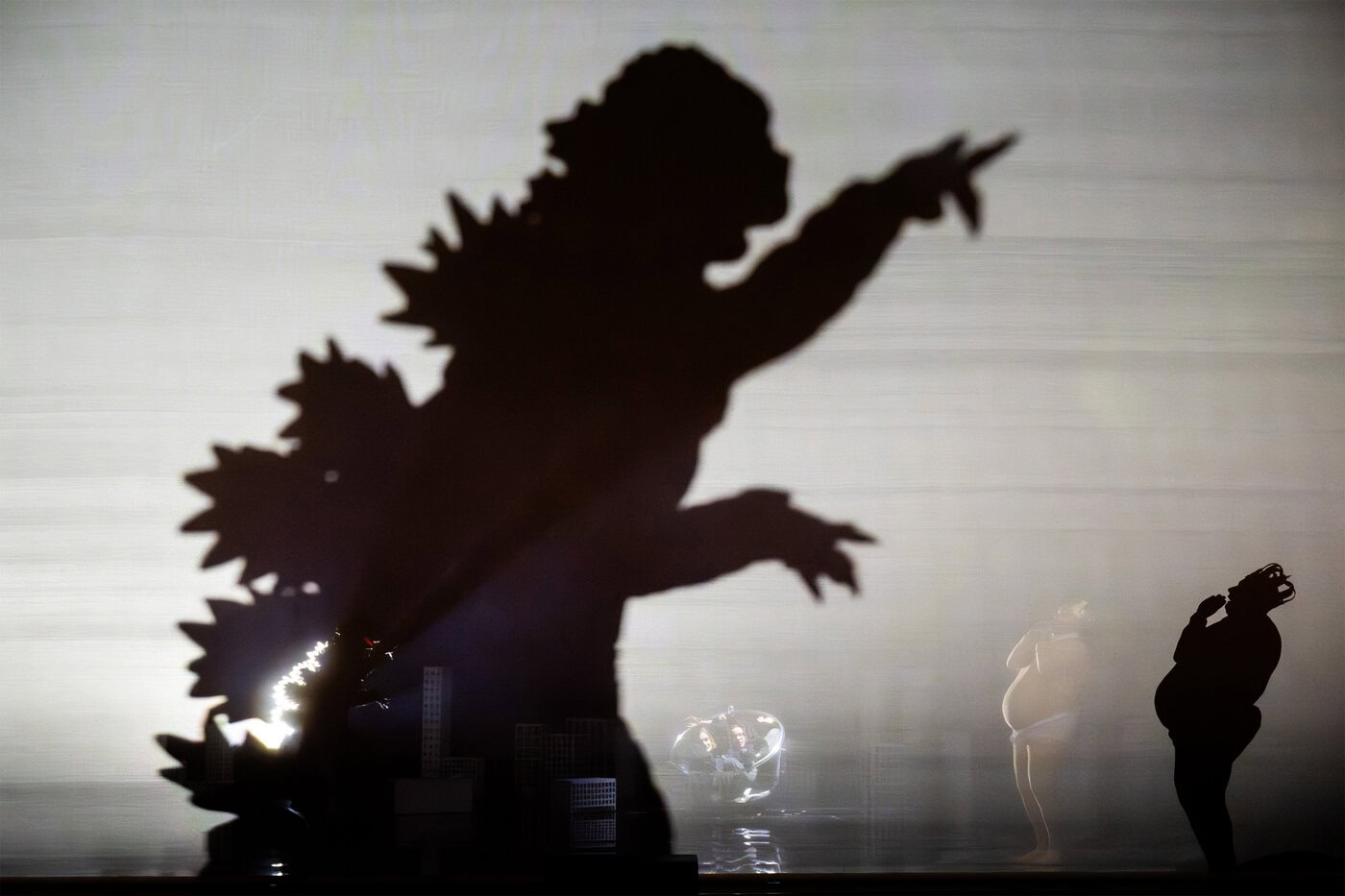
As a result, the levels often drift apart. Added to this is the colorful and yet sometimes unimaginative scenic design. Director Tobias Kratzer and his team sometimes struggle to get the banter going, but they manage to create magnificent images at the climaxes. The battle of the monsters with Gorgonzilla (Anna Clementi) and the President (excellent: Georg Nigl) becomes a larger-than-life shadow theater. The final scene in the sea floods the eye and ear thanks to the skillfully employed cinematic means that Neuwirth loves so much. There is so much to experience, almost too much, because all the scenes, even the really successful ones, are too long and too cumbersome. The play could be cut down by a good third. The only thing that would be lost would be the precarious non-quality that characterizes the work to some extent.
But at this moment, the critic begins to suspect that he is once again trying to differentiate far too much and is losing sight of the end of the world. That may be. - Big (not monstrous) applause.
Zurich, Opera House; Premiere on March 8, 2026; co-production with Hamburg and Graz. Further performances until April 12