Trade in pernambuco wood is not banned
At the 20th Conference on International Trade in Endangered Species of Wild Fauna and Flora (CITES), Brazil's proposals to completely ban the trade and transportation of pernambuco wood failed to pass.




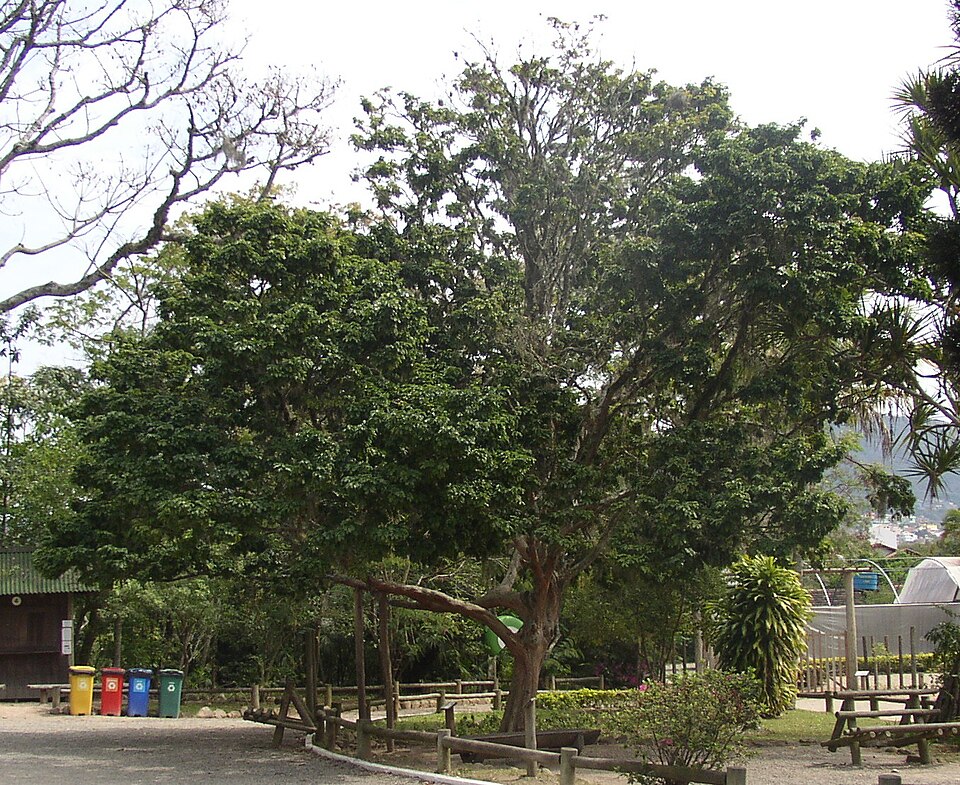
Pernambuco wood has been used to make bows since around 1750 and, according to bow makers, is virtually irreplaceable in violin making. Musicians feared having to obtain complicated special permits when traveling with pernambuco bows, which would have jeopardized tours.
The pernambuco tree, Brazil's national tree since 1978, was added to the country's official list of endangered plant species in 1992. In 2007, Brazil achieved its inclusion in Appendix II of the CITES Convention, with an exemption for finished products such as bows.
In proposing to list Pernambuco in Appendix I of CITES, Brazil emphasized that more than 90 percent of the harvested wood is discarded during the production process, as it is considered unsuitable for the production of professional bows due to strict quality standards. In addition, this wood is subject to extensive illegal trade, which increases the pressure on this tree, which only grows in the Brazilian Atlantic Rainforest, and undeniably threatens the species in an already very weakened ecosystem.
Pernambuco is therefore retained in Appendix II with a compromise text that provides for enhanced measures to better protect this species with a felling ban.