Gems from an Underrated Piano Work
When you think of Antonín Dvořák, solo piano pieces aren’t the first thing that comes to mind. Yet they are often enchanting. The new anthology *Easy Piano Pieces and Dances* brings together a selection of particularly lesser-known works.


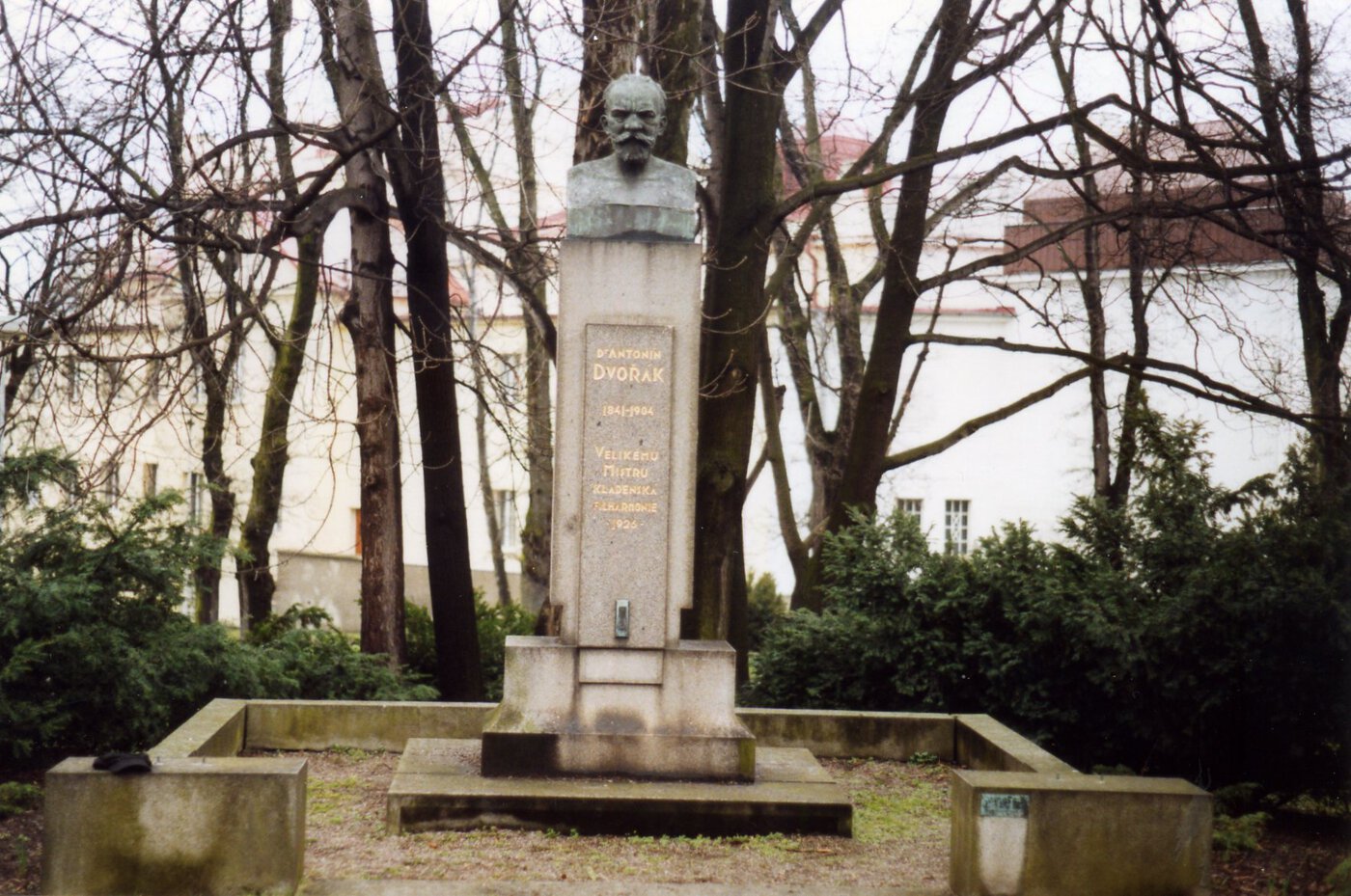
«Dvořák's piano works are usually neglected, as if they were not a fully-fledged part of his oeuvre,» writes Tomáš Víšek in the preface to his anthology Easy Piano Pieces and Dances, which was recently published by Bärenreiter Praha. He is undoubtedly right about that. For, unlike his chamber music, his works for solo piano are rarely featured on our concert programs.
What is the reason for this? Although Dvořák played the piano quite well, he hardly ever took advantage of the instrument’s specific capabilities. His piano writing is therefore often somewhat awkward. (Incidentally, this also applies to a large extent to his piano concerto!) Which is not to say that he would not have been capable of exploring the instrument’s sonic charms. And so the editor adds: «Nevertheless, many of Dvořák’s compositions can be played beautifully … and interpreted in such a way that their tonal or technical difficulties go unnoticed by the listener.»
Dvořák’s piano works are dominated by shorter pieces: dances, mood pieces, and humoresques. These also include, incidentally, the wonderful Silhouettes Op. 8. The only large-scale work appears to be Theme with Variations Op. 36. A selection of particularly obscure gems now forms the content of this edition. «Pieces that went virtually unnoticed because they were, so to speak, overshadowed by other works and rarely published.» Despite the simplicity of the musical invention, these sounds exude a remarkable magic. For Dvořák succeeds time and again in combining conventional chords in unconventional sequences in such a way that entirely new timbres and harmonies emerge. And he does this without the music ever losing its natural flow. It is precisely the Album Pages (No. 1) and the Lullaby (No. 8) provides compelling evidence of this.
Dvořák himself did not provide any fingering suggestions. Editor Tomáš Víšek took the trouble to include very detailed guidance. In doing so, he may have gone a bit overboard, as he occasionally places a number above every note. Otherwise, however, the score is very clear and immediately invites you to familiarize yourself with these little musical gems.
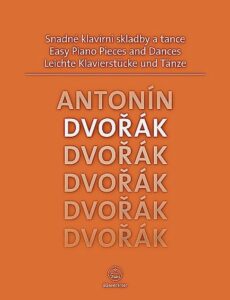
Antonín Dvořák: Easy Piano Pieces and Dances, ed. by Tomáš Víšek, BA 11584, €16.50, Bärenreiter, Prague