Classical:next 2026: Shaping the future of art music
This year's edition of the world's largest symposium for classical and contemporary music took place in Budapest. Swiss participation was marginal.




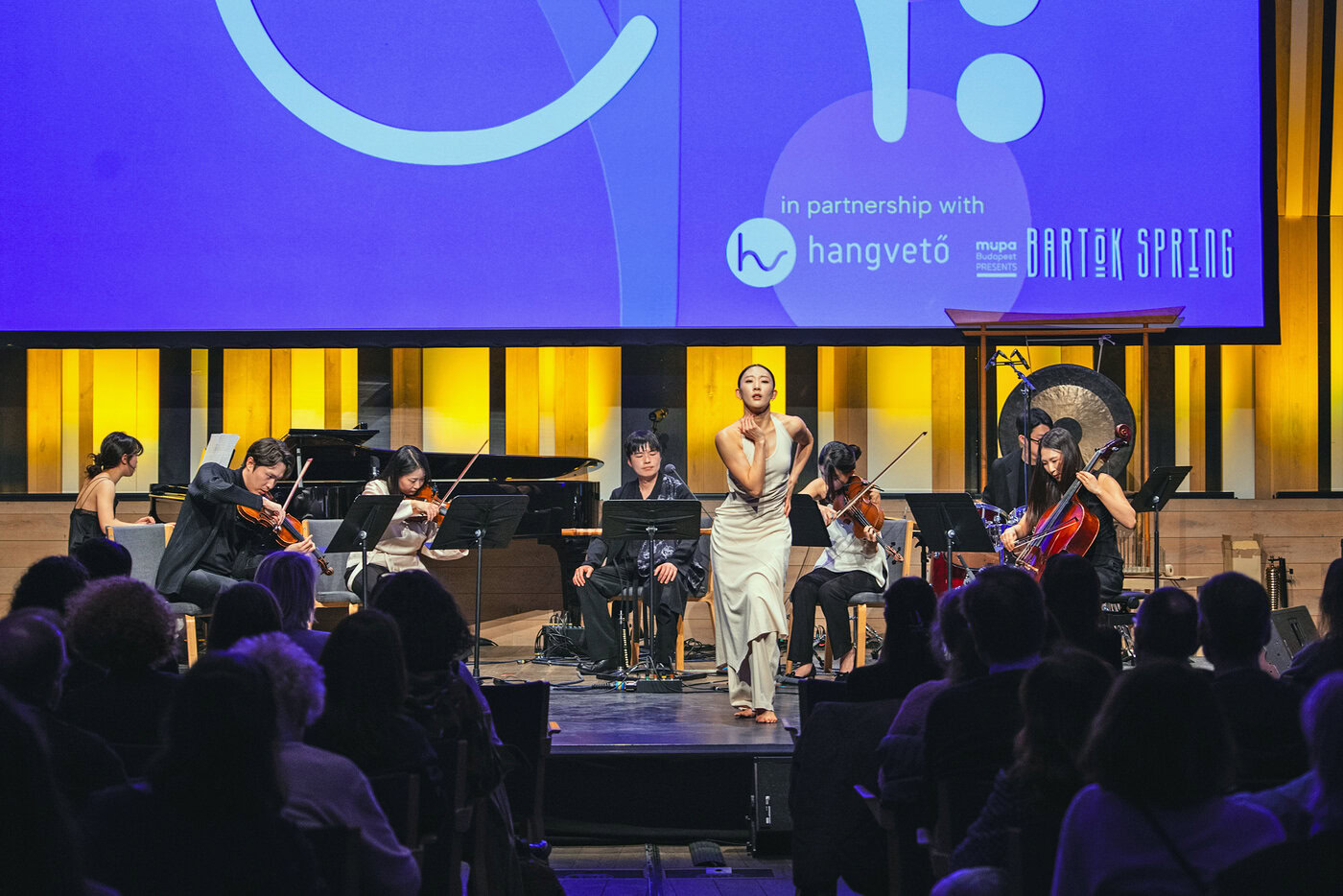
Shortly before a landmark election Sunday, around 900 cultural professionals from 49 countries gathered in Hungary's capital for the 13th Classical:next industry meeting. Under the motto «Shaping the future of art music», the conference, showcase festival and trade fair took place at central cultural venues - Millenáris, Liszt Academy, Budapest Music Center and House of Hungarian Music - from 8 to 11 April, co-organized by Hangvetö and the Bartók Spring International Arts Weeks.
At the Liszt Academy, Director Fabienne Krause opened an evening dedicated exclusively to Hungarian composers, from Liszt to Péter Eötvös. In the presence of György Kurtág, who has just turned 100, pianist Ildikó Rozsonits, among others, showed that classical modernism can make a hall vibrate. Conductor and composer Iván Fischer had already set the contextual framework with his opening address at midday: The concert ritual in its current form is not sustainable; what is needed is a reorientation towards the audience and truthfulness on stage.
How do you reach a dispersed audience?
The conference topics ranged from new music technologies and gender representation to wage models and sustainability. The debate about music journalism was particularly lively. «Who decides what matters?» asked moderator Olivia Brown (London). The attitude of the British Classical Music Magazine stood alongside the success of Stream track with around two million subscribers. Content creator and flautist Cinci Baglyas pleaded for «behind-the-scene» content as a means of combating barriers to access; Martin Andris (Elbphilharmonie) reported on a «creator in residence» - the outcome remains to be seen. Whether AI will bring new listeners to the music business remains uncertain. Anna Tiszolczi from the Budapest Festival Orchestra presented more concrete proposals for different audience segments: In addition to «cocoa concerts» for children, the «Midnight Music» format was a hit, lounge concerts for young people, expressly without parents, she said. Toks Dada (Southbank Centre) and Linda Begbie (Manchester Collective) encouraged people to take more risks: «When we do different things, different people will come.»
Award-winning technologies in the service of music
Three projects were honored with the Innovation Award 2026, focusing on new technologies: SOAVE (Stage Orchestra Audio Video Experience, Italy) uses virtual reality to immerse the audience in a symphony concert from different orchestral perspectives. The Borealis Festival (Norway) uses technological aids to create new physical listening experiences that go beyond conventional concert formats. Playing With Fire: An Immersive Odyssey (France) invites you to an intimate virtual encounter with the pianist as a mixed reality concert with Yuja Wang - realized by Vive Arts and the Philharmonie de Paris.
Hoping for broader Swiss participation
As the only Swiss contribution among 69 artists from 15 countries, the crossover project «Charles River» by Basel percussionist Florian Arbenz impressed the audience with a program based around songs by Charles Ives. Singers Anna Juniki and Immy Churchill brought melancholy poetry to the stage with the contrast of classical and jazz vocals; the eight-piece ensemble effortlessly filled the hall of the Budapest Music Center.
Nevertheless, some Swiss providers made new contacts at the trade fair. 2027 offers an opportunity for more presence: as part of the Polish Capital of Culture program, Classical:next will take place from 11 to 14 May 2027 in Katowice, a UNESCO City of Music with a lively orchestral landscape. Swiss music export, please make a note!
Info: classicalnext.com