Mazurkas of the 21st century
Thomas Fortmann has written three pieces of this traditional genre, which spread a lot of joy in playing, but also allow dark sounds to be heard.




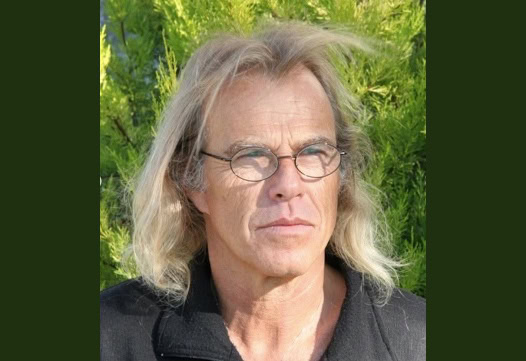
Thomas Fortmann is a very unusual composer and his career is also unusual. Born in 1951 in the canton of Bern as the son of soprano Greta Saar and entrepreneur Rudolf Fortmann, he wrote his first pop/rock hit at the age of 17, which was released in many countries. In the following years, over 100 titles were released on various international labels. He also composed the music for the musical Tell!, in which Udo Lindenberg played the leading role. Apparently he then felt the desire to reinvent himself. In any case, at the age of 26 he turned to studying classical music and went on to compose mainly chamber music, but also two symphonies, an oratorio, songs and several stage works.
From lively to deeply dark
One of his most recent compositions is the Three mazurkas‚ which were recently published by Edition Kunzelmann. The first with the Polish title Mazurek dla Anny is a lively piece that is full of joyful playing and sounds like a free-tonal development of Karol Szymanowski's Mazurkas. In the Mazurek dla Arii‚, the second piece of the triptych, alternates meditative passages with slightly upbeat ones. Overall, a lyrical note dominates. What is striking here are the sometimes extremely low pianissimo registers, which make the piano sound like a murmur from a hidden underworld. The third Mazurka, Mazurek dla Arianki, initially leads us back to the joy of playing of the first. As the work progresses, however, the dark colors reappear and lead to a surprisingly clear tonal climax (Allargando). On the last pages, the two other mazurkas are also quoted, in part quite literally. The ending, which fades away in the most delicate pianissimo, is impressive!
The three pieces lie quite well in the fingers. Only in the last one are there some virtuoso passages. It is not the harmony that takes some getting used to, but sometimes the way in which Fortmann notates chords. For example, in the third mazurka at bar 23: this is quite obviously a pure A flat major chord. Why the «g sharp» in the bass? I'm sure Thomas Fortmann would have an original answer to that ...
The Three mazurkas were recorded on CD by the client Anna Kijanowska (21st Mazurkas, Dux Recording Producers), with brilliance and a great deal of empathy.
Thomas Fortmann: Three Mazurkas, MS-2631, Fr. 24.00, Müller & Schade/Edition Kunzelmann, Adliswil