The man from Eastern Switzerland who shook up Zurich's choral scene

Karl Scheuber (1943–2026) was known to the general public as the director of the Zurich Gay Men’s Choir. However, his contributions to the music world extend far beyond that. An obituary.

Karl Scheuber (1943–2026). Photo: Kaspar Ruoff

How different that choral sound was: fresher, more transparent, more modern! Certainly, back then—in the late 1970s—Zurich had a rich and thriving choral scene with accomplished conductors and a substantial repertoire. However, this scene changed only slightly. So what the Zürcher Singkreis brought to the Engadiner Kantorei under Karl Scheuber—often augmented by students from the Küsnacht Seminary, where Scheuber taught—seemed innovative. There was a strong commitment to contemporary music. Younger composers also wrote for choir, and they found reliable performers here. Leading the way was the aforementioned Karl Scheuber, who hailed from the «provinces» of eastern Switzerland.

What made the difference? Perhaps the fact that Scheuber did not come from a background in church music and did not hold a position as an organist, as so many choir directors do. He operated less from a religious context than from a generally humanistic one. I remember a harrowing performance of Othmar Schoeck’s anti-war piece Drumbeats under his direction at the Tonhalle. Choral music was, for him, a topic of current interest.

«Carletto,» Destined for Greater Things»

Born on August 11, 1943, in Amriswil, Canton Thurgau, he grew up in Hefenhofen in a musical family; his siblings played instruments. That laid the foundation. Early on, a teacher predicted that Karl—known as «Carletto»—would pursue a career in music. In Winterthur, Zurich, and Herford, he studied piano, school music, and church music: the ideal combination for later working as a choir director. In 1967, he founded the Zurich Singing Circle of the Engadiner Kantorei, which grew out of his work with the Laudinella St. Moritz. That laid the foundation for the performance of contemporary music.

«From the very beginning, I wanted to create a wide, diverse range of music—centered on classical music, but covering a broad spectrum,» he later said. For this achievement alone, he earned the recognition that led to his being awarded the Golden Medal of Honor of the Canton of Zurich in 2001. In addition, he had served as artistic director of the «Musikpodium der Stadt Zürich» since 1989 and had taken on other responsibilities.

«Karl Scheuber has played a major role in shaping Zurich’s musical life in recent years,» the cantonal government stated in its rationale. He is «now one of the most highly regarded choral conductors in Switzerland.» He is a cultural ambassador in two senses: as a conductor who, in addition to well-known works, consistently introduces the audience to musical rarities and compositions by contemporary Swiss composers, but also as a music educator who is able to recognize the talent of aspiring school musicians, choristers, and conductors and is exceptionally skilled at honing their appreciation for vocal music.”

Diversity, Commitment, and Originality

«Diversity, commitment, and originality» characterized his artistic career. For him, however, «diversity» also refers to what we call «diversity» today. After experiencing a gay men’s choir from Cologne at Christopher Street Day in Zurich, Karl Scheuber founded his own ensemble in 1990: the Zurich Gay Men’s Choir, known as “Schmaz,” a pioneering ensemble.

That was an initial spark with far-reaching consequences: What was originally planned to be two years at the helm of the choir turned into twenty-two—a life’s work—and a formative one at that, for Scheuber made it a point that the choir not only perform in the clubs of the gay subculture but also in major concert halls, such as the Tonhalle in Zurich, as well as on major stages, on the radio, and on television. Sometimes a stir would go through the audience when the «Schmaz» was unexpectedly announced. Such appearances were not yet commonplace, and they sometimes required courage on the part of the choristers. Yet they earned the choir respect and an audience—a musical audience, that is—because the choir’s sound and repertoire were, in turn, refreshingly innovative.

Directing the «Schmaz» and the Zurich Singing Circle of the Engadiner Kantorei were two of Scheuber’s main activities, but there is much more that could be mentioned. He served as an educator at the Küsnacht Teacher Training College and as a lecturer and department head at the Zurich University of the Arts. Many musicians speak of the inspiration and encouragement he gave them. He directed the vocal ensemble Cantapella, the Psychor, and the vocal ensemble Consonans, and provided coaching in choral conducting. In recent years, he directed the Sydefädeli retirement home choir and the Schwamendingen ecumenical senior choir. An active musical life. After suffering a stroke in January, he never fully recovered. Karl Scheuber passed away in Zurich on October 25.


 

What plans does the new owner of Radio Swiss Classic have?

Do Swiss musicians have reason to fear for their visibility now that SRG has sold Radio Swiss Classic and Radio Swiss Jazz? In this interview, Thomas Gilgen, head of the new owner, Digris AG, addresses the music scene’s concerns.

The SRG headquarters in Leutschenbach: Thanks to access to the SRF archive, the station will be able to continue playing 50 percent Swiss music in the future, says Digris CEO Thomas Gilgen. Photo: Courtesy of the publisher

The announcement in September caused quite a stir: SRG is selling its three so-called satellite radio stations. Radio Swiss Classic and Radio Swiss Jazz are going to the Zurich-based company Digris AG, while Radio Swiss Pop is being acquired by the CH-Media Group. SRG argues that, as stations dedicated solely to music, the three stations did not fall within the scope of its license mandate. The music community reacted critically. Sonart, the association of Swiss musicians, was particularly skeptical. There are fears that the sale of the stations could jeopardize the visibility and revenue streams of Swiss musicians. Currently, the stations are required to play at least 50 percent Swiss music. While this requirement also applies to the new owners, it is only in effect for a period of two years.

So what’s next for Radio Swiss Classic and Radio Swiss Jazz? We asked Thomas Gilgen, the CEO of Digris AG.


Mr. Gilgen, many people aren't familiar with you or Digris yet. Who are you, and what do you do?

We are a licensed network operator. We broadcast local DAB radio stations in Switzerland, as well as in the United Kingdom and France.

You are now the owner of Radio Swiss Classic and Radio Swiss Jazz. What experience do you have as a radio producer?

Our roots lie in Zurich’s music and cultural scene. In the 2000s, we founded the radio station Open Broadcast, which still has its own editorial team. So we have a lot of experience, including in curating music programs. Our music director previously spent over 20 years shaping the musical identity of Radio Nova.

Thomas Gilgen. Photo: Courtesy of the source

But first and foremost, are you a network operator?

That wasn’t part of the plan—it just happened. We originally broadcast Radio Open Broadcast through an external DAB network operator, who charged a great deal of money for the service. That led us, 13 years ago, to develop our own technology for DAB broadcasting. This allowed us to drastically reduce the associated costs, from 250,000 to 10,000 Swiss francs annually. Thanks to a federal broadcasting license, we have since been able to offer airtime to numerous internet and cable radio stations on affordable terms. Our network operations have evolved into a business model that allows us to cross-subsidize our radio station—as a labor of love, so to speak.

Let's talk about your new acquisitions. What sparked your interest in these two stations?

In early 2026, I learned that SRG was once again trying to sell its satellite transmitters, with the condition, among other things, that DAB coverage be provided throughout Switzerland. I thought to myself: That’s so expensive, no one can afford it—unless they’re a network operator themselves. That’s when I began to look more closely at the project. A whole new world opened up to me when I analyzed the listener connection logs. Only about 15 percent of these stations’ listeners are from Switzerland. The rest are spread across 183 countries worldwide, primarily in major cities ranging from Milan to New York to Moscow. It’s incredibly exciting to see what’s been built there.

50 percent of the music played must have a Swiss connection. It’s really interesting that this appeals to an international audience…

I suspect it has to do with the concept: pure music, without any hosting, broadcast via satellite. When the station launched in 1998, that was very innovative.

We were also interested in Radio Swiss Pop. However, CH Media ended up winning the bid.

You have agreed with SRG to keep the purchase price confidential. Do you know if there were any other prospective buyers?

In reality, only the big players—namely Ringier or CH Media—were in the running. I knew that, as a network operator, we were in a strong position. In Ticino, for example, we’re the only ones besides SRG offering DAB broadcasting. Our DAB coverage is only 83 percent nationwide, compared to the SRG’s 99 percent. But with Switzerland’s good internet connections, that should be offset.

Radio Swiss Pop was also up for sale. Why didn't you acquire that station as well?

You'll have to ask SRG about that. We were also interested in Radio Swiss Pop, but CH Media ended up winning the bid.

You now face the challenge of turning a classical music station and a jazz station into profitable ventures. Should listeners brace themselves for commercial breaks?

No. That kind of model wouldn’t work for these stations. We would lose institutional users—banks, shopping centers—in particular if we included commercial breaks. One potential source of revenue is display ads on DAB+ receivers equipped for this purpose, such as car or kitchen radios. This form of advertising does not interfere with the listening experience and has been in use for years. In the digital realm, there are other options, such as banner ads or pre-roll ads: a short commercial that plays when the stream starts, before the radio program begins. Aggregators like TuneIn already use this type of advertising on Swiss Jazz and Swiss Classic. The current program is not interrupted in the process.

The people who listen to Swiss Classic and Swiss Jazz are those with high purchasing power.

Besides advertising, what else could bring you money?

Higher quality. I could imagine that listeners would be willing to pay for a higher audio bandwidth. Or for additional services, such as an archive of their personal favorite tracks. The people who listen to Swiss Classic and Swiss Jazz have high purchasing power. We know this based on the devices they use to listen to the stations. Sponsorship partnerships are also a possibility.

They are required to continue playing 50 percent music with a Swiss connection—but only for the next two years. The music scene is concerned about this relatively short timeframe.

We didn't set this deadline, nor did we negotiate it. However, a two-year commitment isn't exactly a short-term commitment when you're buying a product. But it doesn't bother us.

Do you understand the concerns that Swiss productions might become less prevalent over the long term?

I didn’t expect the sale to cause such a stir. But these fears are completely unfounded. Since we can draw on content from the SRF archive, we’re guaranteed to meet the 50 percent quota at all times. In the long term, an increase is even conceivable—not in linear programming, but through innovative secondary channels. Why not a Spotify-like service featuring 100 percent Swiss music? But we’re not quite there yet.

We've decided to disable satellite broadcasting for the time being, since almost everyone has internet access these days.

Do you have any plans for the satellite channels that you can already share?

Yes, speaking of satellite channels: We've decided to disable satellite broadcasting for now, since almost everyone has internet access these days. If we receive any complaints, we'll turn it back on.

What does the future hold for the employees of the two stations?

There are three people. We'd like to hire them. Their musical knowledge and experience shape both stations and would be of great value to us.

Do you have to move?

You currently work in the greater Basel area. The new headquarters will be here in Zurich. However, we’ve long since set up our technology in such a way that radio production can also be done from home.

Are there plans for synergies with Radio Open Broadcast?

Only from a technical standpoint, not an editorial one.

Finally: What is your personal connection to music? Do you play an instrument?

No. I can't read sheet music anymore either. But I listen to a lot of music—especially classical music when I'm driving. And we often feature jazz on Open Broadcast anyway. So I know my way around it.

The Almost-Forgotten Soprano Pioneer from Thurgau

Emilie Herzog from Ermatingen sang at the Berlin Court Opera for 21 years. After more than a century, her estate has resurfaced—and with it, a resource that is virtually unparalleled among singers of her generation.

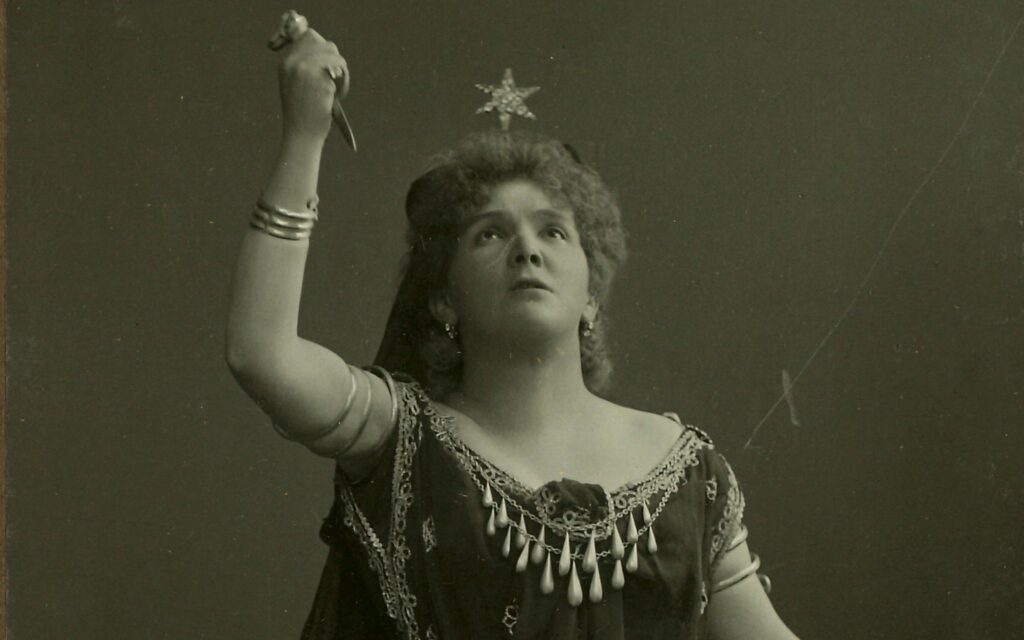
Emilie Herzog in her signature role as the Queen of the Night. Photo: Atelier Victoria, Paul Gericke, Berlin, Emilie Herzog Estate, R. Knöpfel Collection.

You can hear them. That's the first thing you need to know.

On a shellac record, recorded in Berlin, a voice rises into the Aria of Mercy from Meyerbeer's Robert the Devil, and what cuts through the static is not some museum curio, but a soprano voice with an agility one would not expect. High notes and coloratura delivered effortlessly. The woman singing here was a Royal Prussian Kammersängerin and a member of the Berlin Court Opera ensemble for 21 years. She was born Emilie Herzog; after her marriage to the musicologist Heinrich Welti in 1890, her married name became Welti-Herzog. On theater programs and record labels, however, she remained Emilie Herzog until the very end. Until just a few years ago, hardly anyone—not even in her hometown—remembered her.

She was born on December 17, 1859, in the schoolhouse in Ermatingen on the Untersee; her father was a teacher there and directed the men’s choir. Two years later, the family moved to Diessenhofen, where he found a better job. That little town on the Rhine remained close to her heart throughout her life: «My dear and cozy memories from my childhood and school days are tied to the image of that quiet, old border town on the Rhine, still surrounded by walls and fortified with towers,» she later wrote. At the age of fourteen, she accompanied the Sunday service there on the organ. She had perfect pitch.

The expert concluded: Her voice isn't suited for the stage.

What followed is the most unlikely part of this biography. Emilie Herzog trained as a milliner—a respectable profession for a teacher’s daughter. It wasn’t until she was seventeen that she convinced her parents to let her begin vocal training. She auditioned at the Zurich Conservatory, and the expert’s verdict was: a pretty, high-pitched voice, but very small. Perhaps enough to teach. She wasn’t cut out for the stage.

Things turned out differently. After studying in Zurich and Munich with Adolf Schimon, she made her debut on September 10, 1880, at the Royal Court and National Theater in Munich as the page Urbain in Meyerbeer’s Huguenots. She remained there for nine seasons, performing in approximately 650 theater performances in over fifty roles. In 1889, she moved to the Berlin Court Opera, the Royal Opera House on Unter den Linden—and remained there until 1910.

Her signature role was the Queen of the Night; her repertoire ranged from Rosina to Gilda and Micaëla to the Regiment’s Daughter. In 1900, she was named a Royal Prussian Chamber Singer. She sang in Paris, Vienna, London, Brussels, Dresden, Moscow, and St. Petersburg; in May 1896, she performed at the coronation celebrations for Tsar Nicholas II. The awards kept piling up: Mecklenburg-Schwerin in 1895, Bavaria in 1902, Anhalt in 1904, Saxe-Coburg and Gotha in 1905, and, in early 1906, the Silver Cross of Merit for Women from Empress Auguste Victoria.

She remained connected to her homeland. Several times a year, she performed in Zurich, Basel, and St. Gallen, sang at Swiss National Singing Festivals, and in 1898 at the Thurgau Centennial Celebration.

The Husband Who Kept the Books

In 1890, she married Dr. Heinrich Welti, a music historian and music critic from Aargau. What was unusual for the time was not that this marriage was a happy one, but rather how it was structured. Emilie Herzog earned the money. Heinrich Welti organized her concert evenings in Germany and Switzerland, developed the format of «historical recitals» together with her, and took charge of raising their daughter Eva, who later became a concert soprano and voice teacher herself.

Above all, however, he kept records. In leather-bound calendars from Munich, he documented every single one of his wife’s performances: date, location, work, and role. Three volumes, covering 1880 to 1910, with no gaps. For music history, this is a stroke of luck: One can reconstruct this singer’s career night by night. After analyzing the diaries, curator Reto Knöpfel estimates that she performed in over 4,000 opera performances and concerts, 188 of which took place in the canton of Thurgau. In some weeks, she performed at up to four locations spread far apart.

In February 1896, her daughter Eva was born; the diaries indicate that the mother was heavily pregnant until January. In May, she sang in Moscow.

Composers sought his company. The estate contains both of Richard Strauss’s notebooks:’ Six Songs Op. 19, dedicated to her; handwritten scores bearing the names Pfitzner and Humperdinck; Othmar Schoeck’s song collections; and Mahler’s The boy's magic horn with a handwritten dedication by the composer: «To Kammersängerin Herzog, Berlin, Lützowstrasse 20.».

The Farewell and the Disappearance

On February 6, 1910, Emilie Herzog bid farewell to Swiss opera audiences in Zurich, playing the role of Marie in Donizetti’s Daughter of the regiment. On June 1 of that same year, she appeared on stage in an opera performance for the last time. She then moved to Aarburg, her husband’s hometown, and led master classes at the Zurich Conservatory until 1922—the very place where, a good three decades earlier, she had been told that her voice lacked projection.

She lived through World War I in Switzerland, and it took a heavy toll on her. She donated a large portion of her German pension to soldiers on the front lines and sold jewelry from the Russian imperial collection to benefit the Red Cross. She died in Aarburg on September 16, 1923, three months before her 64th birthday.

After that, she was largely forgotten. There is no single reason for this, but rather several: the war that destroyed the world in which she had been famous; her ties to a Germany that did not have a good reputation in Switzerland after 1918; and the fact that, as far as is known, her name was not associated with any world premieres. Above all, however, female singers of her generation have almost without exception fared worse in the public memory than their male counterparts.

A record at the thrift store

A little over a decade ago, a young singer from Salenstein read in the newspaper about an opera singer from the region; the story was prompted by a shellac record that had turned up in a thrift store. Reto Knöpfel, a trained concert and opera singer, couldn’t get the topic out of his head. When the Vinorama Museum in Ermatingen asked him in 2023 to serve as a volunteer curator, he knew exactly where to start.

The family tree proved to be the breakthrough in his research. Knöpfel came across a great-granddaughter, Silvia Wiesner-Alder, who possessed the entire estate: letters written in Sütterlin script, diaries, order of merit certificates, a lace dress, Emperor Wilhelm’s brooch, albums of shellac records, and a map of Europe with performance venues underlined in red. In the summer of 2023, she handed over the collection.

What is remarkable about Knöpfel’s work is not only what he found, but also what he was able to discard. Almost every reference work states that Emilie Herzog performed at the Metropolitan Opera. That is not true. She does not appear in the Met’s archives. The person who does appear is a Jeannette Herzog, who sang there just once, on November 24, 1904, as a flower girl in *Parsifal*. Over the course of more than a century, this mix-up has turned into an American career, copied from one encyclopedia to the next.

In the end, it is the voice that remains. Fifteen recordings have been documented, made between 1904 and 1907 in Berlin and Vienna for G&T and Columbia, as well as on Edison cylinders; some of them are freely accessible. In addition, there is a sound film from 1908—a four-minute early sound film—in which Emilie Herzog performs the duet of Nedda from Leoncavallo’s Bajazzo She is one of the few singers of her generation whom you can both see and hear.

Emilie Herzog’s collection was on display at the Vinorama Museum in Ermatingen and at the Museum kunst + wissen in Diessenhofen. On October 25, another exhibition opened at the Aarburg Local History Museum, which will run through March 14, 2027.

Gems from an Underrated Piano Work

When you think of Antonín Dvořák, solo piano pieces aren’t the first thing that comes to mind. Yet they are often enchanting. The new anthology *Easy Piano Pieces and Dances* brings together a selection of particularly lesser-known works.

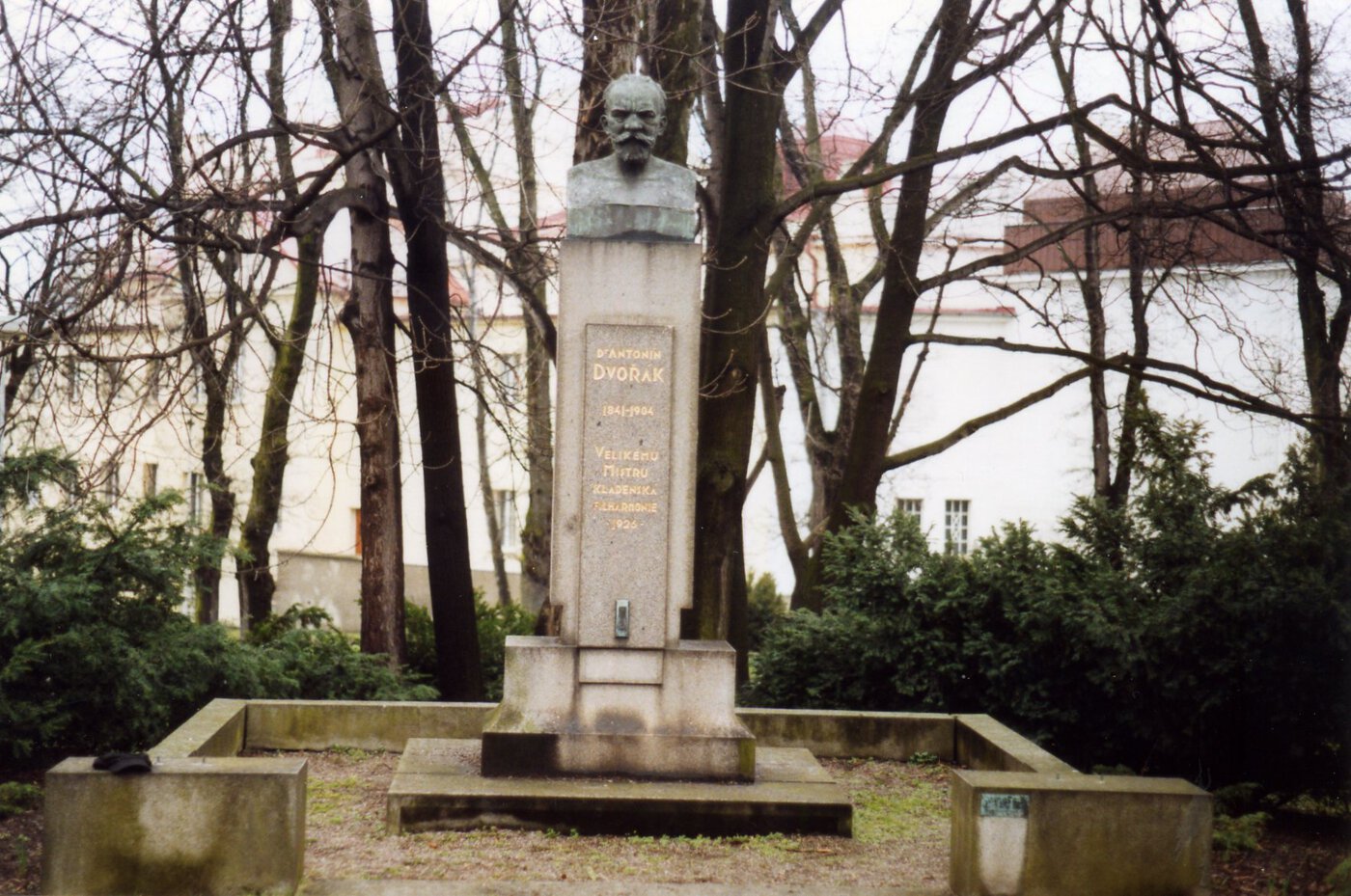
Dvořák Monument in Kladno (Czech Republic). Photo: Wikimedia Commons

«Dvořák's piano works are usually neglected, as if they were not a fully-fledged part of his oeuvre,» writes Tomáš Víšek in the preface to his anthology Easy Piano Pieces and Dances, which was recently published by Bärenreiter Praha. He is undoubtedly right about that. For, unlike his chamber music, his works for solo piano are rarely featured on our concert programs.

What is the reason for this? Although Dvořák played the piano quite well, he hardly ever took advantage of the instrument’s specific capabilities. His piano writing is therefore often somewhat awkward. (Incidentally, this also applies to a large extent to his piano concerto!) Which is not to say that he would not have been capable of exploring the instrument’s sonic charms. And so the editor adds: «Nevertheless, many of Dvořák’s compositions can be played beautifully … and interpreted in such a way that their tonal or technical difficulties go unnoticed by the listener.»

Dvořák’s piano works are dominated by shorter pieces: dances, mood pieces, and humoresques. These also include, incidentally, the wonderful Silhouettes Op. 8. The only large-scale work appears to be Theme with Variations Op. 36. A selection of particularly obscure gems now forms the content of this edition. «Pieces that went virtually unnoticed because they were, so to speak, overshadowed by other works and rarely published.» Despite the simplicity of the musical invention, these sounds exude a remarkable magic. For Dvořák succeeds time and again in combining conventional chords in unconventional sequences in such a way that entirely new timbres and harmonies emerge. And he does this without the music ever losing its natural flow. It is precisely the Album Pages (No. 1) and the Lullaby (No. 8) provides compelling evidence of this.

Dvořák himself did not provide any fingering suggestions. Editor Tomáš Víšek took the trouble to include very detailed guidance. In doing so, he may have gone a bit overboard, as he occasionally places a number above every note. Otherwise, however, the score is very clear and immediately invites you to familiarize yourself with these little musical gems.

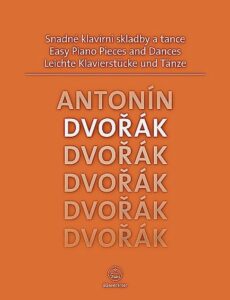
Antonín Dvořák: Easy Piano Pieces and Dances, ed. by Tomáš Víšek, BA 11584, €16.50, Bärenreiter, Prague

An opera created under the worst possible circumstances

Viktor Ullmann’s opera *The Emperor of Atlantis* was composed in the Theresienstadt ghetto camp. The source materials are now available as a facsimile edition, complete with extensive supplementary material and scholarly essays.

The former Jewish ghetto in Theresienstadt, where Viktor Ullmann composed *The Emperor of Atlantis*. Photo: Wikimedia Commons

Viktor Ullmann was taken to Theresienstadt on September 8, 1942. There, together with Hans Krása, Gideon Klein, and Rafael Schächter, he took over the musical direction of the so-called «leisure activities» in the ghetto. It was there that he composed his opera The Emperor of Atlantis. In October 1944, Ullmann was deported to Auschwitz on one of the last transports and murdered.

It took a long time for the facsimile to be published Emperor of Atlantis published by Bärenreiter—it was worth the wait. This large-format volume, nearly 300 pages long, contains more than just a facsimile of the score. It also includes the various versions of the libretto: the handwritten version by Peter Kien and his typescript, which was written on the back of discarded deportation records of Jewish people from Theresienstadt. These are harrowing testimonies to cruelty.

Massacres, Deportation, and Death

The editor, Heidy Zimmermann—a research associate at the Paul Sacher Foundation in Basel, where part of Ullmann’s estate is held on deposit by the Goetheanum in Dornach—has thus produced a valuable and important work. The chamber opera, which lasts about an hour, is now regularly performed on stages both large and small. However, the complex historical context of the work—which was so important to its creators—fades with the passage of time.

Here, Zimmermann unsparingly reveals the reality of the work’s creation: the paper shortage in the ghetto, which constantly forced the creative prisoners to seek workarounds; the constant decimation of the participants through deportation and death, which ultimately also prevented the premiere from taking place in the camp; the seriousness with which Kien, Ullmann, and the performers engaged with the work—as evidenced, for example, by the existence of several versions of the opera’s title. A facsimile of Karel Bermann’s role book as «Death» is also included. In addition, there are special, previously unknown treasures to discover: two original set designs by František Zelenka, a wash drawing by Peter Kien of a rehearsal, and an illuminating cartoon based on the libretto, also by Peter Kien. The volume is rounded out by five scholarly essays, a bibliography, and a synopsis of the text versions. This facsimile volume is the perfect introduction and an important scholarly foundation for anyone wishing to explore the work—for example, in preparation for a newly planned production.

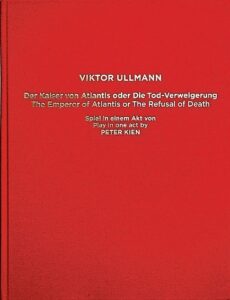
Viktor Ullmann: The Emperor of Atlantis, or The Refusal of Death, Facsimile of the Source Materials, edited by Heidy Zimmermann, 295 pp., €199.00, Bärenreiter, Kassel 2025, ISBN 978-3-7618-2350-7

Female composers are expanding the choral repertoire

With Fanny Hensel’s «Gartenlieder,» Marianna von Martines’ «Seconda Messa,» and a choral collection featuring works by female composers, mixed choirs now have new programming options.

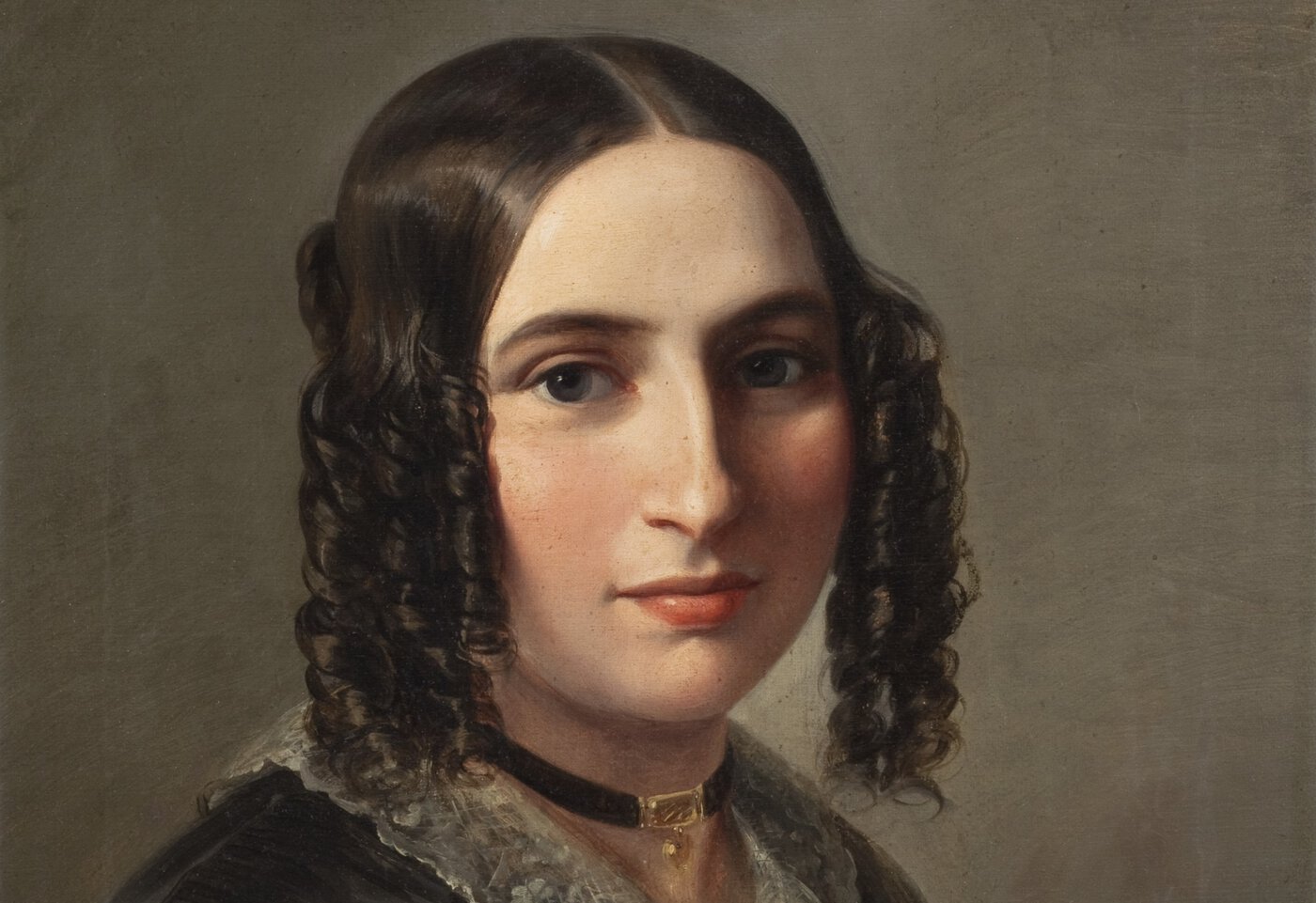
Fanny Hensel. Photo: Wikimedia Commons

The three editions from Carus-Verlag presented here are prime examples of the welcome rediscovery of female composers and enrich the choral repertoire with works of great musical and historical significance.

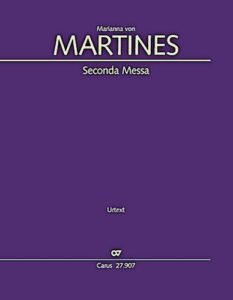
With Fanny Hensel's Garden Songs Op. 3 is a meticulous Urtext edition of a Romantic choral cycle that impresses with its subtle interpretation of the text, tonal diversity, and editorial precision. With Marianna von Martines‘ Second Mass A melodious, relatively easy-to-perform work of the Viennese Classical period is made available in a scholarly edition, thereby further establishing one of the most significant female composers of the 18th century in the performance repertoire.

The Anthology Choral Music Composed by Women provides a cross-epochal overview of the diverse works of female composers. It brings together well-known names with rewarding rediscoveries and offers choir directors valuable inspiration for creating varied and contemporary programs. Together, the three publications demonstrate how editorial quality and the expansion of the repertoire can go hand in hand.

Fanny Hensel: *Gartenlieder*, Op. 3, 6 Songs for Mixed Choir, ed. by Lorenz Adamer, conductor’s score, 9.308/00, €15.00, Carus, Stuttgart

Marianna von Martines: Seconda Messa, ed. by Joseph Taff; conductor’s score, 27.907/00, €60.00; piano reduction, 27.907/03, €18.00; Carus, Stuttgart

Choral Music Composed by Women, 47 compositions for SATB choir, some with piano or organ, edited by Franziska de Gilde, Mary Ellen Kirchens, and Jan Schumacher, Chorbuch 2.251/00, €24.00, Carus, Stuttgart

A Complete Overview of Josef Reinhart's Musical Settings

Klaus Wloemer has examined the role of music in the work of the folk writer Josef Reinhart and compiled a detailed catalog of the musical settings of his poems.

The Galmis Valley in Solothurn, where the dialect poet Josef Reinhart, born in 1875, grew up. Photo: Wikipedia

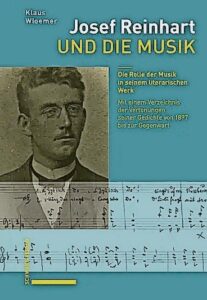
Among the most frequently set-to-music dialect poetry of Northern Switzerland, the works of Sophie Haemmerli-Marti (1868–1942) and Josef Reinhart (1875–1957) stand out in the cantons of Aargau and Solothurn. While research on the musical settings of the Aargau poet’s works is still in its early stages, an extremely detailed and comprehensive catalog of those by her colleague is now available. It was compiled by Klaus Wloemer, who has combined it with a detailed study on the role of music in Reinhart’s literary work.

This 954-page, literally very weighty publication is Wloemers’ dissertation, expanded by two chapters—a painstaking work with a multi-part appendix (sources and bibliography) of impressive thoroughness. For example, for the musical settings documented from 1897 to the present, the text lists—before the incipit—not only the time signatures, keys, and number of measures, but also the vocal range and specific details such as alterations to the melody and harmonization.

Visiting Reinhart's Descendants

The account of Reinhart’s relationship to music is supported by and annotated with countless quotations. The source texts for the poems set to music are described in detail and with meticulous care. These are listed in alphabetical order—not by song title, but by the opening lines of the text. The index of persons is followed by a chronological table of Reinhart’s poems with precise source citations.

With the keenest of instincts, the author unearthed settings of Reinhart’s poems by 161 male composers and 8 female composers in the most remote corners. Stephanie Bühlmann (soprano), Daniel Behle (tenor), and Benjamin Engeli (piano) present a small but substantial selection on the CD Hei cho, Dialect Songs Based on Poems by Josef Reinhart (Solo Musica SM 464).

Klaus Wloemer, himself a Christ Catholic priest, feels a special connection to the poet, who converted from Catholicism to the Christ Catholic Church. He was also a guest of Josef Reinhart’s descendants at their home in Solothurn. Wloemer devotes a special chapter to Josef Reinhart and music in the Christ Catholic Church of Switzerland.

Quelle: zvg

Klaus Wloemer: Josef Reinhart and Music. The Role of Music in His Literary Work, 954 pp., Fr. 128.00, Schwabe, Basel 2025, ISBN 978-3-7965-5351-6

Cartoon-style lyrics, punk beats

Taranja Wu releases her second solo album, «All Messed Up.» It’s more powerful and urgent than her debut.

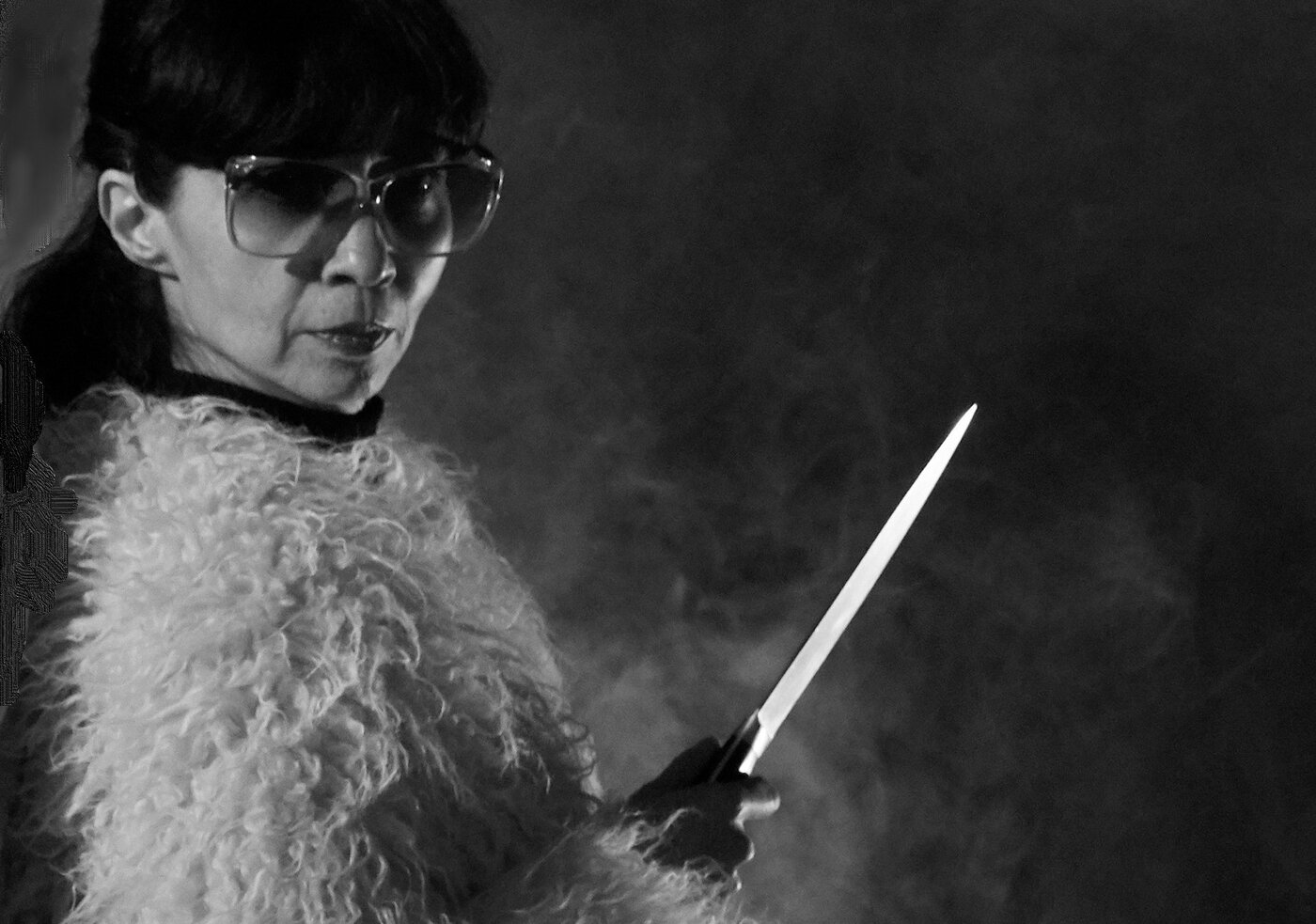
Taranja Wu. Photo: PD

«You hit me in the face / now I look like a disgrace,» says a justifiably furious Taranja Wu at the beginning of her second solo album, which is as stirring as it is entertaining Everything's a mess. But don’t worry—even the electro beat, which brooks no resistance, signals that this Basel native, forged from punk blood, flesh, and wit, won’t take a slap in the face lying down. Soon enough, she promises to scratch the other person’s eyes out, slam the door in their face, and tie them down to the bed really tight. You immediately believe she’d be perfectly capable of something that physical—and that makes you want to hit the dance floor all the more. Wu’s cartoonish lyrics—which are, on a metaphorical level, highly potent—are paired with punchy, punk-inspired beats and melodies that hark back to the deeply gritty sounds of the New York synth pioneers Suicide. Wu also demonstrates a familiarity with the electro-pop of Dead Or Alive and the Scandinavian gloom of The Knife.

Taranja Wu is no stranger to the scene: Until her far-too-early death in January 2020, she performed alongside former Aeronaut member Olifr M. Guz under the name Naked in English Class. Compared to her more delicately arranged solo debut, Everything's a mess More powerful, more urgent, and consistently geared toward energy. Wus’s talent for pairing snappy slogans with equally catchy tunes leads to standout moments like: «We’re a happy family / put the knife down» or «I’m messed up ‘cause you’re messed up / you’re messed up ‘cause she’s messed up…». And best of all: «I don’t want to be cute, but I do want you to remember me.».

Taranja Wu: All Messed Up. Flight 13 Records

A Sonata for All Types of Pianos

Marianna Martines« »Sonata da Cimbalo” combines the prescribed late Baroque structure with the expressive range of the Viennese Classical period.

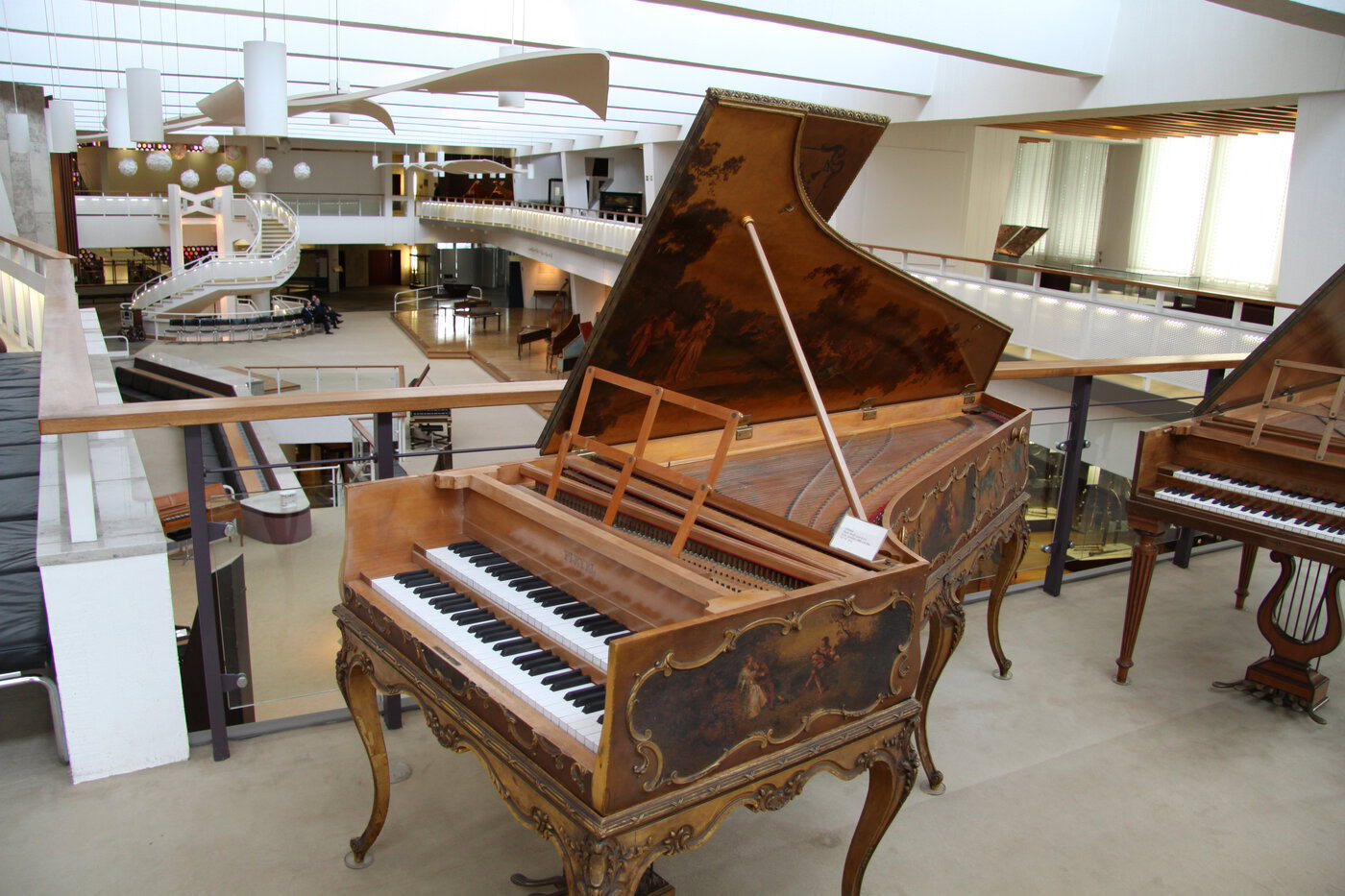
Keyboard instruments at the Berlin Museum of Musical Instruments. Photo: Wikimedia Commons / Morn the Gorn

The name of the Viennese singer, composer, and harpsichordist Marianna (von) Martines (1744–1812) is no longer an insider’s secret. She was a student of Joseph Haydn and was supported by the court poet and librettist Pietro Metastasio, who also named her the principal heir to his fortune and his artistic legacy. She hosted musical soirées attended by Mozart and other musical greats, and left behind sacred vocal works, an oratorio, a symphony, as well as piano concertos and sonatas. Recently, the youngest of her three «very elegant piano sonatas» (Burney) was published as a standalone edition. The only source for this is a Dresden manuscript, which dates the work to 1769.

The stylistic and pedagogical foundation of this sonata is provided by the divertimenti that the court composer Wagenseil composed for the talented daughters of Empress Maria Theresa. A late Baroque structural pattern is combined here with the expressiveness of the later Viennese Classical period, particularly in the minor-key middle movement, which requires a considerable degree of rhythmic nuance. The fast outer movements feature many typical rhythmic patterns characteristic of keyboard music from the mid-18th century.

Perhaps this sonata would have helped me overcome my teenage «sonatina crisis» in piano lessons better than the unbearable lightness of the long-worn-out Clementi and Kuhlautrifles—and perhaps it would have introduced me to the creativity of long-forgotten female composers who were, however, highly regarded in their own time. The impeccable musical text is complemented by valuable «Notes on Performance Practice,» which help musicians navigate the colorful ornamentation of early Classical keyboard music. For this reason, this sonata is recommended not only to harpsichordists but especially to female players of all types of “keyboards.”.

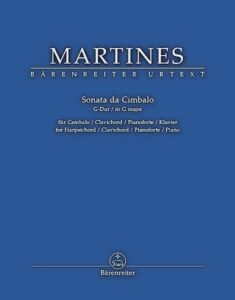
Marianna Martines: Sonata da Cimbalo in G Major, ed. by Judith Valerie Engel, BA 10888, €11.95, Bärenreiter, Kassel

More than just a minor Baroque master

Beate Sorg's biography brings the historical context and everyday life of Christoph Graupner to life.

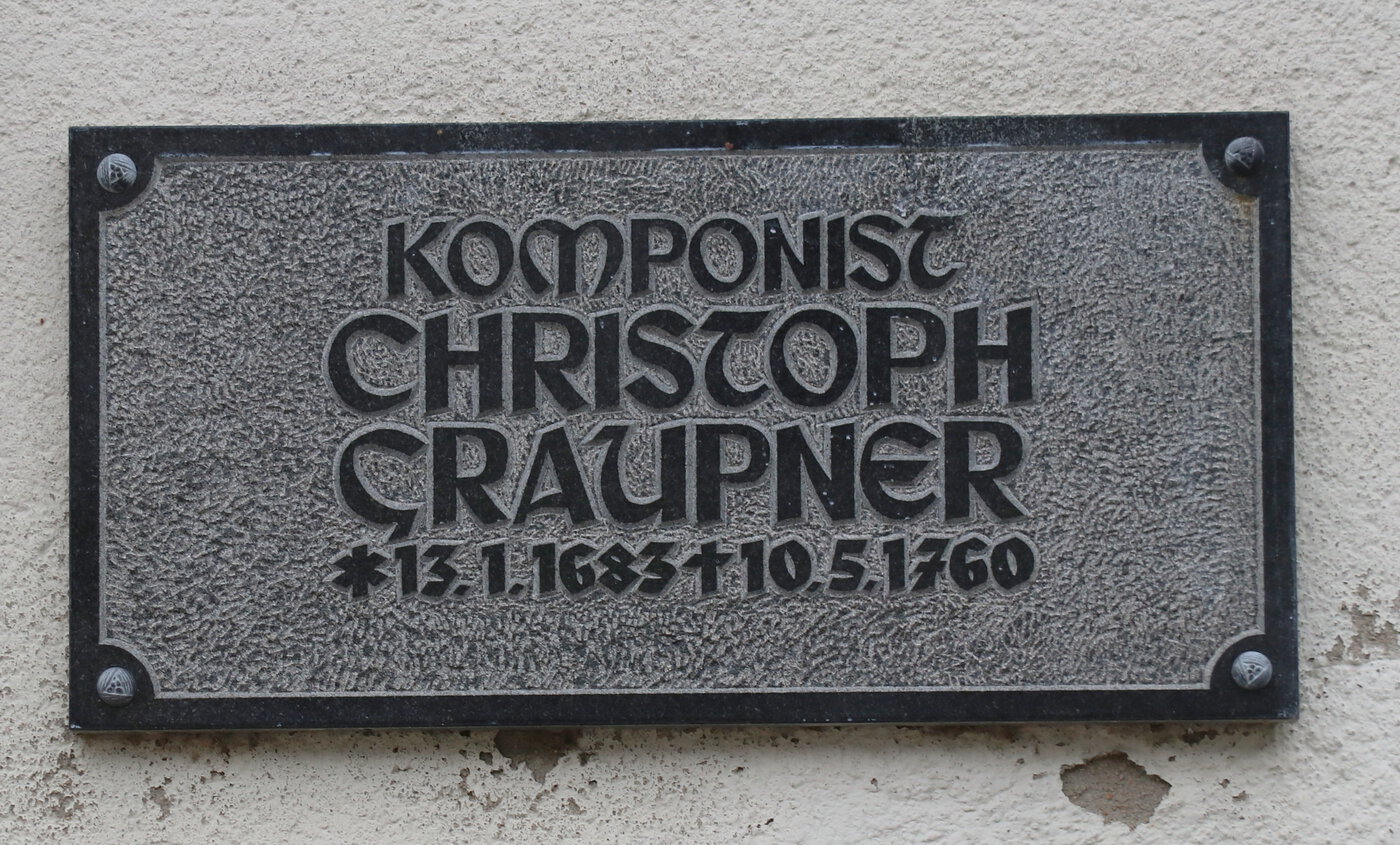
Commemorative plaque for Christoph Graupner in Kirchberg (Saxony). Photo: Wikimedia Commons / Michael Wolf

In the 1730s, Christoph Graupner (1683–1760), the court Kapellmeister of Darmstadt, embarked on a curious project: a canon-like composition with 5,626 variations resulting from minute shifts. How long must he have tinkered with it? With a certain obsession. A computer would handle that in no time today. Even Beate Sorg, a biographer well-versed in Graupner’s work, cannot determine what benefit he derived from it. But it reveals the composer as someone who experimented beyond the mundane, a trait that also repeatedly emerges in his actual compositions.

It’s worth taking a closer look. In her biography, the musicologist based in Mainz traces the life of Graupner, who was originally from Saxony and, after several years of wandering, was employed for decades by the Landgrave of Hesse-Darmstadt. Like all musicians of that era, he had to contend with his patron’s whims (and extravagance). He composed some 1,500 cantatas, several operas, and instrumental works as well.

Beate Sorg sheds light on the historical context and the musician’s daily life, including all its hardships. She introduces his companions and colleagues, discusses the sources in a refreshingly non-academic manner, and characterizes certain groups of works—such as the numerous compositions for chalumeau—and other distinctive features of the instrumentation. As locally limited as all this may seem, it is nonetheless vividly portrayed. One might only wish, at times, that she had delved a little deeper into the musical oeuvre. Ultimately, she leaves us wondering what it is about Graupner’s music that could still inspire us today.

Beate Sorg: Christoph Graupner, Biography of a Court Kapellmeister, 265 pp., €39.00, Georg Olms, Münster 2025, ISBN 978-3-487-17157-9

A Newly Discovered Romance

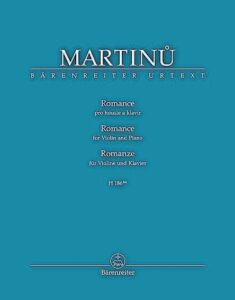
It was not until 2022 that Bohuslav Martinů's Romance for Violin and Piano was discovered among his papers.

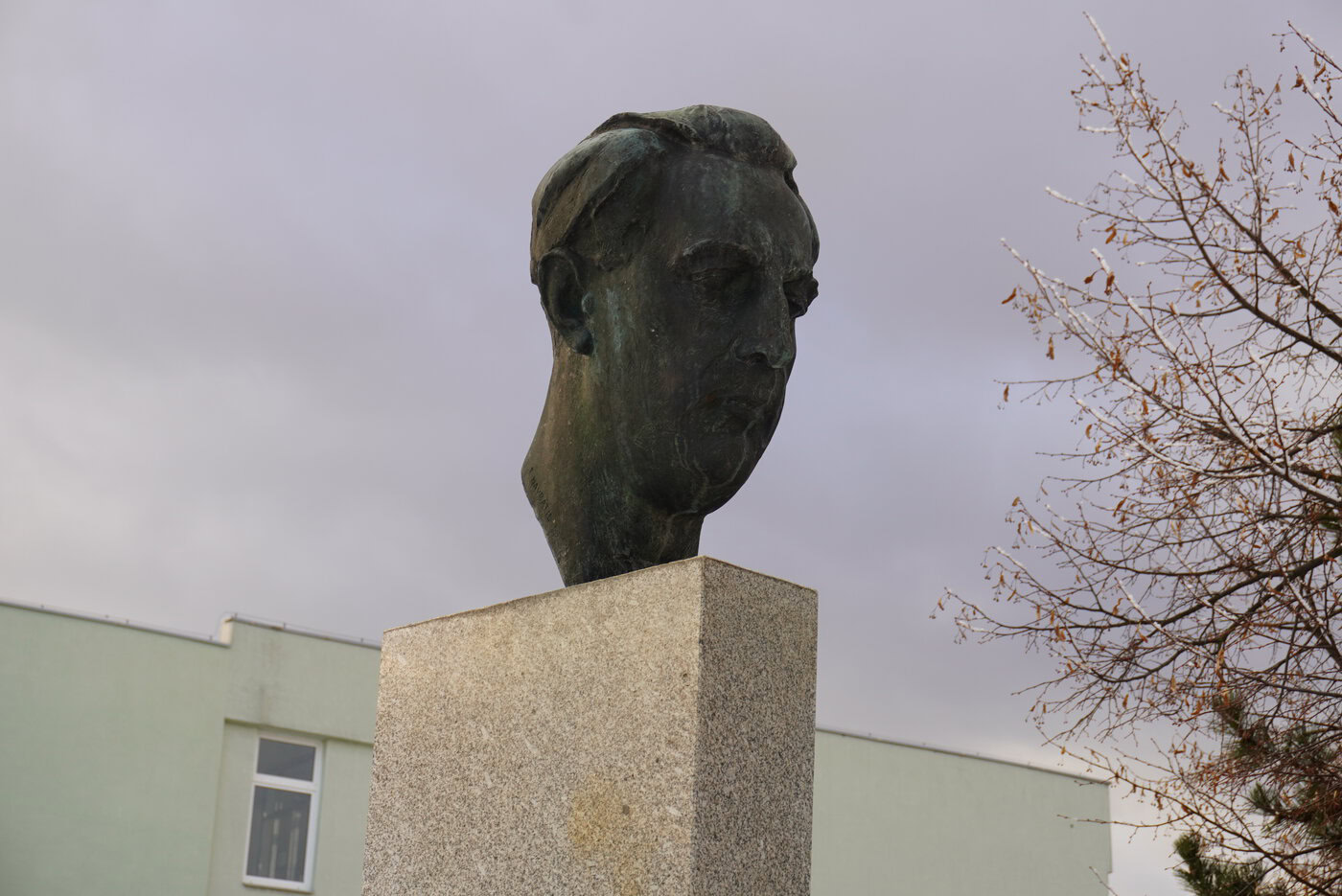
Bust of Bohuslav Martinů in Brno (Czech Republic). Photo: Wikimedia Commons

Boris Lipnitzki, the French photographer of Ukrainian-Jewish descent (1887–1971), photographed many famous musicians, befriended them, and asked them to compose pieces for his favorite instruments: the violin and the piano. This is how, in 1930, the Romance by Bohuslav Martinů. After Lipnitzki’s death, his estate was bequeathed to the Jewish National Library in Jerusalem, where the romance was not rediscovered until 2022.

This harmonically fascinating three-minute piece, in the style of the mature Martinů, with allusions ranging from B-flat major to E-minor and B major, builds calmly and steadily toward a climax marked by rapid ascending passages in the violin. There, the piano contributes to the expressive density with powerful quarter-note chords. The piece concludes syncopatedly in B-flat major.


Bohuslav Martinů: Romance for Violin and Piano, H 186bis, ed. by Natálie Krátká, BA 11581, €10.50, Bärenreiter, Kassel

get_footer();