Working Together to Find Solutions to the Skilled Labor Shortage
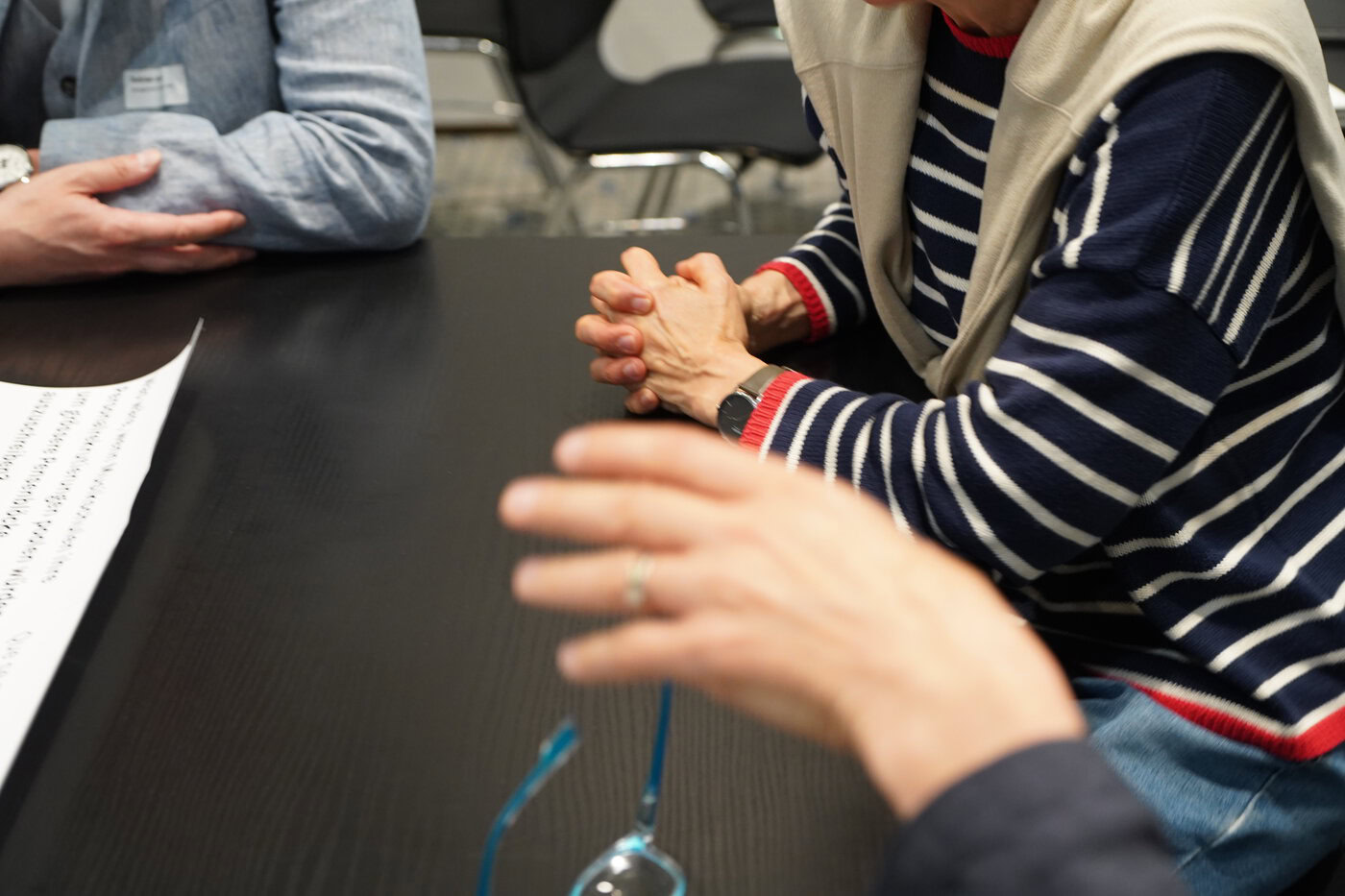
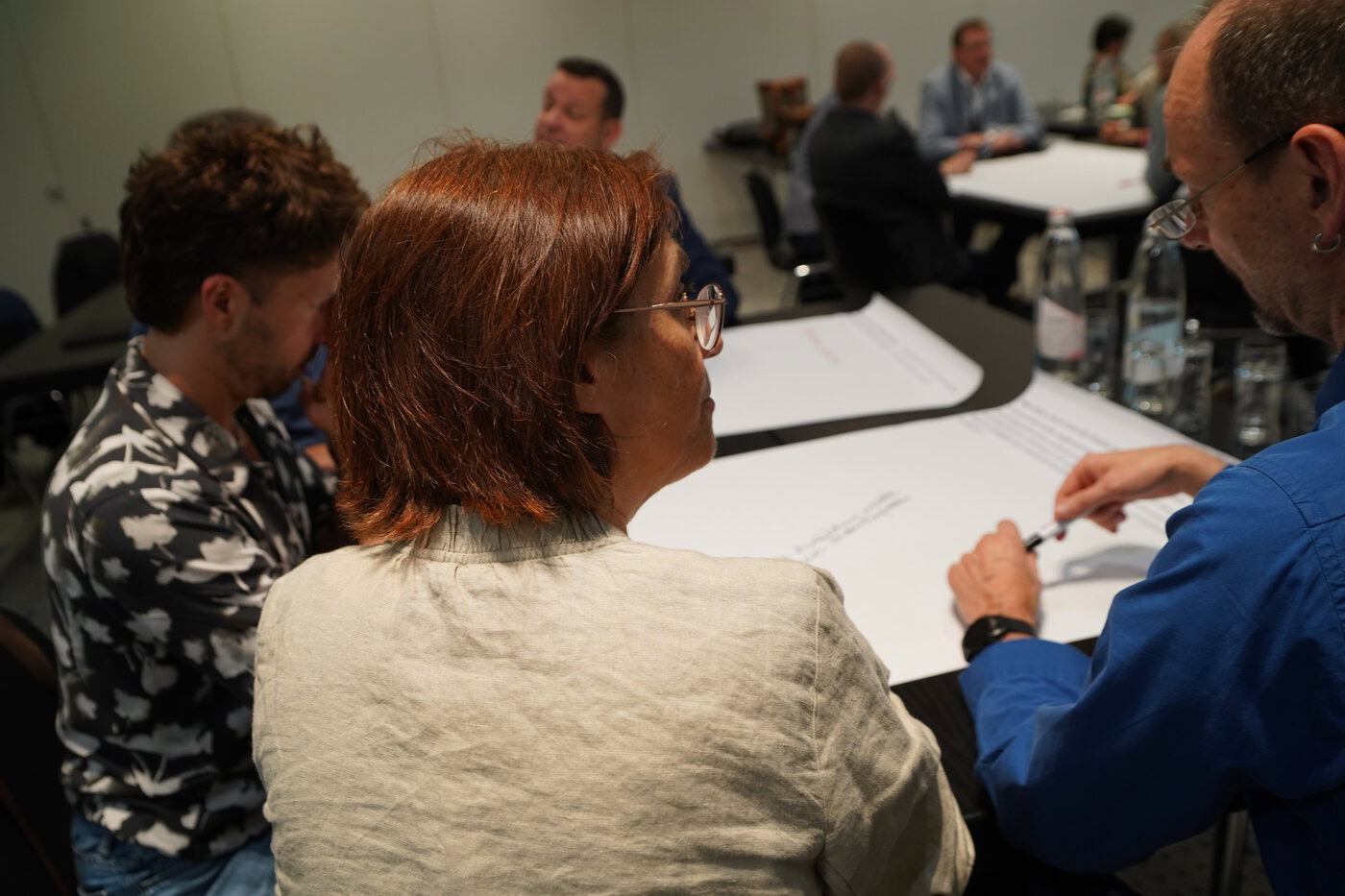
What can music schools and conservatories do to address the shortage of skilled workers? On June 12, representatives from all cantons met in Olten to exchange ideas. Discussions in small groups and inspiring input provided some initial ideas.




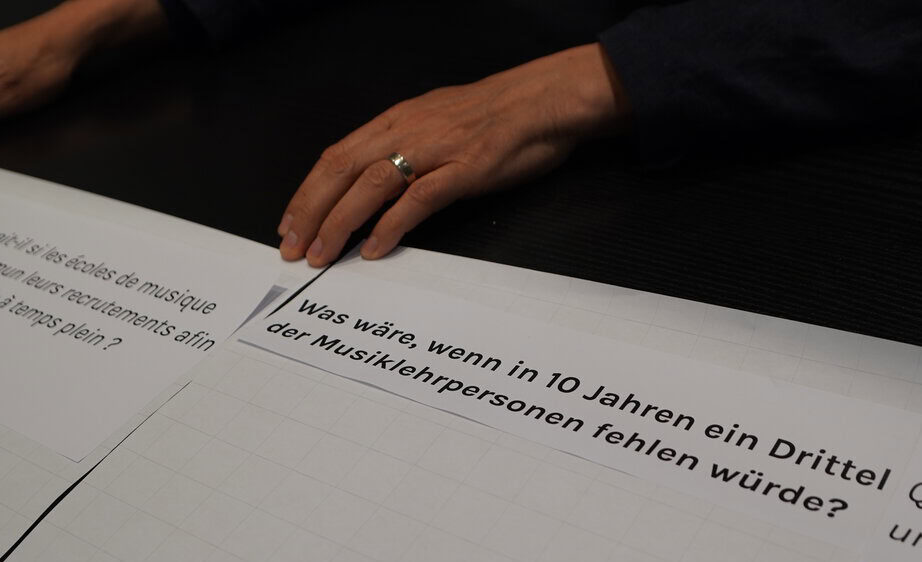
„The shortage of skilled workers is an issue both nationally and internationally,“ said VMS President Philippe Krüttli at the start of the event, which was jointly hosted by the Association of Swiss Music Schools and the Conference of Swiss Conservatories of Music, „We would like to create a space for dialogue so that we can work together to develop strategies for addressing the looming severe crisis.“
Rico Gubler, head of the Music Department at the Bern University of the Arts, provided an overview of the activities of the working group formed by the two organizations. The joint effort focuses on three areas of activity:
- Continuing Education for Music School Teachers
- Additional Training for Music College Graduates Without a Master's Degree in Education
- Internships/Work Experience Programs
In addition, the program directors for the MA in Music Pedagogy have already established a common minimum language proficiency level of B2. More information about the joint working group can be found in the VMS 2025 Annual Report.
Following a discussion in small groups, Mathias Lang, executive director of the Vorarlberg Music School Association, presented two recent studies. The „Mikado Music“-A 2025 study from Germany reveals a glaring shortage of new talent. Due to retirements and declining student enrollment, there will be a shortage of approximately 11,000 music educators in just ten years. Recommendations for action at all levels include, for example, better pay and working conditions, the promotion of mental health, and support for and flexibility in the artistic activities of music students and music educators.
In Austria, the starting point appears to be significantly better than in Germany, as indicated by the initial results of a Study by the Conference of Austrian Music Schools as shown in a report to be published at the end of 2026. The demand for teachers is expected to remain roughly the same—with approximately 3,600 teachers and about 3,000 graduates. However, the limited availability of data makes it difficult to draw firm conclusions.
Peter Röbke, a music educator, professor emeritus of music, and author, then broadened the discussion. Given the shortage of teachers at music schools, he said, we must ask ourselves whether this is a matter of cutbacks or job reductions—or whether we should instead be thinking about transformation. „We all want to fight for music schools,“ he says. „We can see crises as opportunities.“
He encouraged people to think of the music school as a „different kind of school“—one that is flexible and opens up worlds of learning and music-making even beyond the actual classroom. The Mikado Music Study clearly highlights the tension between artistic and pedagogical practice. 70% of the study participants agreed with the statement that artistic development is better facilitated in other professions. As an example of a „different kind of school,“ he cited Dortmund Music!, a music school with seven divisions, including „Live on Stage,“ „Digital,“ and „House of Pop.“.
Finally, he urged that the unique situation of Generation Z be taken into account. The concept of the future has become uncertain for them; never before has there been such a concentration of global crises. If the music school opens itself up to new ideas, it could thereby become a more attractive workplace for young employees.
„I’ve been very inspired by the lively discussion and the ideas for the future,“ said Valentin Gloor, president of the Conference of Swiss Conservatories of Music, in closing, and called on everyone to continue thinking together. Philippe Krüttli also expressed his gratitude for the dialogue and sent the participants off to enjoy a sunny weekend.