End and beginning in the Charterhouse
The thirtieth Ittingen Whitsun Concerts from May 22 to 25, 2026 were all about «listening». - About the first edition of the festival under the artistic direction of Reto Bieri and verticality in the experience of music.




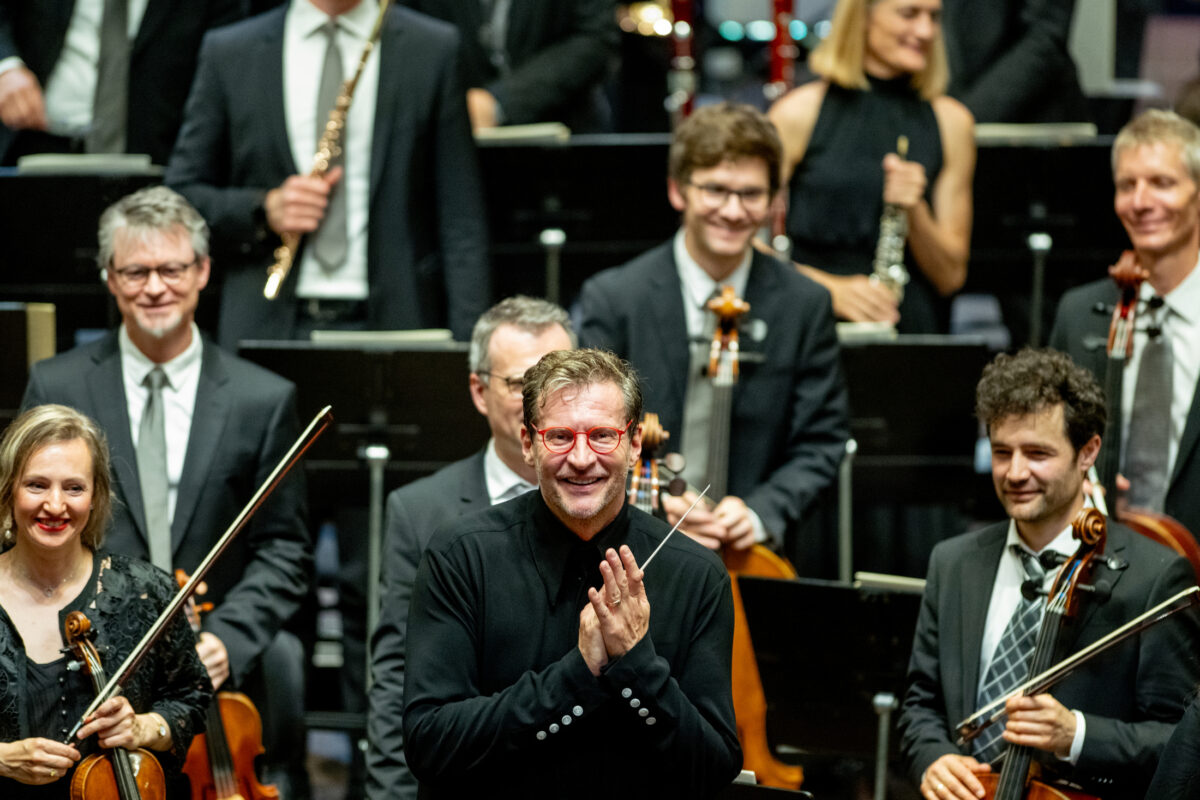
It seems a strange topic for someone who is starting out. But the hyphen in «auf-hören» already indicates that it is not simply a matter of ending, of calling it a day. Reto Bieri, clarinettist, conductor, lecturer in chamber music in Munich, long-time director of the Davos Festival and passionate programmer, is conducting the Whitsun Concerts at Ittingen Charterhouse for the first time. Heinz Holliger and András Schiff began this tradition exactly thirty years ago; after twenty editions, Graziella Contratto, Oliver Schnyder, Maurice Steger, Nicolas Altstaedt, Isabelle Faust and Kristian Bezuidenhout took over successively.
How does hearing come into cessation?
And now Reto Bieri «stops». In the program booklet, he explains how he understands this: «Hardly any other word says »no« so decisively and at the same time offers an opening. One says: »Stop it« and means standstill. But there is something else hidden inside the word: a listening ... » So to stop is like listening. This interpretation makes sense to someone who is interested in music. But is it correct? Kluge's Etymological Dictionary confirms that «aufhören» was synonymous with «hören» in the Middle Ages and infers: "When someone focuses their attention on something, they simultaneously cease their activity." Ceasing as being ready for the new that is about to come.
Reto Bieri explains this choice with the first impression the Charterhouse made on him: «You come through this portal and find yourself in a new, closed world. The most open space is heaven. That was also the case for the Carthusians, who withdrew behind these walls and created a paradise.» The entire festival program opens up from here.
Radical leaving behind
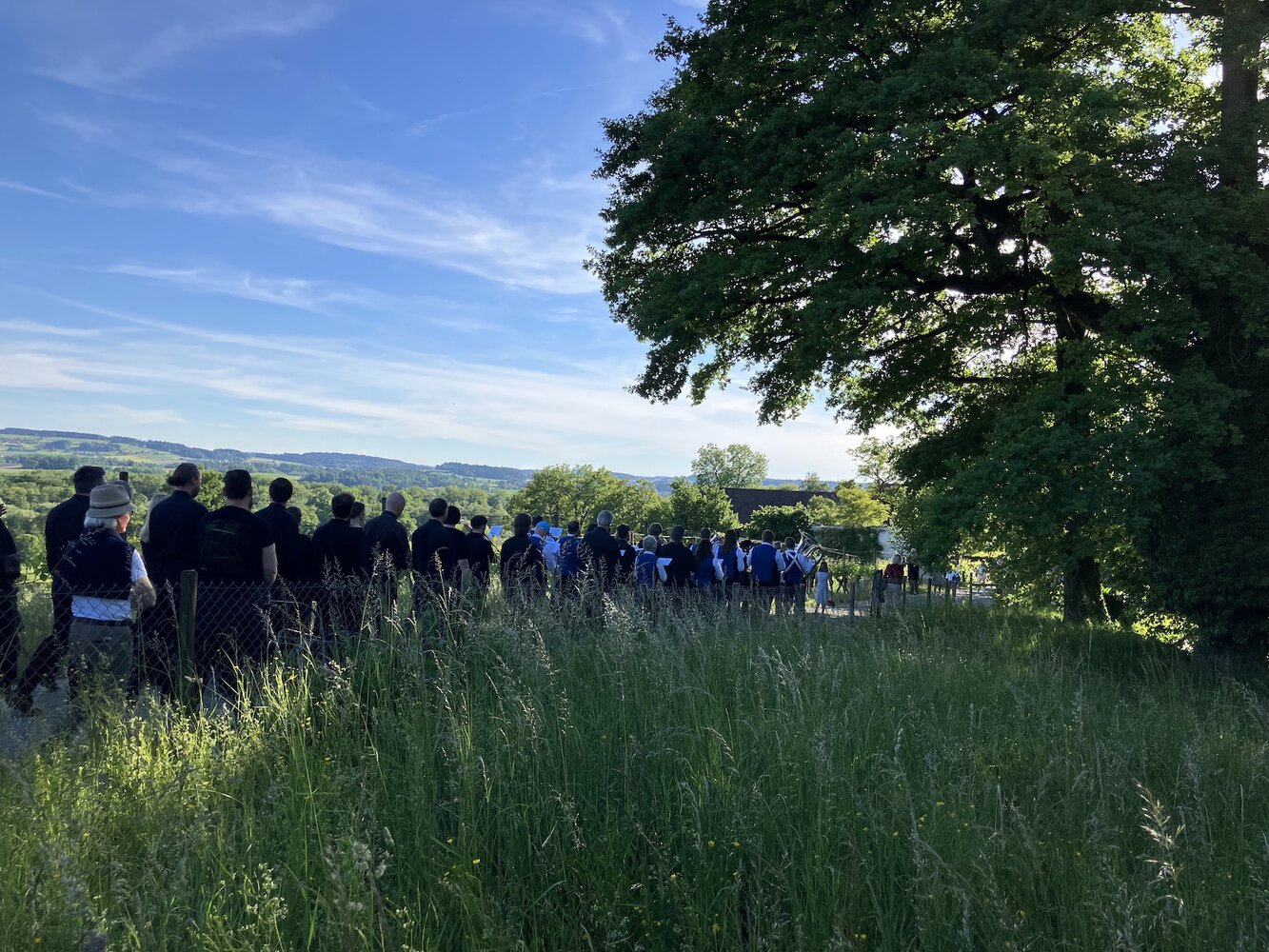
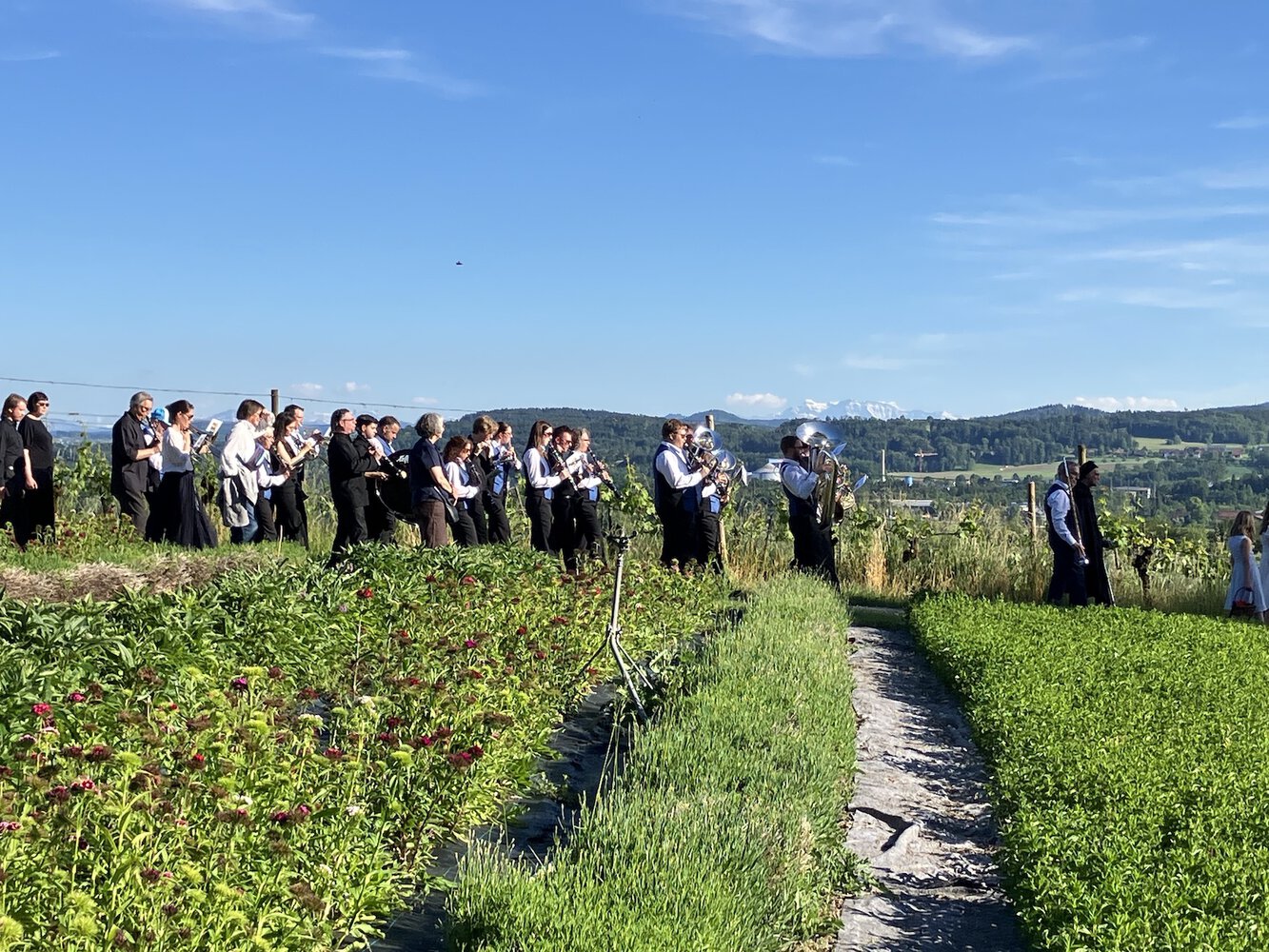
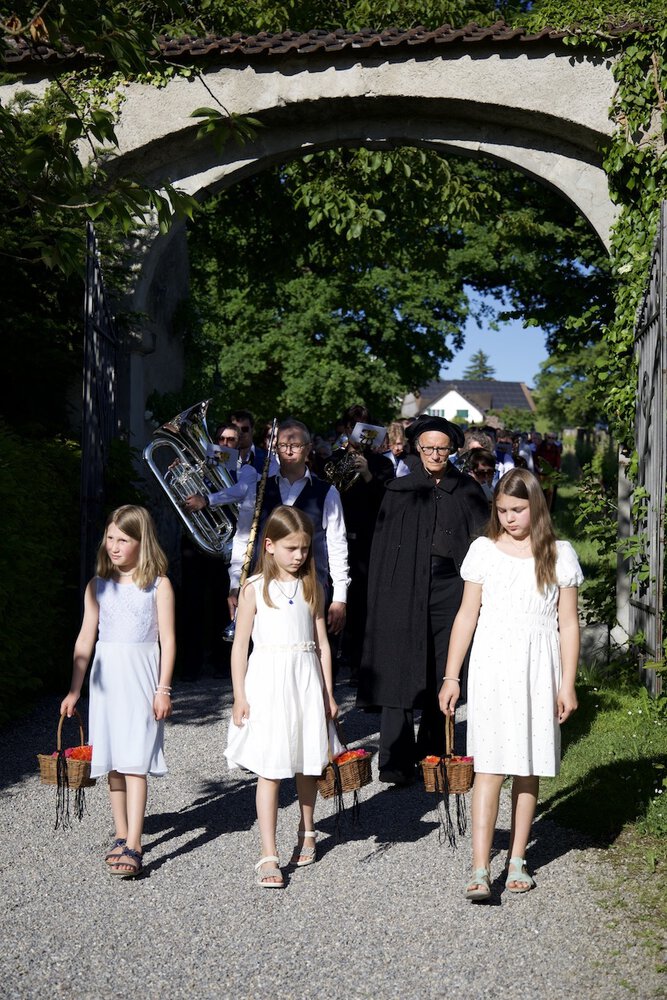
It begins with the ultimate form of ending: death. To kick things off on Friday evening, there is a three-part «Final Farewell» that stages precisely this arrival, farewell, and rebirth. A few hundred meters from the Carthusian monastery, a detachment of the Weinfelden Music Society forms up, then marches off deliberately, playing the funeral march «Teure Mutter.» Then they come to a halt; silence. They continue, same music, same slow pace. Silence again. At the very back of the funeral procession of festivalgoers, restlessness spreads. Someone complains that the loudspeaker, which is being carried on a cart, is positioned incorrectly—you can’t hear a thing. There is nothing to hear, as gradually becomes clear. There is slow marching to the funeral march—at half-step!—and silent pauses. Not so easy to endure. At the third pause, I notice that my eyes are closing; I’m surrendering to the situation. Bieri would later confirm «that it’s almost unbearable—these repetitions, this marching in place.» And he would recount what a unique experience it was for the participating music students to march alongside musicians with a completely different musical background. The drum major had to explain to them how to stand in formation: heels together, feet at a 45-degree angle. Bieri, too, took his place in the clarinet section and paid his respects to the «dear mother.» The march must be played five times before reaching the Carthusian monastery, and as the pace slows, the scent of mint begins to waft from the path.
Corpse feast, acted and completely true
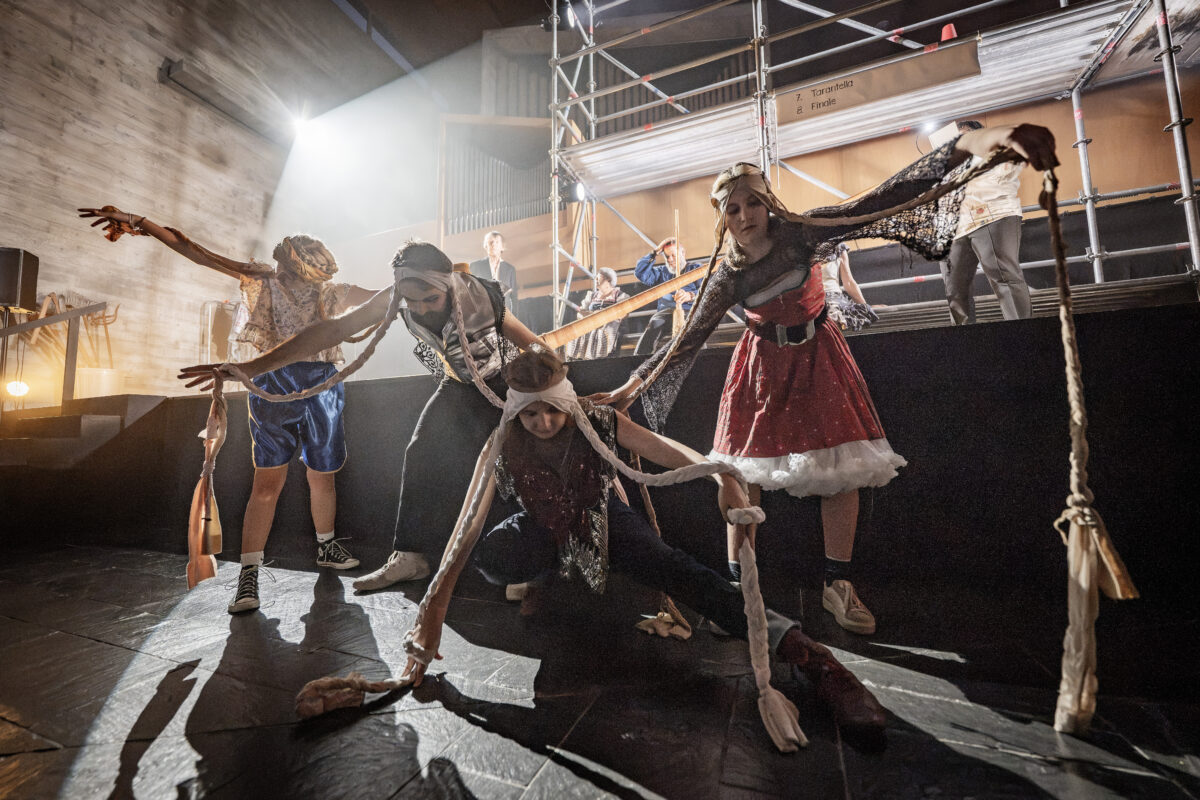
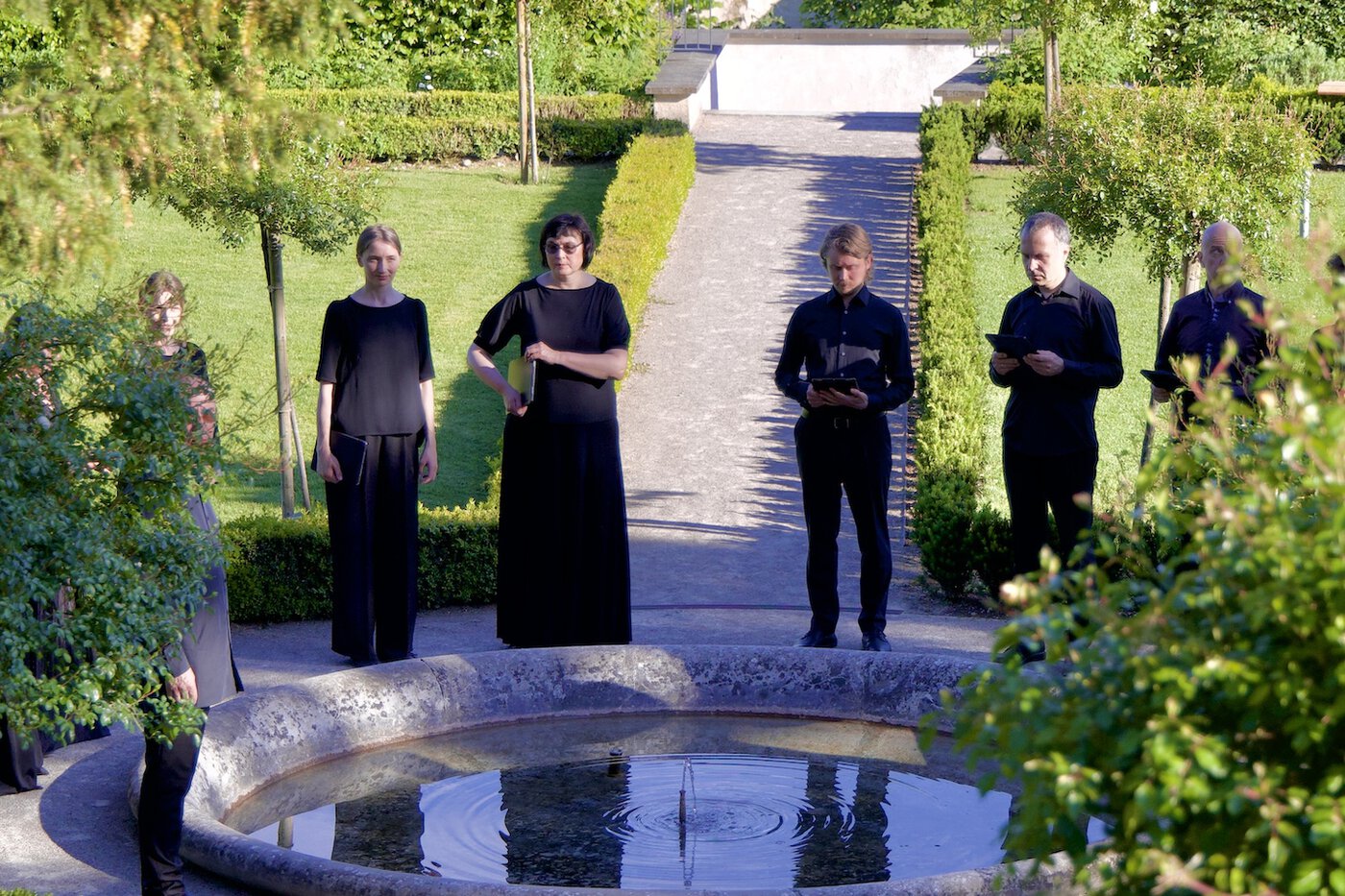
In the baroque garden, Vox Clamantis has positioned itself around the round water basin and greets those arriving with Gregorian chants, including the Pentecost sequence. In the subsequent concert in the Remise, this Estonian vocal ensemble sings with its somnambulistic homogeneity The Deer's Cry by Arvo Pärt, the composer to whom it is very close and who almost quit, only to find a new voice years later. Finally, Henryk Górecki's Little requiem for a polka, here, too, repetitions, stepping on the spot and a sudden burst of nostalgic, exaggerated exuberance. Actor Jürg Kienberger, who has already given a somewhat disparate speech outside as the «priest» between quotes from Gotthelf and automatic telephone announcements, also provides amusement. There, these tragicomic-parodic intermezzi alienated me somewhat; on stage, I like them. It's good to laugh between this concentrated music. When asked whether this «theater» does not meet with opposition, Bieri will tell of a priest who wrote to him angrily. In the meantime, it has become a very stimulating exchange.
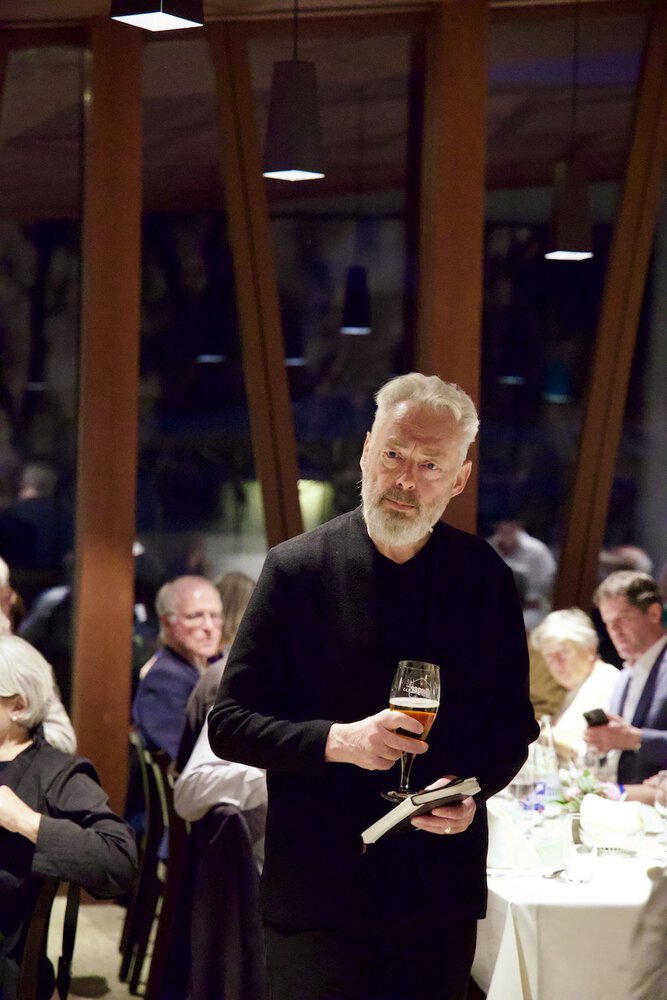
The evening concludes, as befits a funeral service, with the funeral meal. Everyone is seated in the Charterhouse restaurant: soup, people begin to chat hesitantly, main course, Mark Padmore accompanied by Anthony Romaniuk sings Schubert's Farewell to the earth, Dessert, ice-skating waltz. The festival musicians stand between the tables where there is space and play, the guests sing-hum-mumble along in several repetitions until the sadness has melted away and everyone is sure that something will begin again after the end. «... the end is the beginning from the other side», Karl Valentin is quoted in the festival program.
Unrelated in the horizontal
A feeling of togetherness spreads. Long-time festival-goers find that they have been missing something like this in the past. A community? Is music taking on the role of the church here? For Bieri, the proximity to the liturgical and religious is, on the one hand, strongly autobiographical: «As a child, I naturally took part in the Good Friday procession, thirstily walking four hours up the slope. At the Catholic teacher training college, we sang Gregorian chants every morning. On the other hand, I seem to be losing the roots of many things that have shaped us. Today we suffer from a gigantic cultural amnesia. Even when it comes to music, we often can no longer make connections and no longer know where something comes from or where it is going. Here we encounter the background of this monastic way of life, a comprehensive care, a verticality. In everyday life, we often only move horizontally and forget that there is also something above and below us.»
Stopping and blossoming
This year's program includes seven concerts. They mix music from the Middle Ages to the present day, less as a sequence than as a consequence. In the process, the procession, the making, is increasingly omitted, making way for the essence. The end point is Brahms’ Clarinet Quintet op. 115, which he wrote after he had actually finished composing. Listen, again and again! In the matinee on Whit Saturday, Vox Clamantis first sings the Gregorian antiphon Ubi caritas et amor and then, after a single breath, moves into Maurice Duruflé's motet on this theme, giving the impression that the monophonic melody breaks into an untenable polyphonic colorfulness. Later on The Righteous in the same way to Bruckner's motet. Listen up! Next year it will be about «getting back».
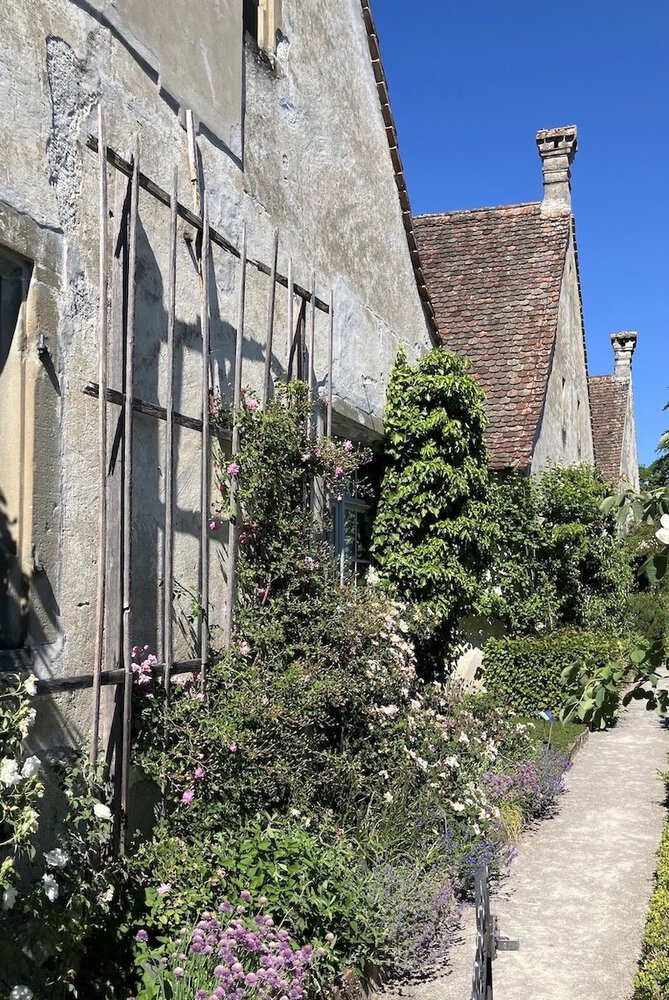
This Whitsun, the line-up ranges from soloists to a 14-piece ensemble, with Vox Clamantis, Trio Gaspard, the string quartet Meta4 and many others performing at the Charterhouse. Bieri says that he insisted that the performers be here the whole time. Many never go out at all. There is also no town nearby. But the old roses - the Charterhouse is famous for its extensive collection - are coming into bloom these days. These historic varieties only bloom once a year, after a few weeks they are over, but they have a unique fragrance.