Valais State Council Honors the Sion Festival

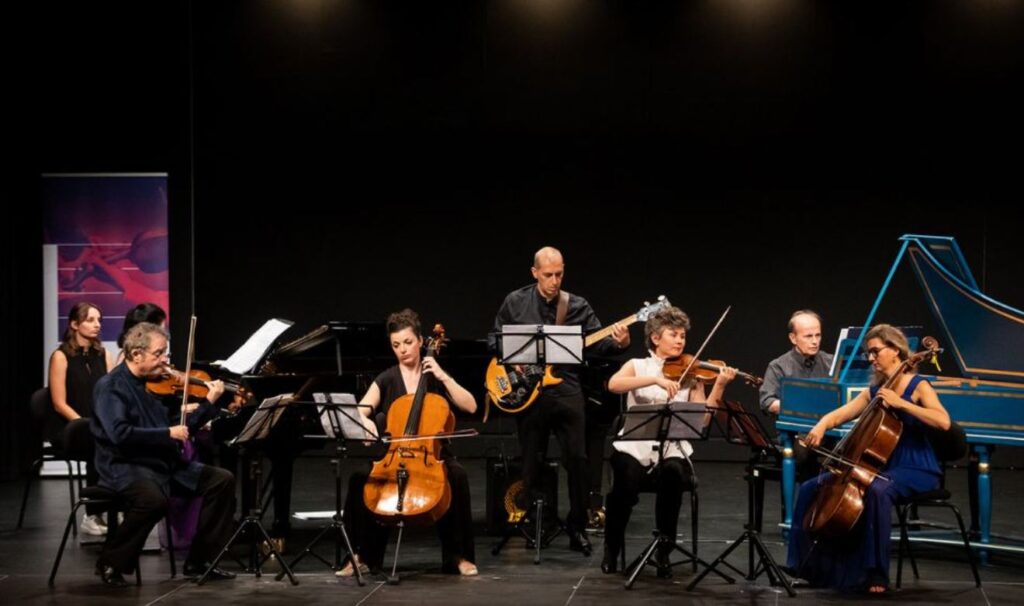
The Valais Culture and Economy Award honors an event that contributes to the development of both culture and the economy. This year, it goes to the Sion Festival.


The 2022 Sion Festival at the Théâtre de Valère (Photo: Céline Ribordy)

With this award, the classical music festival in Sion is awarded a grant of 20,000 francs. The Valais State Council thereby recognizes the quality and exemplary nature of the festival’s productions and events, its international reach, the event’s lasting impact, its cultural and economic effects on Valais, and its sound and sustainable funding model.

The festival is the legacy of a musical tradition spanning more than 60 years, founded by the Hungarian violinist Tibor Varga. Since May 2017, the three events founded by Tibor Varga—the Music Academy, the Sion Festival, and the International Violin Competition—have been united under the Fondation Sion Violon Musique (SVM). In 2018, a junior competition was also added to this structure, dedicated to fostering the next generation of musicians and upholding the highest artistic standards.
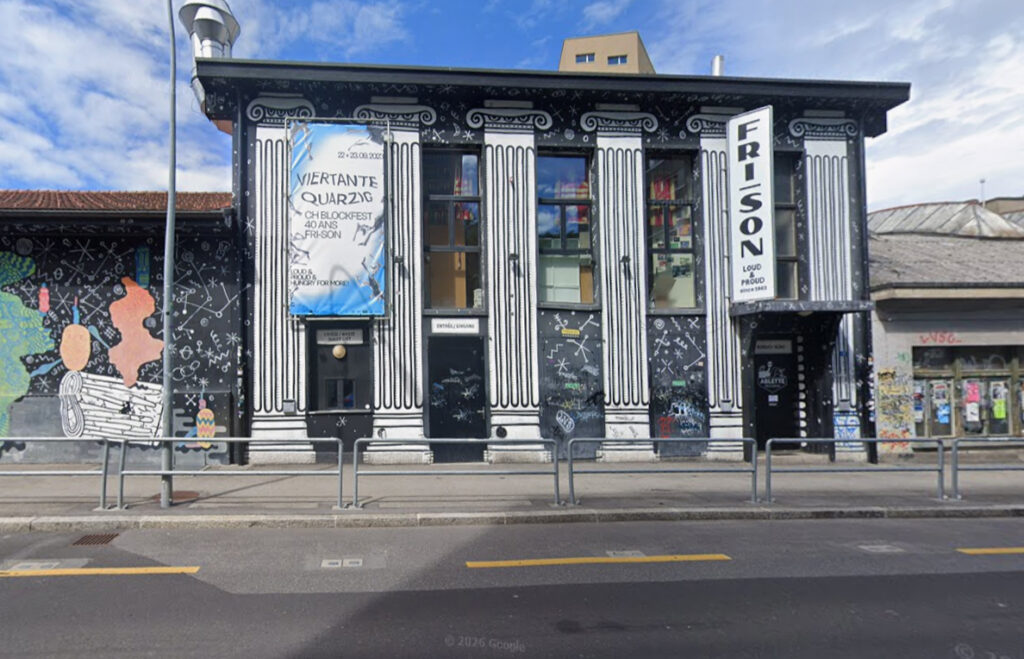
Cantonal Library Takes Over the Fri-Son Archive

The Freiburg Cantonal and University Library is taking over the archives of the Fri-Son concert hall. The collection is to undergo a comprehensive archival review.

Fri-Son (Photo: GM)

According to the library’s announcement, the archive serves as a valuable repository of history for researchers, the curious, and the history of Fribourg—a history that the concert hall has significantly shaped since its inception in 1983. As the heart of Fribourg’s nightlife, Fri-Son is indeed one of the first venues for underground culture and alternative music to emerge in French-speaking Switzerland.

Throughout its history, it has gained national and even international recognition by welcoming legends such as Muse, Cat Power, Nirvana, NTM, the Beastie Boys, Christine and the Queens, The Young Gods, the Foo Fighters, Stromae, and Théodora to its stage.

The collection is undergoing a comprehensive archival processing in the Cultural Heritage department under the direction of Candice Rey, who is responsible for the music archive at the KUB. After a cleaning phase, the documents will be sorted, organized, described, and cataloged in Fri-Memoria in order to preserve the archive permanently and, at the same time, facilitate its future use.

Hector Herzig Has Died After a Serious Illness

According to his family, Hector Herzig, one of the founders of the music initiative and a cultural policy maker, has passed away at the age of 72 following a brief but serious illness.

Photo: Heiner Grieder/FMB/VMS

Hector Herzig had studied trumpet and served as president of the Swiss Association of Music Schools until 2012. As an entrepreneur, he offered consulting services to music schools through his company, Herzka, among other things. He had been a member of the Langenbruck municipal council since 2004 and became its chair in 2008. From 2011 to 2019, he led the Basel-Landschaft chapter of the Green Liberal Party (GLP).

After studying music at the Zurich University of the Arts (trumpet), he served as director of the Liestal Music School from 1991 to 2007, he directed the Liestal Music School and, from 2006 to 2012, as president of the Association of Swiss Music Schools, played a decisive role in shaping music education at the national level, including as a co-initiator of the «jugend+musik» initiative.  On September 23, 2012, the Swiss people subsequently adopted the new Article 67a, «Music Education,» into the Federal Constitution with an overwhelming 72.7 percent “yes” vote.


The Canton of Vaud Revises Its Cultural Policy

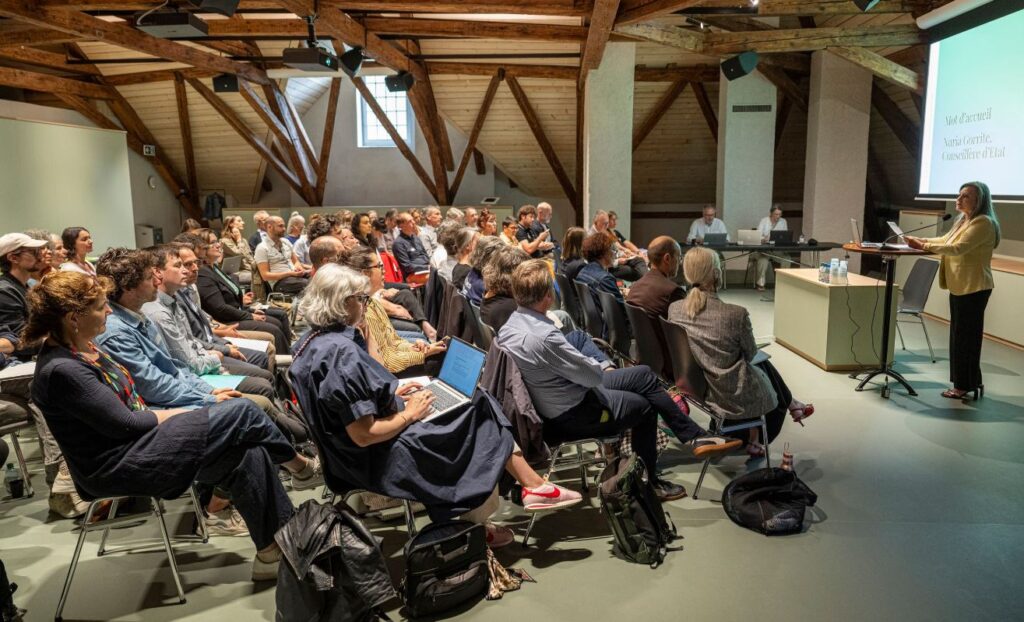
The Canton of Vaud plans to revise the legal framework for its cultural policy. An initial meeting with more than thirty organizations marked the start of the revision process.

Meeting to kick off the work. (Photo: Canton of Vaud/ARC Sieber)

Under the leadership of Nuria Gorrite, head of the Department of Culture, an initial meeting was held at the Maison de l’Élysée, attended by more than thirty organizations representing, at the regional or national level, the interests of the fields of theater, music, cabaret, dance, the visual arts, photography, the audiovisual sector, digital arts, books and literature, as well as cultural mediation and technical and administrative professions. The main associations supporting amateur arts were also present.

The revision also aims to better define cantonal cultural policy as «a public policy serving the entire population.» It is intended to «clarify the state’s responsibilities and enhance the transparency of government action by clarifying the cooperation between the canton, the municipalities, the central cities, private partners, intercantonal institutions, and the federal government.».

Access to culture, participation, inclusion, cultural education, and the dissemination of works throughout the canton will be key focal points of these considerations. Culture is not limited to the promotion of artistic creation; it must enable everyone to participate in and benefit from cultural life.

Original article (in French):
https://www.vd.ch/actualites/communiques-de-presse-de-letat-de-vaud/detail/communique/le-canton-de-vaud-lance-la-revision-de-sa-loi-sur-la-vie-culturelle-et-la-creation-artistique

National Council Should Provide Better Protection for Artists

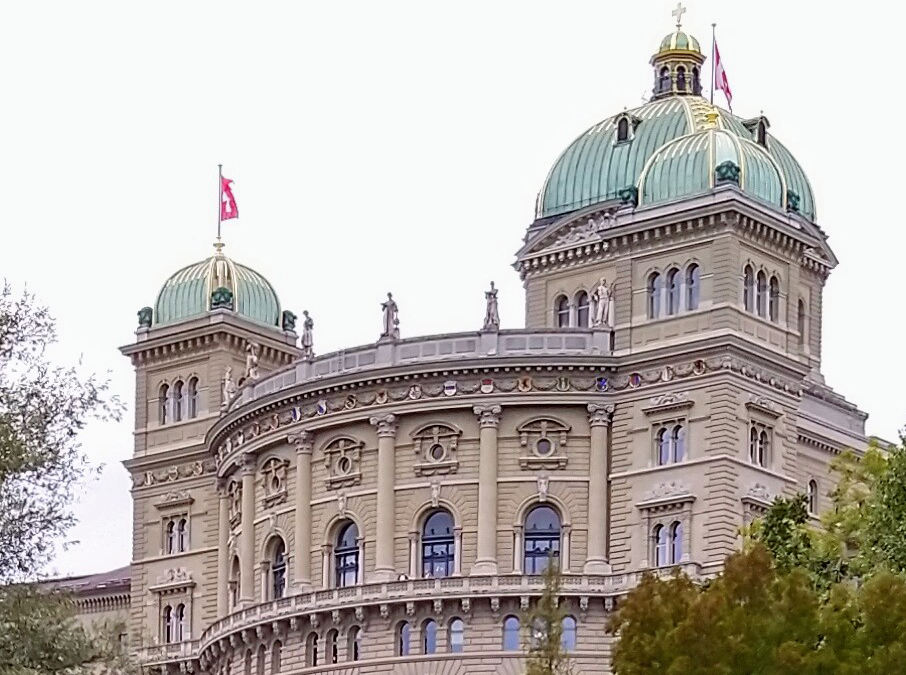
The National Council's Committee on Science, Education, and Culture has adopted a parliamentary initiative aimed at closing gaps in social security coverage for professional cultural workers.

Federal Palace in Bern. Photo: SMZ Archive

Suisseculture and Suisseculture Sociale welcome the initiative as an important political signal and a step in the right direction. It addresses a professional reality that the social security system has so far failed to adequately reflect. Suisseculture is the umbrella organization for professional cultural organizations in Switzerland and Swiss copyright collectives.

The text of the initiative states: «This legislative amendment is intended to make it possible to treat the income of cultural professionals who engage in multiple gainful activities—both as self-employed individuals and as employees—as income from employment on a flat-rate basis.»

The parliamentary initiative aims to better reflect the professional reality of cultural workers: Cultural workers often work both as self-employed individuals and as employees at the same time. They have multiple, often changing sources of income; the balance between self-employment and employment can sometimes shift from month to month. This reality makes classification under social security law and administrative processing very complex. As a result, affected cultural professionals often have significant gaps in their social security coverage.

The whole statement:
https://www.suisseculture.ch/?article=das_parlament_will_kulturschaffende_besser_schuetzen

Previously Unpublished Mozart Manuscript Discovered

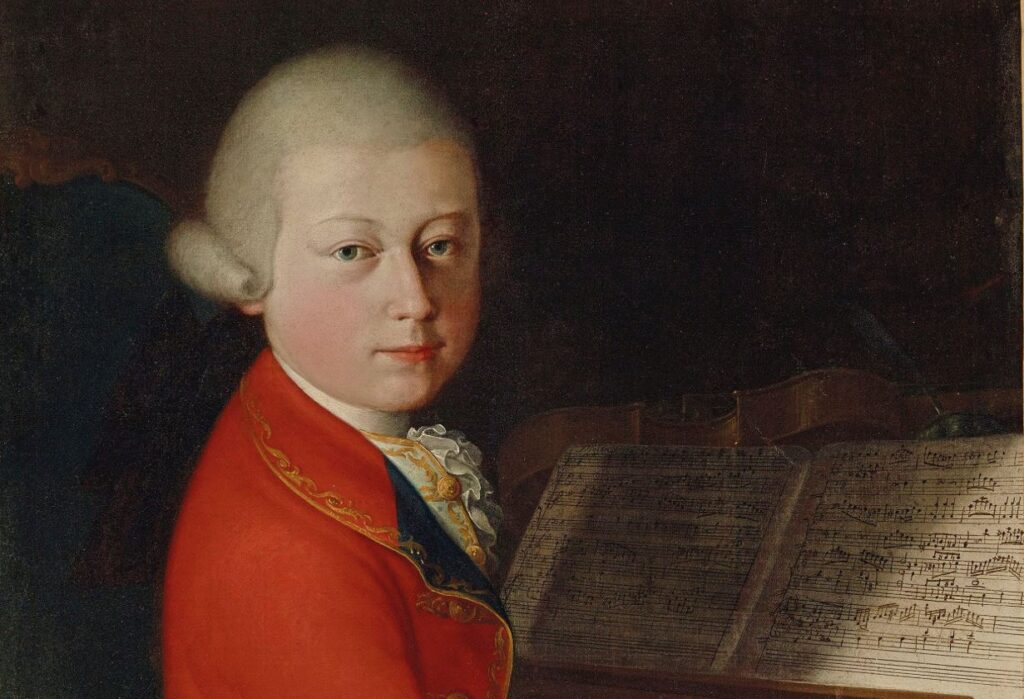
The Bibliothèque nationale de France has discovered a previously unknown manuscript by Mozart from the time of his stay in Paris in 1778.

Mozart (Painting by Giambettino Cignaroli)

The document is a 44-page manuscript booklet containing the composition lessons that Mozart gave to Marie-Louise-Philippine de Bonnières de Guînes (1759–1795), an accomplished harpist and daughter of the Duc de Guînes. It was discovered and identified in February 2026 in the music department of the Bibliothèque nationale de France (BnF) and offers valuable insights into how Mozart designed and conducted his composition lessons.

The BnF’s Music Department houses the world’s largest collection of Mozart’s autograph music manuscripts outside of Salzburg—Mozart’s birthplace and the headquarters of the International Mozarteum Foundation—and the Berlin State Library.

Original article:
https://www.bnf.fr/en/actualitesEN/discovery-unpublished-autograph-manuscript-mozart-bnf-music-department

Bloxham Remains Lucerne's Music Director

The Lucerne Theater has extended the contract of its music director and co-director of the opera division, Jonathan Bloxham, for another three seasons.

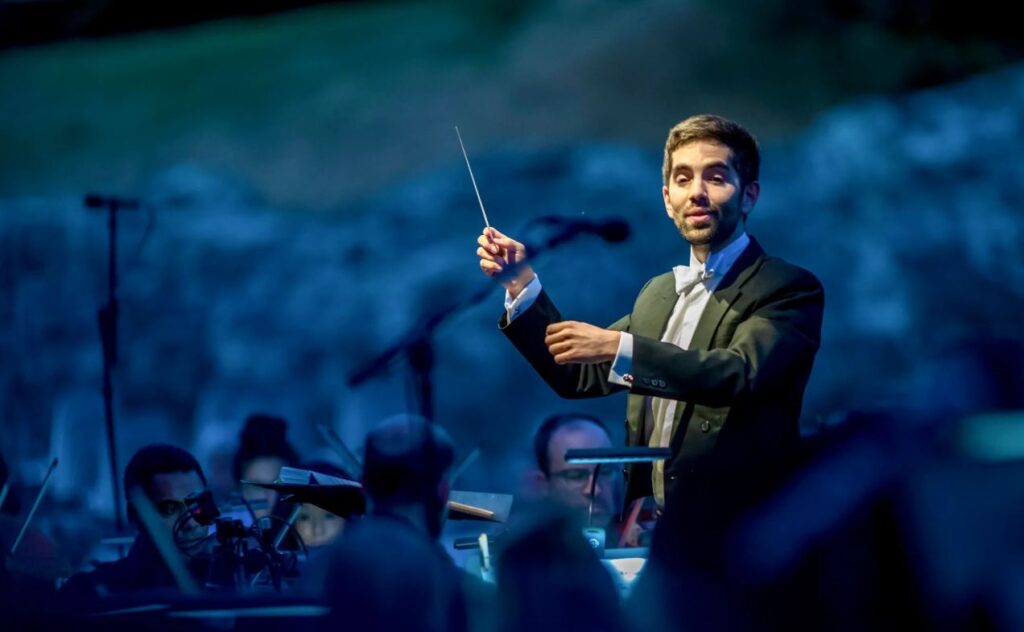
Jonathan Bloxham (Photo: Lucerne Theater)

Jonathan Bloxham, together with Opera Director Ursula Benzing, has been shaping the artistic development of the opera at the Lucerne Theater since the start of the 2023/24 season. In the upcoming season, he will serve as music director for the new productions of «My Fair Lady» and «The Flying Dutchman.» He will also conduct the revivals of «L’elisir d’amore» and «I Capuleti e i Montecchi.».

Bloxham’s conducting career began in 2016 as an assistant conductor with the City of Birmingham Symphony Orchestra under Mirga Gražinytė-Tyla. Since 2024, he has been chief conductor of the Nordwestdeutsche Philharmonie, and since 2022, he has also served as resident conductor and artistic advisor to the London Mozart Players.


Marc Leroy-Calatayud to Become Music Director of the Opéra de Tours

Marc Leroy-Calatayud of Lausanne, who served as associate conductor of the Orchestre de Chambre de Genève from 2022 to 2023, will become music director of the Opéra de Tours.

Marc Leroy-Calatayud (Photo: Courtesy of the source)

Leroy-Calatayud He studied conducting in Vienna and Zurich with Mark Stringer and Johannes Schlaefli and served as assistant conductor at the Opéra National de Bordeaux from 2016 to 2019. During the 2022–23 season, he served as assistant conductor of the Orchestre de Chambre de Genève. Prior to that, he served as artist-in-residence of the Orchestre National de Cannes during the 2021–22 season.

The Opéra de Tours has a symphony orchestra that has been active at the regional level since 2002 and a permanent choir of 14 singers under the direction of David Jackson. With the regular support of the orchestra, known as the Orchestre Symphonique de la Région Centre-Val de Loire/Tours (OSRC/T), the Opéra de Tours stages numerous symphonic works and operas, while pursuing a policy of inviting guest artists such as Michel Plasson, Roberto Alagna, and Patricia Petibon. Each year, the ensemble presents an opera and symphony season to audiences in Tours and throughout the Centre region, as well as opera recitals, chamber concerts, and performances for young audiences.

Suisseculture Calls for a Director of Cultural Affairs at SRG

Suisseculture takes note of the next steps in the SRG’s transformation and expects that culture, in the narrower sense, will be firmly anchored in the new structure both professionally and artistically.

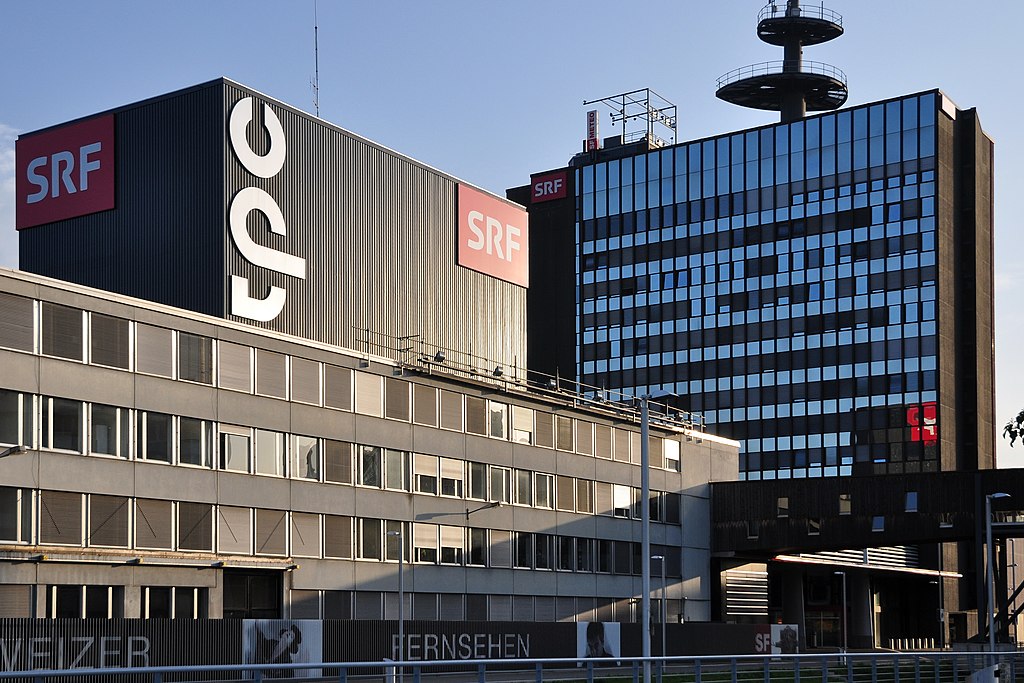
SRG headquarters in Leutschenbach (Image: zVg)

The umbrella organization representing professional cultural and media workers in Switzerland is calling for a director of cultural programming for culture on SRG radio, television, and digital platforms: a role with responsibility for content, culture, and the arts that is clearly established within the organization.

The association therefore considers it essential that cultural and artistic expertise be given due consideration in the pending personnel decisions—particularly regarding the vacancy on the Board of Directors. This applies equally to leadership roles in editorial departments and business units as well as to strategic leadership positions within SRG.

The whole statement:
https://www.suisseculture.ch/?article=die_srg_braucht_eine_kultur_intendanz

Zawodnik Succeeds Kaufmann at Sonart

The members of Sonart – Swiss Music Creators have unanimously elected Béatrice Zawodnik as their new president. She succeeds Michael Kaufmann.

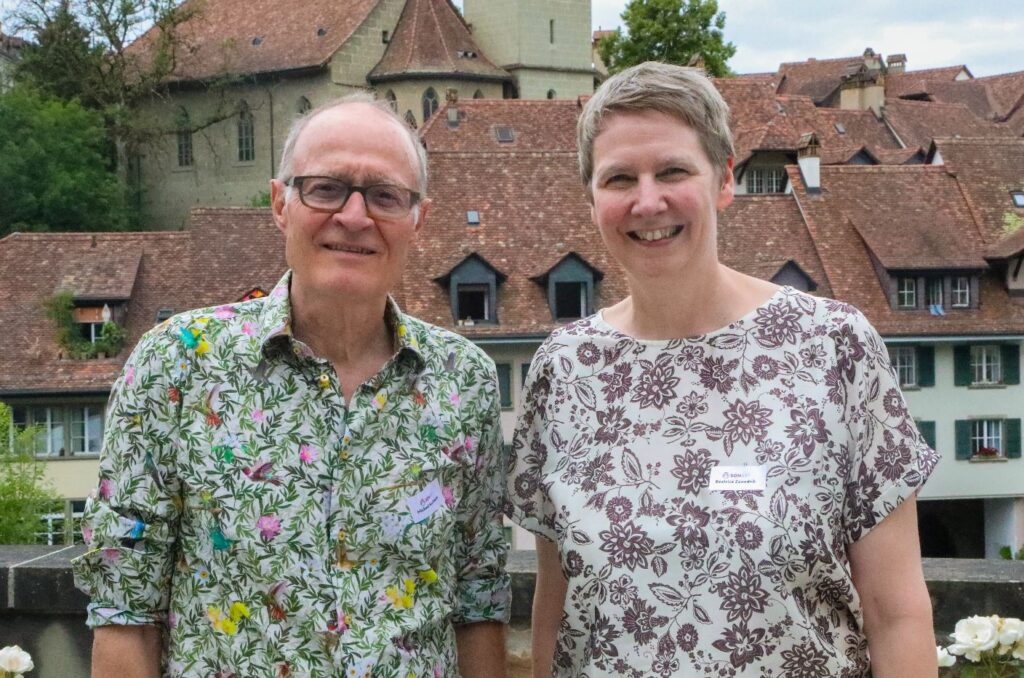
Michael Kaufmann and Béatrice Zawodnik (Photo: Sonart)

Sonart reports that Béatrice Zawodnik, a seasoned musician, manager, and educator, is taking over as president of the Professional Association for Music Professionals in Switzerland. A native of Vaud, she has served as director of the Haute école de musique de Genève (HEM Genève) since 2022. Prior to that, she performed as a musician in various orchestras and ensembles, was active in music education, and held various leadership positions in higher education.

In her campaign, Béatrice Zawodnik emphasized the importance of a strong commitment to professional advocacy for musicians of all genres. She is dedicated to strengthening the voice of musicians in cultural policy debates and to promoting fair working conditions and modern social security benefits. Michael Kaufmann served as president of the association from 2020 to 2026.

Sonart – Musikschaffende Schweiz is the largest professional association for music professionals in Switzerland. It advocates for the interests of music professionals across all genres nationwide and in all language regions, with a focus on freelance musical work. The association focuses primarily on cultural policy, the music market, and social security, offering a comprehensive range of services including consultations and workshops. Sonart is supported by a service mandate from the Federal Office of Culture. With nearly 3,000 members, the association operates nationwide and serves members from all language regions.

Appenzell Ausserrhoden honors Patrick Kessler

The 2026 Culture Prize of the Canton of Appenzell Ausserrhoden has been awarded to sound artist, composer, and curator Patrick Kessler.

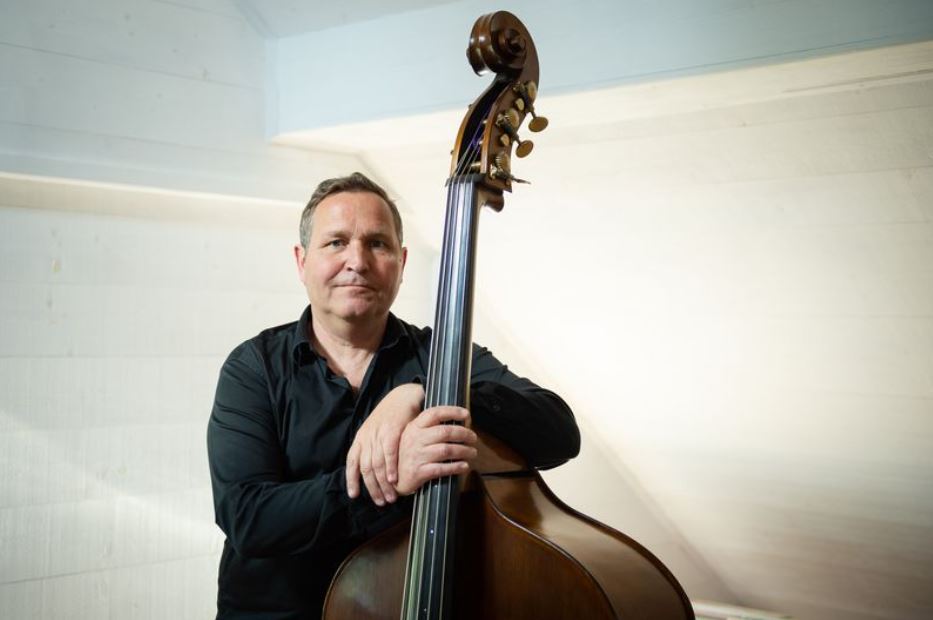
Patrick Kessler (Photo: Kasimir Höhener)

Patrick Kessler was born in 1967 and lives in Gais. He has been active in the canton for more than twenty years as a sound artist, composer, and curator. His concert installations in various formations and projects—such as the Chuchchepati Orchestra—have enriched the musical landscape and made spaces audible, according to the canton. With a keen sense of nuance and technical precision, he transforms sounds into experiences and vice versa.

Patrick Kessler founded the biennial audiovisual festival Klang Moor Schopfe. In the easternmost district outside of Gais, he transforms the Schopfe raised bog into a resonant space where nature and perception intertwine. In doing so, he consistently succeeds in connecting various cultural practitioners with local residents. He also demonstrates his commitment as a double bass teacher at various music schools in the region.

The Culture Prize recognizes the work of an artist who has been working professionally, in a multidisciplinary and experimental manner for many years, garnering a strong response from both the general public and the music scene. The Government Council of Appenzell Ausserrhoden honors Patrick Kessler for his consistent, diverse, and outstanding body of work and awards him the Culture Prize, which comes with a prize of 25,000 Swiss francs.

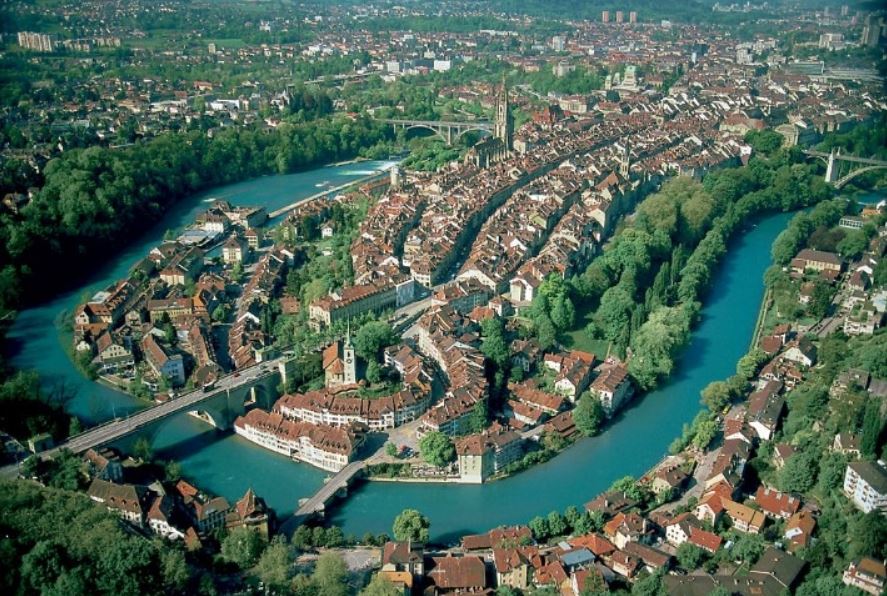
Consultation on the City of Berne's cultural message

The City of Bern's Cultural Dispatch 2028-2031 goes out for consultation. Cultural funding is to be increased by 3.6 percent.

City of Bern (Image. Wikipedia/Public Domain)

Funding for cultural promotion is to be increased by 3.6 percent compared to the previous period in order to help compensate for inflation in the institutions receiving funding. According to the city's press release, the cultural message will focus on the areas of sustainability and digitalization. In the area of project and program funding, the municipal council intends to focus on consolidating and further developing current measures. The cultural offerings in the school, socio-cultural and youth cultural context are now to be included in the cultural message. The consultation period will last until August 30, 2026.

The package includes 34 multi-year performance contracts with cultural institutions totaling CHF 35.4 million. This also includes orchestra funding, which is to be put out to tender for the second time and is budgeted at CHF 310,500. The remaining funds are spread across 13 promotional loans with a total endowment of CHF 4.8 million. The globally active music network Norient is to receive municipal performance contracts.

More info:
https://www.bern.ch/mediencenter/medienmitteilungen/aktuell_ptk/kulturbotschaft-2028-2031-start-der-oeffentlichen-vernehmlassung

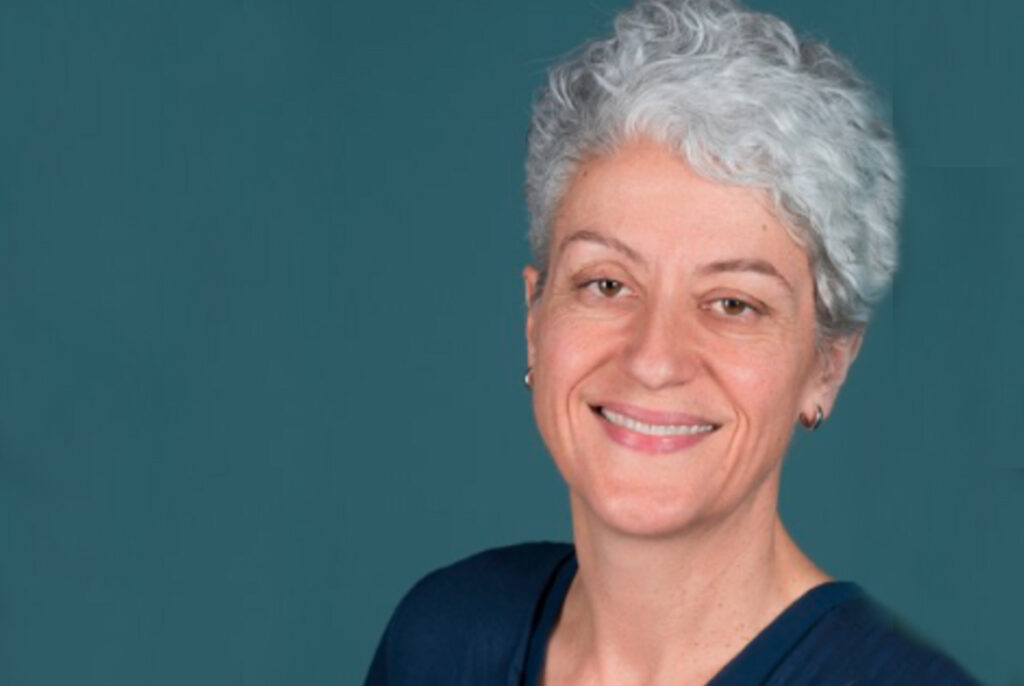
Frischknecht succeeds Swanepoel in Zurich

The Zurich University of the Arts has appointed Ruth Frischknecht as the new Deputy Head of the Department of Music. She succeeds Cobus Swanepoel in this position.

Ruth Frischknecht (Image: Guillaume Musset/ ZHdK)

Ruth Frischknecht has been working at the ZHdK since 2008 and is head of the Music and Movement/School Music profile. She studied music education and choral conducting at the Lucerne School of Music and cultural management at the ZHAW. Before joining the ZHdK, she worked as a choir director, music teacher at a grammar school and in cultural policy contexts. She is also involved in various national and international music education networks.

Cobus Swanepoel is handing over the position of Deputy Head of Department on August 1 at his own request. In addition to his role as Head of the Interpretation & Performance profile, he has held this position for twelve years.

Music is the largest of the ZHdK's five departments. It offers two Bachelor's and four Master's degree courses, a preliminary course (PreCollege Music), extensive further education and doctoral programs in cooperation with the University of Music and Performing Arts Graz. The department is home to two research institutes (Institute for Computer Music and Sound Technology, Institute for Music Research), a competence center for music physiology and a music club. The director of the department is Xavier Dayer.

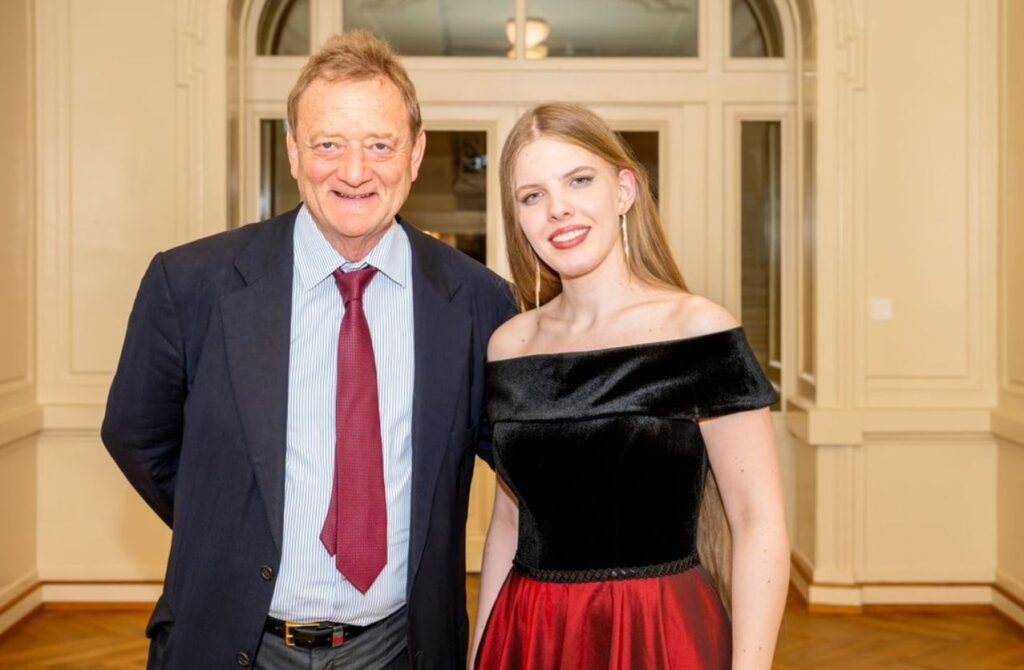
Eva Gevorgyan awarded the Prix Serdang 2026

The Prix Serdang 2026, endowed with 50,000 Swiss francs, is awarded to pianist Eva Gevorgyan.

Adrian Flury, Eva Gevorgyan (Image: Thomas Entzeroth)

Eva Gevorgyan is a student of Natalia Trull at the Central Music School of the Tchaikovsky Conservatory in Moscow and a graduate of the Escuela Superior de Música Reina Sofía in Madrid. She is a Yamaha Young Artist and has won prizes at more than forty piano competitions. Among others, she won first prizes at the Cleveland International Piano Competition for Young Artists 2018 and at the Van Cliburn Young Artist Competition 2019.

In 2020, she was awarded the Klavier-Festival Ruhr scholarship by Evgeny Kissin. In 2021, as a 17-year-old, she was the youngest finalist and winner of a special prize at the Chopin Competition in Warsaw. In 2022, her first album with music by Frédéric Chopin and Alexander Scriabin was released by Melodiya.

The Prix Serdang was launched in 2022. The candidates are selected by the pianist Rudolf Buchbinder as curator. The selection is made jointly by Rudolf Buchbinder, Adrian Flury (initiator) and Thomas Pfiffner (project developer).


Does listening to music benefit mental health?

Does frequent listening to music actually lead to better mental health? A study by the Max Planck Institute for Empirical Aesthetics (MPIEA) shows that this correlation is not clear.

(Image: Petr Kratochvil/publicdomainpictures.net)

The MPIEA team analyzed data from around 10,500 people from 2012 and a further 9500 people from 2022. All the data came from the Swedish Twin Register. The study focused on listening habits, in particular how much music was listened to and used to regulate mood.

It was found that people with depression, anxiety, feelings of loneliness or a stronger tendency towards neuroticism in particular were more likely to listen to music to regulate their mood. However, the team found no evidence that listening to more music in everyday life improves or worsens mental health.

In order to better understand the causal relationships, the research team used genetically based twin analyses and so-called polygenic indices, which map the genetic susceptibility to mental illness.

More info:
https://www.aesthetics.mpg.de/newsroom/news/news-artikel/article/steht-musikhoeren-in-zusammenhang-mit-psychischer-gesundheit.html

get_footer();