Many Swiss musicians are unemployed—but why is that, exactly?

According to a new survey, many musicians find themselves in a difficult situation one year after graduating. Meanwhile, music schools often struggle to fill open positions.


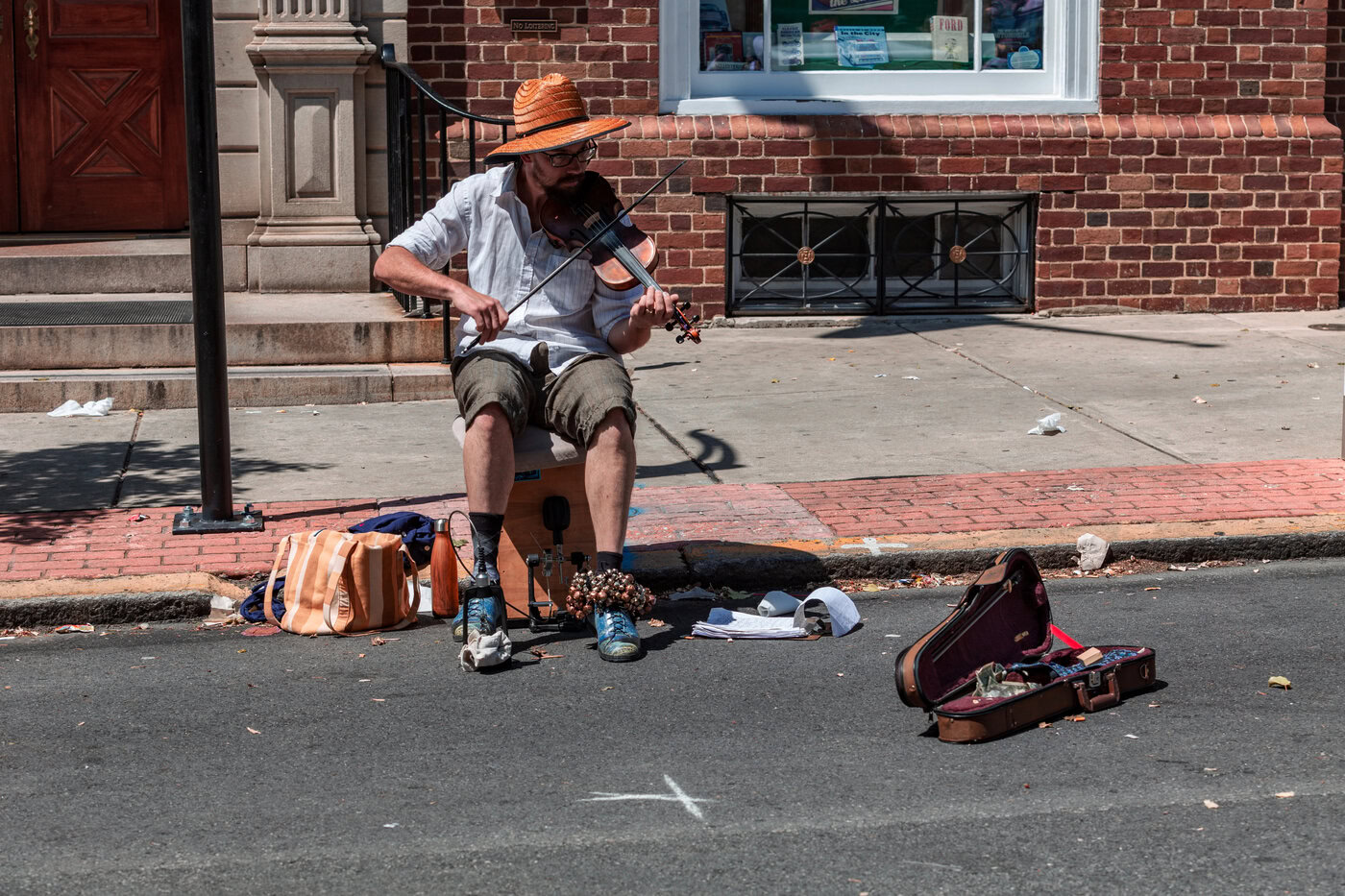
Few people have to resort to busking, but problems in the job market are quite common. Photo: georgesheldon / depositphotos.com

Making music is fulfilling, but not necessarily lucrative. This is evident from figures published by the Federal Statistical Office (FSO) in late August. The BfS survey examines the employment situation of college graduates from the class of 2024 one year after completing their studies. Across all fields of study, the «Music, Theater, and Other Arts» category has the highest unemployment rate at 10.8 percent—at least at the university of applied sciences (FH) bachelor’s level. At the university of applied sciences (FH) master’s level, the situation is not much better, although here the rate is «only» 8.2 percent—the second-highest (behind the “Design” field).

Does the picture change if we consider only music professions—that is, separately from theater and other arts? The BfS publication does not contain separate figures on this; however, the agency provided them upon request from the Swiss Music Newspaper calculated. According to these figures, the unemployment rate for music-related professions is 5.4 percent for those with a bachelor’s degree and 9.0 percent for those with a master’s degree. The Federal Statistical Office (BfS) notes that these figures should be interpreted with caution due to wide confidence intervals.

Overall, at any rate, the situation appears to be more difficult for musicians than for the average graduate of a specialized university. There, the rates are 4.9 percent (bachelor’s) and 6.2 percent (master’s), respectively.

Frequently Searched: Piano Teachers in Rural Areas

The BfS findings require some explanation, given that there is actually no shortage of open positions for music teachers. Media reports in recent years have even mentioned waiting lists for children who love music, as there was a shortage of teachers in some places. «It’s particularly difficult for rural music schools, especially in popular subjects like piano and guitar,» says Philippe Krüttli, president of the Association of Swiss Music Schools (VMS).

The reasons for this are complex. Often, the problem isn’t a lack of applications, but a lack of the necessary qualifications: «Many candidates are originally from abroad and don’t have a sufficient command of the local languages,» says Krüttli. Added to this is the fact that young musicians often initially aim for the challenging path of a concert career and choose the corresponding programs at universities. However, Krüttli also believes the industry itself has a responsibility: teaching music must become a more attractive profession overall—whether in terms of work-life balance, job security, or workload.

In fact, some music schools have already taken the initiative on their own. «In Graubünden, we collaborate well among the music schools,» says Urban Derungs, director of the Chur Music School. For example, they have successfully coordinated efforts to offer teachers of less-popular instruments a teaching load that is attractive overall.

«Lifelong learning» is set to become easier

Valentin Gloor, who chairs the Conference of Swiss Conservatories of Music (KMHS), sees «effective approaches» in an ongoing joint project between VMS and KMHS. «Lifelong learning,» says Gloor, «must be made easier for acquiring additional qualifications later on.» But even trained musicians who decide to pursue a career in education at a later stage «need opportunities through additional training.» Both of these issues, as well as improvements to internship programs, are currently being addressed through a collaboration between the two associations. Regarding the language skills of international students, Gloor points out that minimum standards for proficiency in the national languages were recently defined in collaboration with the VMS.

One thing is certain: the upcoming waves of retirements are likely to exacerbate the skilled labor shortage in the coming years. Or, to put it in a positive light: the job market will tend to become more attractive for musicians looking for work.
Sonart Criticizes SRG's Sale of Radio Stations

The Swiss Broadcasting Corporation’s (SRG) decision to sell three music channels has drawn criticism from the Association of Swiss Musicians. In particular, the association takes issue with the fact that the requirement to broadcast 50 percent Swiss music applies to the new owners for only two years.

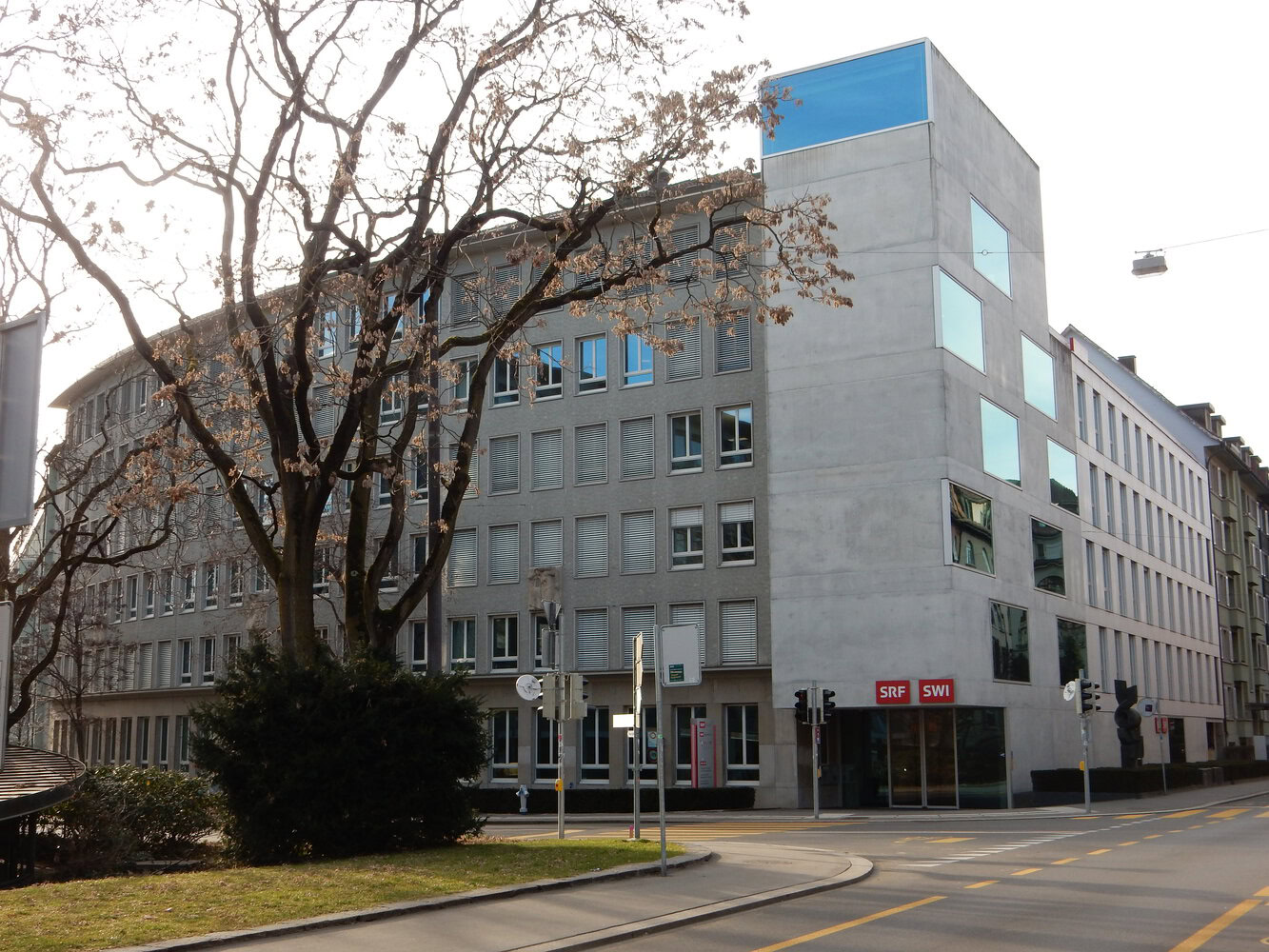
The SRG headquarters on Schwarztorstrasse in Bern. Photo: Wikimedia Commons

Radio Swiss Pop, Radio Swiss Classic, and Radio Swiss Jazz are changing hands: The first station is being acquired by CH Media, and the other two by Digris, as the SRG announced this week. The new owners have committed to maintaining the stations’ current musical and content focus—but only for two years.

For Sonart, the Association of Swiss Musicians, this is a bitter disappointment. «Just a few months after music creators campaigned with great dedication against the halving initiative and in favor of a strong SRG, they must once again accept cuts—of all things—to Swiss music,» Sonart writes in a press release. Two years, it says, do not provide sustainable security—they merely postpone the uncertainty. «Radio Swiss Pop, Radio Swiss Classic, and Radio Swiss Jazz are important platforms for the visibility of Swiss music,» Sonart emphasizes. The stations also generate direct revenue for musicians through Suisa and Swissperform.

Sonart is calling on CH Media and Digris to maintain the current requirement of at least 50 percent Swiss music even beyond the two-year guarantee period. As for SRG, Sonart expects it to «concretely compensate for the loss of these important platforms in its remaining radio, TV, and digital offerings and to create additional, lasting visibility for Swiss music.».

Gotthelf's Spider Sings, Dances, and Celebrates

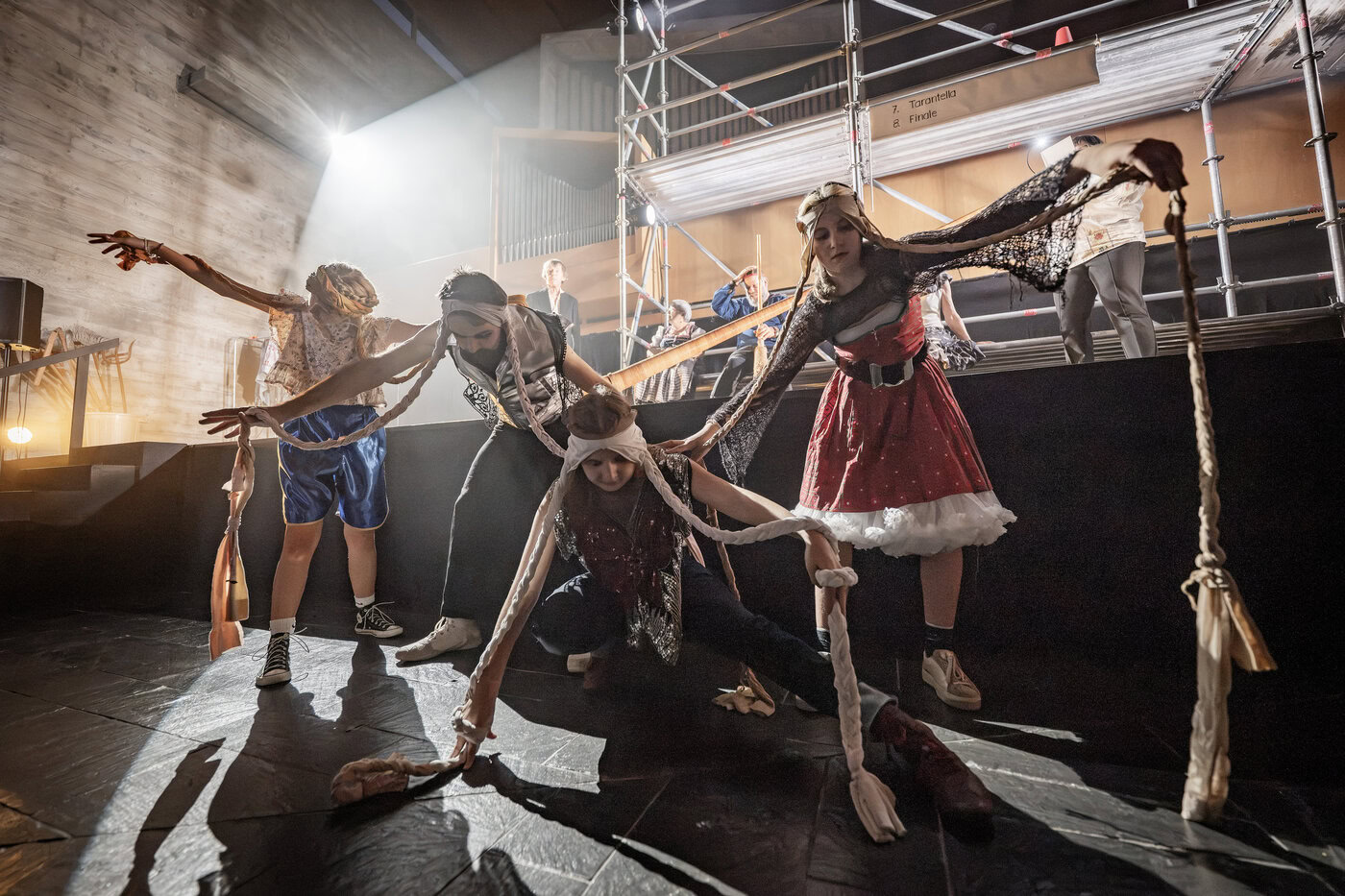
«Code Word: Spider» by the Biel Youth Theater brings together amateurs and professionals, seniors and children. Wednesday's premiere was met with enthusiasm.

Sometimes spooky, sometimes macabre yet cheerful: the dance numbers in «»Code Word: Spider". Photo: Joel Schweizer

It begins before it begins. An alienated Dies Irae and an installation featuring spider-themed motifs welcomes visitors in front of the venue. Next, still on the terrace in front of the entrance, come small, seemingly fragmented interludes and performances presented by a group of children, a folk dance duo, actors in spooky costumes, and a young man with a disability—all with and without music, performed live and played over speakers. The sound of Code Word: Spider is thus literally set.

«Community Opera» is the name of the production that premiered on Wednesday at «Manufacture: TOBS!» in Biel. It is the result of a collaboration between the Junges Theater Biel and the Bern University of the Arts, with Isabelle Freymond as director, Pascal Viglino as musical director, and Leo Dick as artistic director and composer. The term «Community Opera» usually refers to a work performed jointly by amateurs and professionals; the team from Code Word: Spider goes well beyond that. As the press release aptly notes, it «brings together people who would often not encounter one another in everyday life»: people with and without disabilities, an amateur orchestra of seniors, amateur actors of all ages—including several children—as well as some professional stage performers and instrumental soloists.

Music from folklore, the modern era, the Middle Ages, and film

The greatest possible diversity, then—which Leo Dick’s music certainly embodies. It combines folkloric elements from various sources with echoes of modernism, the Middle Ages, and film music. The unifying element is the village festival from The Black Spider by Jeremias Gotthelf. In the novella, the festival merely serves as a narrative framework for the inner plot, which makes up the main part of the book. In Code Word: Spider In contrast, the setting provides the backdrop for a longer series of performances that combine theater, opera, and dance. The sixth act serves as the climax. Village Theater Presentation, in which—as a sort of “play within a play”—a good portion of the plot from Gotthelf’s novella is retold.

Code Word: Spider It consists of a total of eight acts, which the audience can see listed on stage throughout the entire play: a clever directorial touch that makes it much easier to follow this work, which is structured in a very collage-like manner. Despite—or perhaps precisely because of—its heterogeneity, however, the outstanding ensemble ensures a sense of unity. The children in the cast deserve special mention; not only do they shine as performers, but they also switch effortlessly between French and German and back again. The enthusiastic applause from the premiere audience was likely directed—even more so than at the individual performances—toward the virtuosity with which age, educational, and other barriers were overcome here.

Additional performances on September 18, 19, and 20.

Festival Between Mountains: Between the Concert Hall and the Dance Floor

The Between Mountains festival took place for the second time in Hölstein, Basel-Landschaft. Classical soloists and ensembles shared the stage with live electronic acts and DJs.

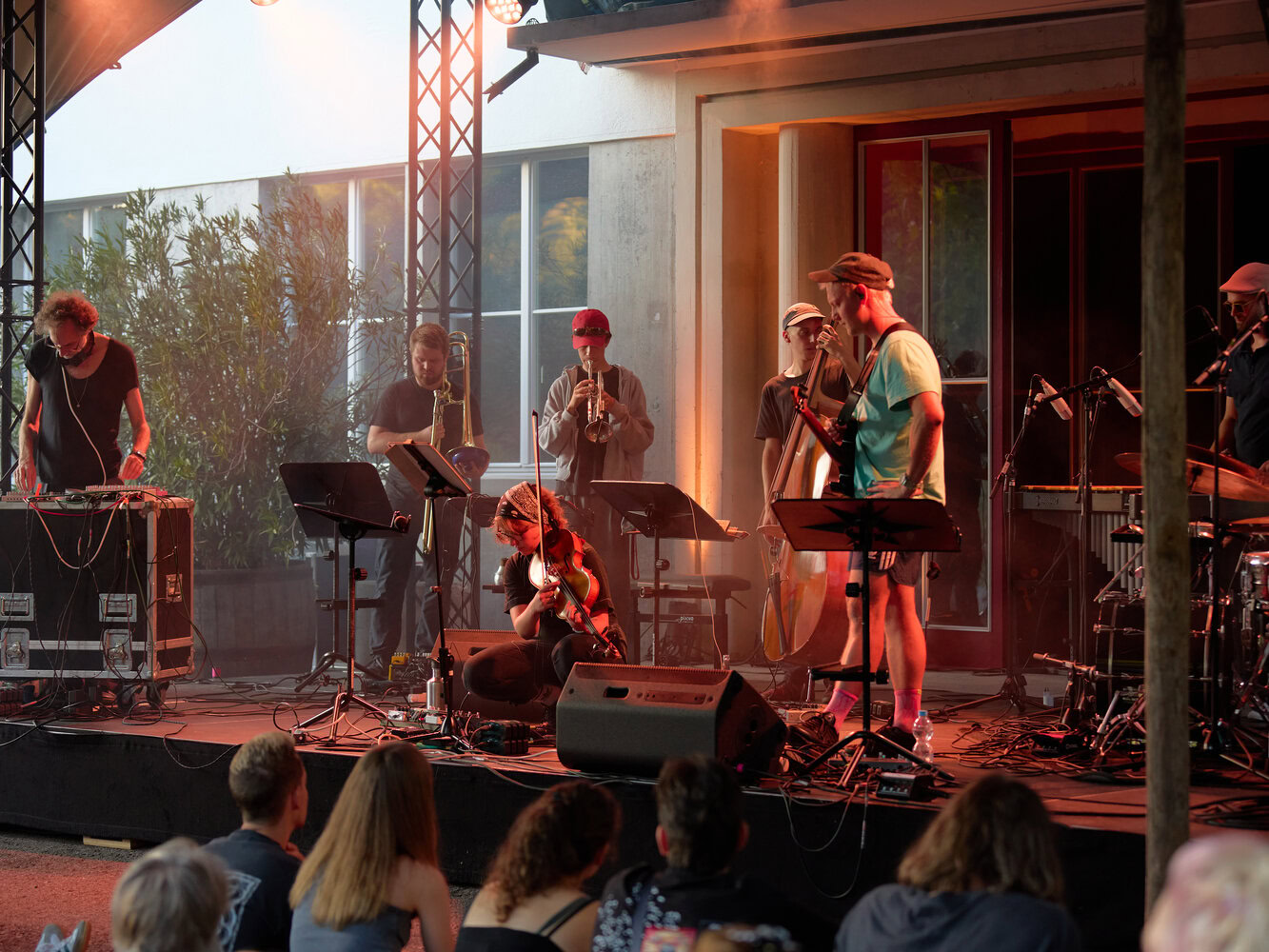
Open improvisation with a diverse group of artists: The Detect Ensemble together with Martin Gretschmann, also known as «Acid Pauli» (left). Photo: Ronja Burkard

The second edition of Between Mountains took place over three days, from September 4 to 6. Around 800 people visited the venue at Holdenweid near Hölstein, Basel-Landschaft; according to the organizers, twice as many tickets were sold compared to the first edition. Classical soloists and ensembles shared the stage with live electronic acts and DJs; Concerts in halls were just as much a part of the program as outdoor performances and shows in former sanatorium rooms. The various formats often followed one another in quick succession—first a piano recital, followed immediately by a dance floor in the garage area.

Between Mountains sees itself as the Swiss counterpart to the Detect Classic Festival in Berlin, which has been held since 2019 and seeks to forge connections between classical music, electronic music, and other musical scenes. At Holdenweid, people eat, chat, and dance between concerts; there is a deliberate lack of clear separation between the concerts and the festival atmosphere.

Other Approaches to Music

Baldur Brönnimann, who is jointly responsible for the classical program segments, describes the idea behind this as a search for different ways to approach music. He says interest in classical music is by no means low. Many people listen to it today via streaming services and their own playlists, but still do not attend concerts.

Brönnimann sees an interesting overlap precisely here: people who might well be interested in this music, but for whom the traditional concert setting presents a barrier. «That’s actually kind of the basic idea: that there’s a door,» he says. At Holdenweid, this door is meant to be left as wide open as possible.

The audience moves between the different rooms and, in doing so, encounters music they might never have sought out on their own. For Brönnimann, however, it’s not simply about combining electronic and classical music. Rather, the key is to make the categories themselves less important. Ideally, one shouldn’t even stop to think about whether what one is listening to is new or old, classical or electronic. In the best-case scenario, it’s simply music.

Franz Liszt with Cowbells

The program demonstrated time and again just how differently this concept can play out in practice. The Valais-based pianist and composer Beatrice Berrut performed twice: first outdoors in daylight, and later in one of the indoor venues. Her two performances thus took place under different conditions and made it clear just how much the perception of a concert is shaped by the specific space. A flawlessly performed piece by Franz Liszt, played on a small festival stage with cowbells in the background, suddenly becomes a truly unique auditory experience. In her diverse program, Berrut brought together Mahler arrangements, pop classics, and original compositions of her own in surprising ways.

The Baselland Youth Chamber Orchestra also made its own mark. The very young musicians performed several times—sometimes alongside a featured artist like trumpeter Simon Höfele—and came across as remarkably self-assured. Other performances also seemed to fit seamlessly into the open-ended nature of the format. The performance by Los Sara Fontan was one of the festival’s highlights, as was that of AFAR & Kai Schumacher. Here, the sense of naturalness that the festival seeks emerged: music did not first have to be defined by its stylistic affiliation but was able to assert itself in the moment and space at hand.

The joint performance by Acid Pauli and the Detect Ensemble particularly highlighted just how different expectations for such a collaboration can be. The combination of an electronic artist and a classically trained ensemble initially suggested a pointed musical interplay. The concert then unfolded primarily as an open improvisation, in which Acid Pauli gave the ensemble plenty of space and kept his own presence relatively low-key.

Please, more of that!

For Brönnimann, this experimentation is about more than just a few successful or less-than-successful concerts. An openness to new ideas also shapes his work with young conductors in the Contemporary Conducting program at the Lucerne Festival Academy. Classical music education is still heavily influenced by tradition, he says. This makes places where not everything is set in stone and new ideas can be tested all the more important. Classical music has always fascinated him, Brönnimann adds. At the same time, it has sometimes struck him as a «closed society.» That’s why he’s now trying to create spaces for different experiences: «Our ultimate goal is actually for you not to even notice what you’re hearing.»

Between Mountains consistently pursues this goal, even if the various musical worlds don’t always mesh quite as naturally as one might expect. At Holdenweid, different audiences and listening habits come together—what emerges from this remains to be seen. And when, at the festival’s close, the cello of Dobrawa Czocher echoes through the surrounding forests of the Basel region, one is tempted to say: please, more of that.

A Wonderful Discovery of Musical Artifacts in the Upper Engadine

The Upper Engadine Cultural Archive in Zuoz houses one of the largest private collections of 18th-century instrumental sheet music in Switzerland. It has since been cataloged for RISM (Répertoire International des Sources Musicales).

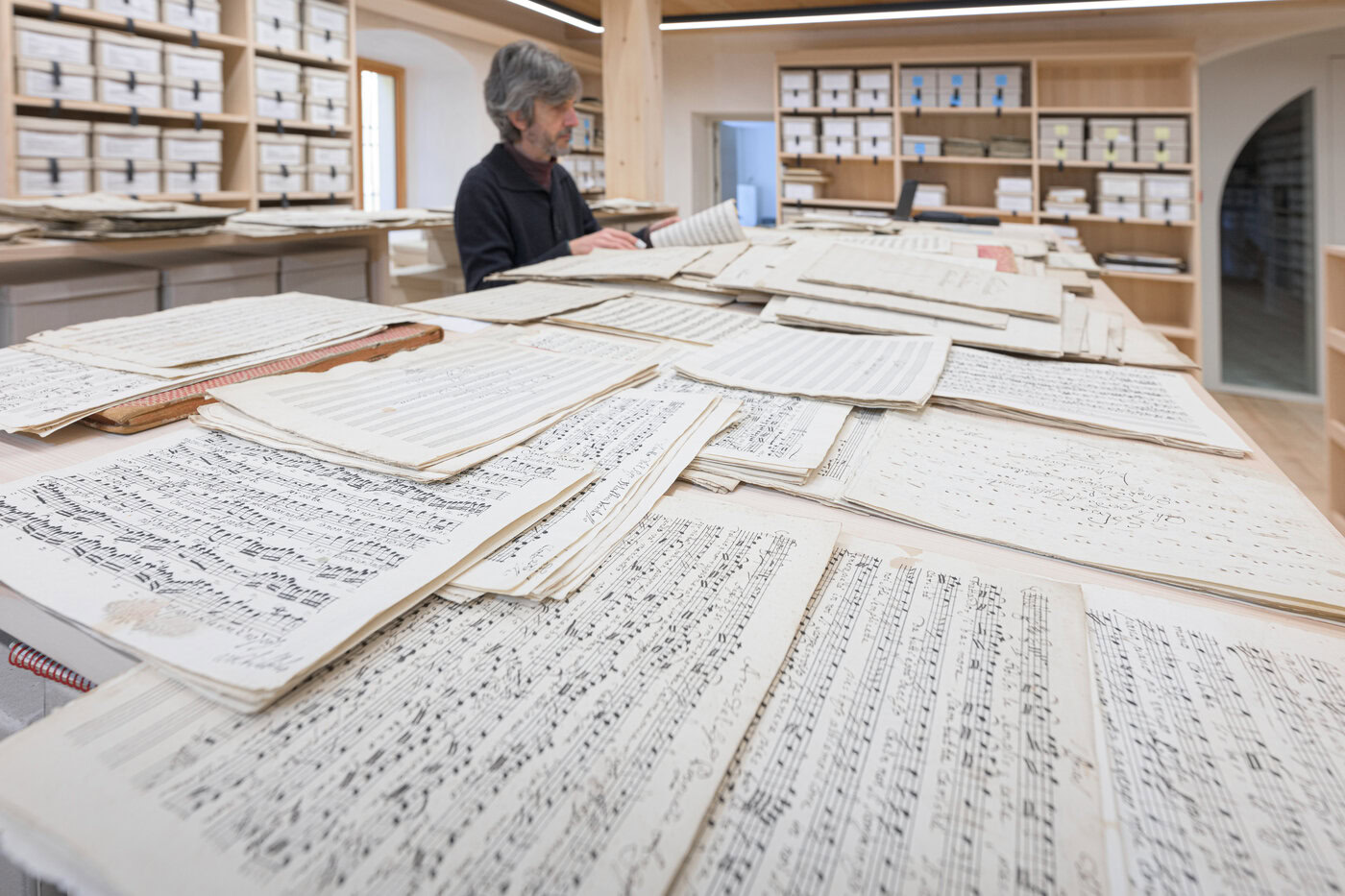
Claudio Bacciagaluppi organizing sheet music at the Upper Engadine Cultural Archive in Zuoz. Photo: Gian-Nicola Bass

In addition to the Chesa Planta in the village center, the Chesa Poult—with its tower-like central section and two side wings—is particularly striking to visitors in Zuoz. The tower house passed into the possession of General Gian Battista Planta in the 18th century, and then, around 1762, into that of Jachem Pult, whose father, Cla, was married to the general’s sister. Both Gian Battista Planta and Cla and Jachem Pult served in the military in the Netherlands, where they held high-ranking positions. There were several reasons for their involvement in the Grisons Companies of the Netherlands, founded in 1693. In addition to religious and political affinities with the Three Leagues, it was above all the colonial trade opportunities offered by the maritime power—centered on port cities such as Amsterdam—that promised the accumulation of considerable wealth.

Following the sale and renovation of Chesa Poult, Mathias Gredig and Kurt Gritsch were commissioned in the fall of 2023 to transfer historical written documents to the Upper Engadine Cultural Archive (KAOE). Contrary to expectations, there were only a few written records related to mercenary service in the building. However, numerous sheet music scores from the Pult military family were scattered throughout several rooms and boxes, and together they formed a sizeable music library. Furthermore, an old transverse flute was hidden in the barn beneath pieces of wood and hats.

The music library was organized and cataloged this year by Claudio Bacciagaluppi and is now fully accessible through the RISM and KAOE cataloging systems. With 281 bibliographic entries —with each entry typically comprising a collection of musical works—it ranks among the largest private Swiss music libraries of the 18th to early 19th centuries, alongside that of Lukas Sarasin at the University Library of Basel and that of Queen Hortense de Beauharnais at the Napoleon Museum Arenenberg. However, in terms of its repertoire, its selection of genres and instrumental ensembles, its provenance, and the high number of printed works (66 items) as well as unknown musical pieces, the Zuoz Music Library represents a unique case in the Swiss music landscape.

Music from the Grisons Regiment in Maastricht

Apart from a few collections from the 19th century and the Baroque period, as well as two Romansh psalm songbooks and a fragment of the A Brief Introduction to Music (1554) by Johannes Frisius; the Pultsche music library consists mainly of secular works from the second half of the 18th century: chamber music pieces, dances, symphonies, and concertos, as well as opera arias for soprano and orchestra.

The arias—by composers such as Pasquale Anfossi or Giuseppe Gazzaniga—were copied, presumably in Switzerland or southern Germany, onto paper manufactured in Basel and primarily point to music from Venetian opera. Major Jachem Pult had acquired them, along with numerous duets for two flutes and two violins or for unusual instrumentations such as two bassoons, two clarinets, or cello and bass. Furthermore, Jachem Pult purchased several printed musical works, likely often in the Netherlands itself. This is indicated by works by composers such as Friedrich Schwindl, specific places of publication, or the stamp of a music store in The Hague. In addition, the major appears on a list of subscribers that an organist at the Servaasbasiliek in Maastricht had compiled for the arrangement of a trio collection by Luigi Boccherini. For the officers of the Grisons companies stationed in Maastricht, it was advantageous to continue practicing the violin or flute during the winter break in order to gain easier access to the aristocratic elite through their musical talents.

Music of the Herrnhut Pietists in Neuwied

Nicolo Pult acquired even more musical works than his father, Jachem. In Neuwied, near Koblenz, for example, he apparently purchased in a single transaction a collection of printed and handwritten chamber music from the Mannheim School, as well as from Germany and Bohemia. According to a note on the title page of printed harpsichord sonatas by Johann Christian Bach, Nicolo obtained sheet music from the Moravian Church as early as 1773, when he was eleven years old.

Like other children from the Engadin in the second half of the 18th century—including, not infrequently, those from the so-called nobility (Albertini, Frizzoni, Perini, Planta)—Nicolo was presumably also sent to Neuwied to study German and music. The Herrnhut Pietists were avid practitioners of chamber and orchestral music, and this may also have been connected to the music-loving Bohemian-Moravian diaspora. Another portion of the sheet music collection—mostly arranged for keyboard instruments, though some also for the harp—came from the estate of Uorschla Perini of S-chanf, Nicolo’s third wife.

The Chesa Poult music library contains a surprising number of unknown pieces by well-known and, in some cases, lesser-known composers. These works will be performed for the first time in the summer of 2028 in Zuoz as part of the Engadin Festival.

Mathias Gredig conducts research at the University of Basel and works for the Upper Engadine Cultural Archive in Zuoz. Claudio Bacciagaluppi is a staff member at the RISM Digital Center in Bern.


References:

Bundi, Martin, Grisons Military Service in the Netherlands around 1700: A Study of Relations between the Netherlands and Graubünden from 1693 to 1739, (= Historia retica series, vol. 3), Chur: Calven Verlag 1972.

Finze-Michaelsen, Holger (ed.), Gian Battista Frizzoni (1727–1800). An Engadin pastor and hymn writer during the Age of Pietism. In collaboration with Gion Gaudenz-Ganzoni and Hans-Peter Schreich, Chur: Bündner Monatsblatt Publishing House, 1999.

Kaiser, Dolf, Compatriots in Foreign Lands. A Study of Documentation on Emigration from Graubünden—with Special Reference to the Engadine and Surrounding Areas, Samedan: Stampara engiadinias S.A., 1968.

Kaiser, Dolf, «Genealogia Pult/Poult. Famiglia da Sent, Zuoz branch,» in: Kulturarchiv Oberengadin, ref. 29.9.2017, box 18.

Graubünden Cantonal Office for the Preservation of Historic Monuments (ed.), Zuoz. Inventory of Historic Buildings in the Town Center of Zuoz: From the Early Days to Around 1920, Chur: Graubünden Cantonal Office for the Preservation of Historic Monuments, 1993.

Kopp, Peter, «The Moravian Church and Its Music: From Herrnhut to the World—and Back,» in: herrnhuter. Journal of the Moravian Church in Switzerland 23 (2022), pp. 2–4.

Register of the Names of Military Officers, the Captain General, and the Field Marshal. Generals, Lieutenant Generals, Major Generals, Colonels, Lieutenant Colonels, Majors, Captains, Lieutenants, and Sergeants of the Cavalry, Dragoons, Infantry, Artillery, Engineers, Miners, etc. On the Troops of the United Provinces […] in the Service of Her Highness. Revised and Improved for the Year 1779, Leiden: Hendrik van der Deyster, 1779 [Copy in: Upper Engadine Cultural Archive, ref. no. 30.10.2023].

Planta, Peter Conradin von, Chronicle of the von Planta Family. Along with Various Accounts from the History of Rhaetia, Zurich: Orell Füssli, 1892.

Schmidt, Töna, The Old Women of Sent, Sent: Sent Municipal Archives 1998.

He wanted to make music visible

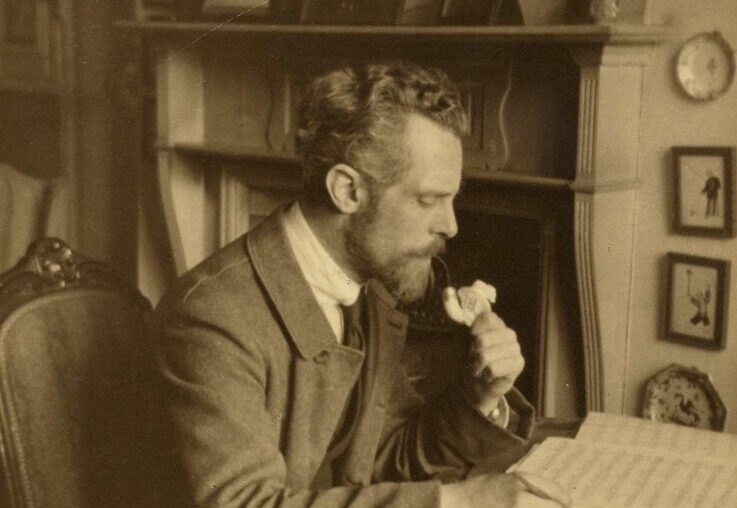
Conductor, concert promoter, and a decidedly outspoken music educator: An obituary for Armin Brunner, who passed away on August 12 at the age of 93.

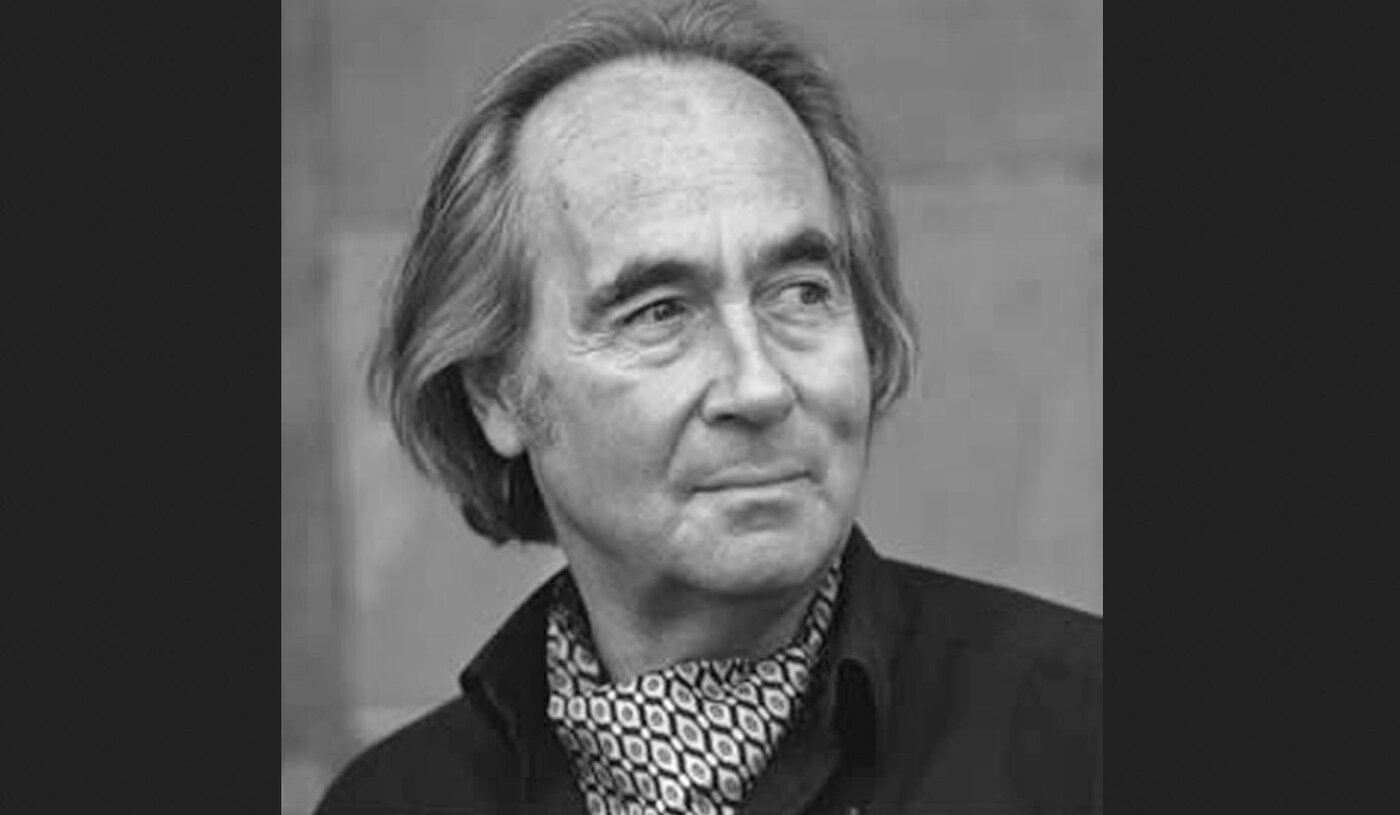
Armin Brunner (1933–2026). Image: Wikimedia Commons/Anthropogen anthropogen

People wandered through the building while different music played simultaneously in every room. Anyone who wanted to listen had to make a choice. The event was called «3×5 Hours of Music»; it was one of those inspiring and stimulating events with which Armin Brunner shook up the music scene in the 1970s. Consumer behavior was challenged, listening habits were called into question, and the concert format was broken up—in a manner that was as witty as it was provocative. New and older music sometimes interacted with pop—a consequence of the turbulent 1960s. Brunner wasn’t one for reverent, contemplative immersion in the “absolute musical.” These were important influences for our generation as well—we were young back then and made a pilgrimage to these events.

Born in Zollikon in 1933, Brunner had studied at the Zurich University of the Arts. He soon became an assistant to Hans Rosbaud at the Zurich Opera House, one of the leading conductors of contemporary music at the time. Brunner was interested not only in the new, but also in the theatrical—or, more broadly, in the connection between music and the visual. After gaining experience with chamber operas, he founded the Musikszenische Studio Zürich in 1971, which he directed until 1983. At the same time, he championed the unconventional. For example, he directed Hans Werner Henze’s show The Long Journey to Natascha Ungeheuer's Apartment in which a wrecked car served as a percussion instrument.

He then moved to Deutschschweizer Fernsehen, where he headed the «Music and Ballet» department from 1979 to 1998. Never before and never since has there been such a flurry of activity there when it came to classical music. It was a time of new beginnings and experimentation. Directors such as Fred Bosman, Peter Schweiger, and Werner Düggelin produced unconventional music films; the latter, for example, created an impressive St. John Passion. A series of ballets by Heinz Spoerli was created. Mauricio Kagel, one of Brunner’s leading influences in his approach to music and media, created magnificent music films.

Innovative Collaboration with Adrian Marthaler

Above all, however, the innovative productions with Adrian Marthaler became a huge success even beyond the country’s borders: concert life was interpreted and reimagined in ways ranging from critical to parodic. Classical works were presented in a modern context. Gershwin’s Rhapsody in Blue For example, one was set in a bar. Later, however, «more serious» film adaptations of Mozart’s works followed, as well as an epic film version of Mahler’s Sixth Symphony. Swiss television hasn’t shown any of this in a long time, even though it ranks among the most glorious creations in its history.

Brunner, who had long directed the Frauenfeld Oratorio Choir, also wanted to explore the great works of church music. Thus, he produced a total of 21 «Musical Meditations,» in which critical contemporaries «preached» on a classical work, as it were, from the pulpit. Wolfgang Hildesheimer, for example, expressed heretical thoughts on Mozart’s Requiem: «Lord, do not grant them eternal rest!» He was followed by writers and theologians such as Dorothee Sölle, Günter Wallraff, Hans Küng, Peter Bichsel, Martin Walser, Wolf Biermann, and Adolf Muschg.

After all, Brunner had a particular fondness for silent films: famous examples such as Nosferatu, Battleship Potemkin or Metropolis He set it to music—though not by composing new music for it, but by compiling existing works and setting them to the images. Over time, a sense of distrust toward the elitism of New Music also became apparent in this work. Over the years, Brunner grew suspicious of music that refused to be accessible. He regarded Arvo Pärt as a shining counterexample.

He was fascinated by the connection between the ear and the eye

As concert manager for the Migros-Klubhauskonzerte, he continued his work as a cultural mediator after his time in television. After eight years, he concluded this chapter with a “co-creation” concert—the diverse program for the final concerts was determined based on a questionnaire. During those years, however, he also revived the unusual concert formats of the past, albeit on a much larger scale. As early as 1990, he had created a large-scale “Sonoptikum” for the Alte Oper Frankfurt. There, too, the focus was once again on the connection between the ear and the eye—the theme that fascinated and drove him until the very end.

Armin Brunner passed away on August 12; he was a critical thinker who, incidentally, also valued a critical spirit in others. He viewed the decline of music criticism in recent decades as a great loss. In fact—and this is a sad realization—much of what he created is hardly conceivable today, especially on television.

Shostakovich's third wife

Journalist Elena Yakovich interviewed Irina Antonovna, whose accounts shed a nuanced light on the events of the composer’s final years.

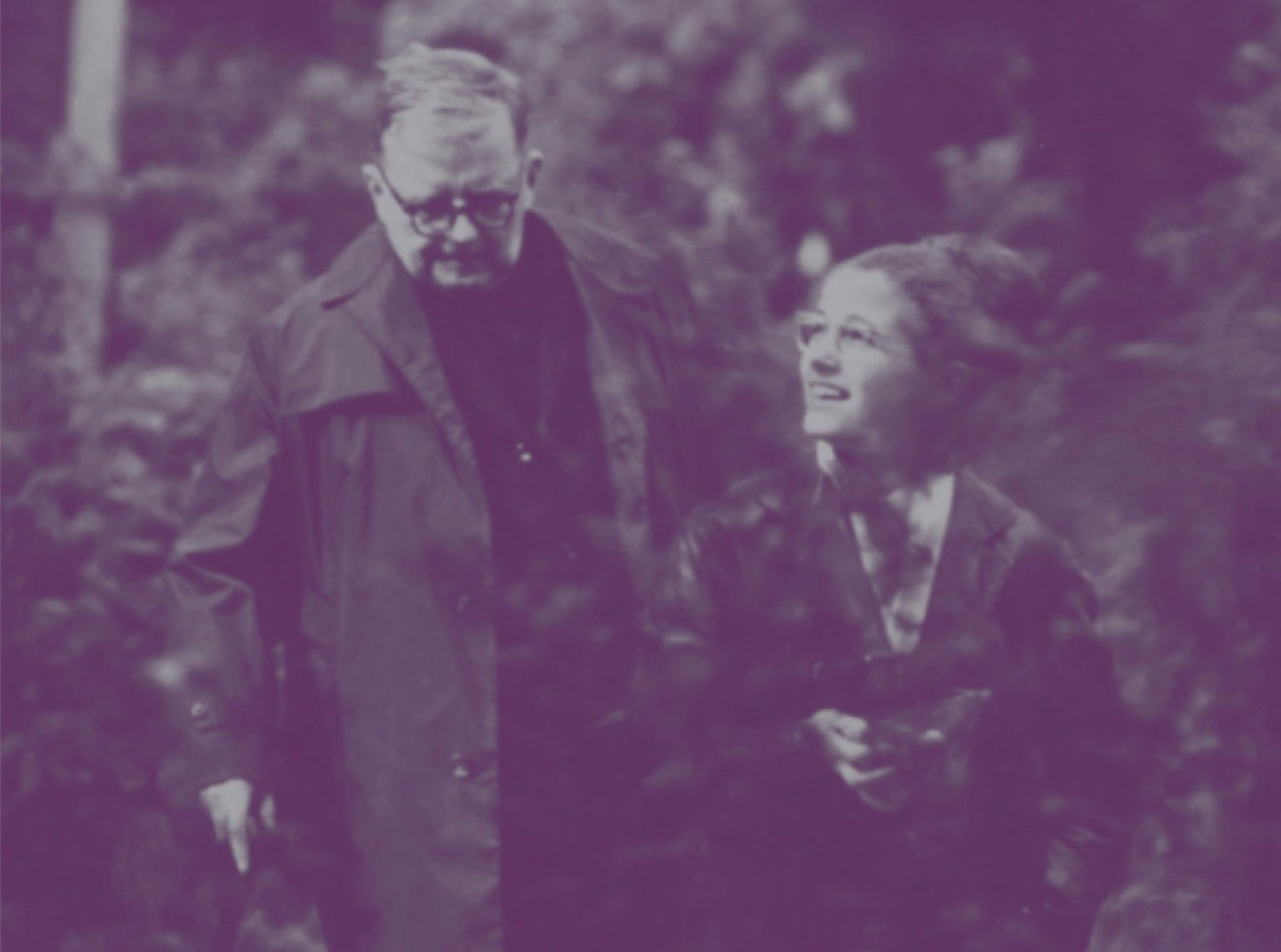
Composer Dmitri Shostakovich with his wife Irina, who is 28 years his junior. Photo: Courtesy of the publisher

This slim volume sparks interest in the final period of Shostakovich’s life, which is arguably the least well-documented. His third wife, Irina Antonovna—28 years his junior—was by his side for the last 13 years of his life. Even today, at the age of 91, she is still working on his estate. That is why it is worth reading these conversations with her, conducted by Russian journalist Elena Yakovich in 2021, which also touch on the background story in a few sections.

Irina was three years old when her father was arrested by Stalin’s henchmen and sentenced to eight years in prison; her mother died that same year. Her descriptions of her childhood in blockaded Leningrad, which was under siege for more than two years, are striking. The fact that, as a seven-year-old orphan, she came to live in the house where the composer Shostakovich resided was a strange coincidence that repeated itself twenty years later when, as a literary editor at the Soviet Composers’ Publishing House, she edited libretto texts and attended meetings where Shostakovich was also present. She was then commissioned to write the libretto for his operetta Moscow, Cheryomushki (Op. 105, 1958) and, if necessary, to correct it.

An Unromantic Marriage

Irina recounts how they got married in 1962 in a reserved manner, without romanticizing the story. For her, it was a realistic, unpoetic, and strictly professional relationship, the emotional side of which she only gradually came to realize. She attended several world premieres with him and thus also experienced the difficulties surrounding the 13th Symphony Babi Yar. For the «Thaw»—the period of Khrushchev’s de-Stalinization campaign—was coming to an end. The years leading up to Shostakovich’s death were once again marked by Stalin-like repression. Irina was now a patient source of support to him in his daily life, which was hampered by heart attacks and falls but nevertheless burdened by public duties, travel, and performances.

Some events described in the scholarly literature are clarified through the statements contained herein—such as the forged signature on the open letter from Sakharov’s opponents. However, she never puts herself in the spotlight and, since Dmitri’s death in 1975, has been working tirelessly to organize his estate and to bring about a complete edition of his works.

Elena Yakovich: Just the Two of Us. Irina Antonovna Shostakovich – My Life with Dmitri Shostakovich, 120 pp., €20.00, Jaron, Berlin 2025, ISBN 978-3-89773-185-1

How Sebastian Nordmann Brings Music to the Streets of Lucerne

The Lucerne Festival runs through September 13. The opening was marked, among other things, by unusual formats with which the new artistic director hopes to attract new audiences.

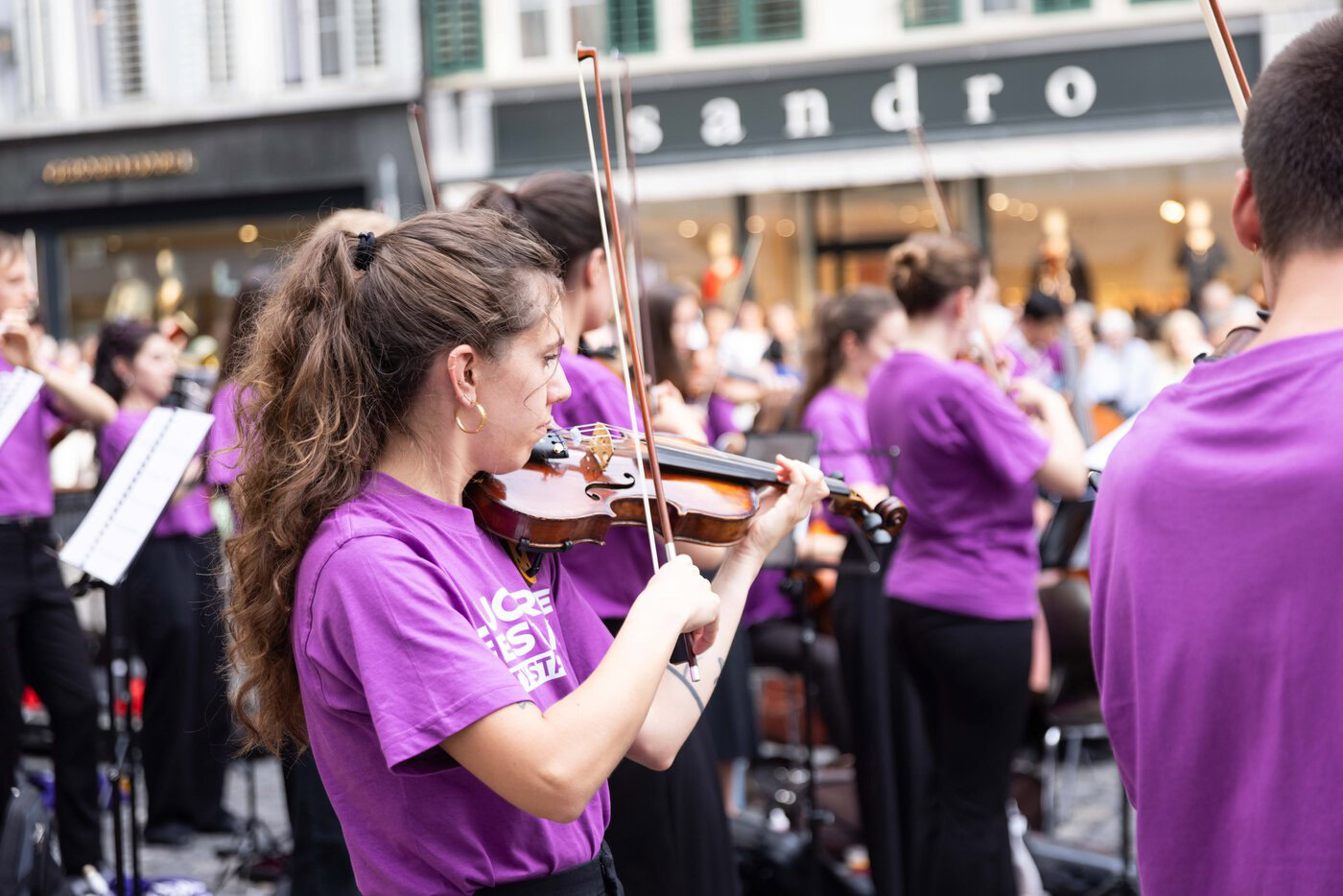
At the «Symphonic Jukebox,» the musicians play pieces chosen by the audience. 
Photo: Manuela Jans/Lucerne Festival

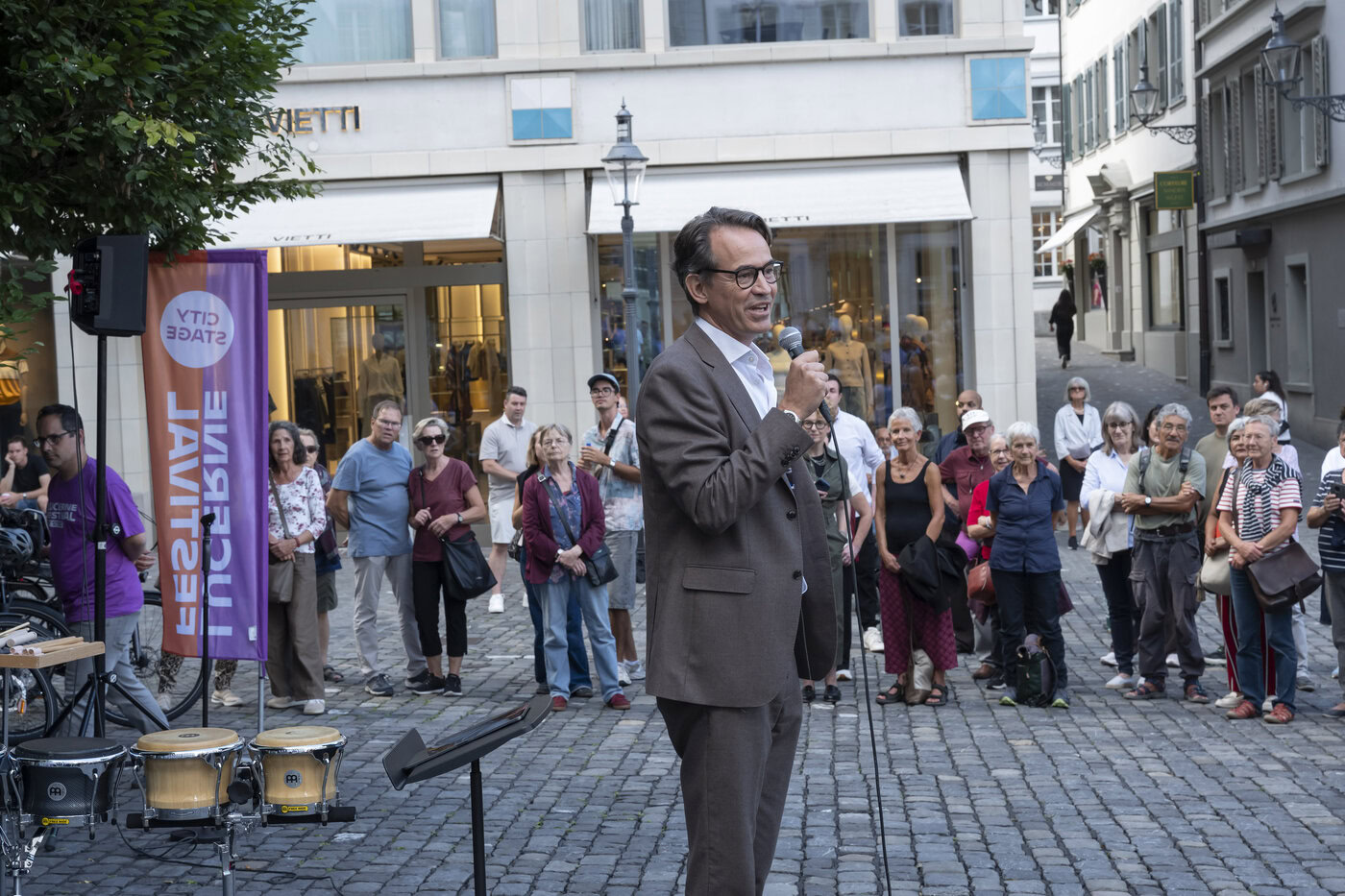
In Lucerne’s Old Town, you can hear muffled beats. «Is that a tower clock?» a tourist asks the person she’s with—and continues on toward the Weinmarkt. Curious onlookers flock to the square from all sides, where a circle of people has already formed and a drummer is tuning his bongos. Two vibraphones and two marimbas are also set up on the pavement. The free concert, part of the newly conceived «In den Strassen: City Stage» festival, is ready to begin.

The new artistic director, Sebastian Nordmann, wants to bring the Lucerne Festival even more into the city. The four young participants of the Lucerne Festival Academy manage to captivate passersby at the Weinmarkt. People pull out their cell phones, and some start moving to the groovy, rhythmically shifted sounds of Steve Reich’s Mallet Quartet.

A few blocks away on Kapellplatz, the experience gets even more interactive. At the «Symphonic Jukebox,» listeners can choose from over 30 songs, which are then performed live by the Lucerne Festival Contemporary Orchestra. Popular pieces such as the waltz from Shostakovich’s Jazz Suite resonates just as much as the rhythmically complex Short Ride in a Fast Machine by John Adams. Conductor Joseph Sieber briefly explains the selected pieces and occasionally offers commentary during an excerpt from Jupiter by Gustav Holst's The Planets hand the baton to a volunteer.

At the Schirmerturm, «sound gardener» Andres Bosshard welcomes a group of twenty for a «Sound Walk.» Together, they listen to the rain, press their noses against the Musegg Wall while humming, learn about the positive social impact of the «Murmelstrom,» and are impressed by the echoes produced, which even make the cows grazing on the neighboring meadow flinch.

Beethoven, as perceived in the 18th century

With this new awareness, you descend the stairs toward the city with a changed perspective. And you savor the subtleties that can be heard in the Royal Concertgebouw Orchestra Amsterdam’s concert at the packed KKL. The orchestra’s interpretation of Beethoven’s Piano Concerto No. 5 in E-flat major is airy. The strings play with little vibrato, and the timpanist uses wooden mallets. Icelandic pianist Víkingur Ólafsson, who is curating the new Pulse Festival in Lucerne this spring, also approaches Beethoven from an 18th-century perspective—in the cadenza, he makes the Steinway grand sound almost like a fortepiano. The strings’ pizzicatos are perfectly executed; indeed, the Amsterdam orchestra delights with its flawless ensemble playing. Ólafsson plays the Adagio with a completely ethereal touch. He then floods the finale with energy and, even if not every triplet opening is technically flawless, transforms it into a rousing dance through his close interplay with the orchestra.

In Sergei Prokofiev’s Symphony No. 5, which premiered in 1945, the Royal Concertgebouw Orchestra, under the baton of Finnish guest conductor Santtu-Matias Rouvali, presents itself as a vibrant ensemble in which the individual instrumental sections are perfectly interwoven. In the second movement, the contours become more jarring and the rhythms sharper—the Adagio is filled with tension and urgency. Only when the violins play in the upper registers in a highly exposed manner, as they do here at the beginning of the movement, is the intonation slightly off.

Hadelich, the Aesthete of Sound

The Berlin Philharmonic also features a rarely performed Russian composition on its program: Alexander Scriabin’s Symphony No. 3 in C minor, Op. 43. How the orchestra shapes this richly textured, complex, and at times bombastic orchestral work—as in the sensuous second movement— Voluptés It’s exhilarating to hear the woodwinds chirp like birds and the brass create emotional peaks. Principal conductor Kirill Petrenko draws the extroverted out of the introverted, using his left hand to maintain balance and his right to ensure musical flow. Unfortunately, the tutti entries following the general rests and the chord changes at the end of the first movement aren’t quite in unison.

In Beethoven’s Violin Concerto, too, the woodwinds« first entry sounds a bit clattery—but then the orchestra settles into a warm sound, fully resonating through the strings, and a flowing pulse. And it lays down the foundation upon which Augustin Hadelich enters the scene on the violin with delicate octaves. This year’s »artist in residence” at the festival is a master of sound aesthetics. Not a single bow change can be heard; every figure is played out in full. The Berlin Philharmonic follows him closely, giving him room to unfold. In the Larghetto, Petrenko has the muted strings play extremely softly, while clarinetist Wenzel Fuchs and bassoonist Stefan Schweigert conjure up a cantabile quality—and Hadelich refines the melody with artful ornamentation.

Sebastian Nordmann, Artistic Director of the Lucerne Festival. Photo: Lucerne Festival / Priska Ketterer

A total of 20 orchestras will perform at the Lucerne Festival over the course of a month. With 12 world premieres, the new artistic director, Sebastian Nordmann, is continuing the work Michael Haefliger has been doing for many years. He hopes to attract new audiences with a more pop-oriented brand, new formats such as «Mittendrin,» where the audience sits on stage, and free events like the Open Air at the start of the festival.

With Jörg Widmann to the limits of audibility

Nordmann has appointed Jörg Widmann—a charismatic composer who succeeds the late Wolfgang Rihm as director of the Lucerne Festival Academy—to the position; Widmann is also active as a conductor and clarinetist—a fact that was particularly evident during the Academy’s fourth concert. Together with the Lucerne Festival Contemporary Orchestra and the SWR Experimental Studio in Freiburg (sound direction: Michael Acker, Joachim Haas, Daniel Miska), Widmann, under the baton of Peter Rundel, About by the French composer Mark Andre, created from the breath, features delicate harmonics and soft clarinet tones at the very limit of audibility.

The world premiere of Tongue of the Land (Roche Commissions) by Australian composer Liza Lim is met with a standing ovation. The rediscovered, reconstructed Celtic instrument, the carnyx (soloist: Marco Blaauw), takes center stage in this sensual, theatrical composition. With its rousing performance, Doctor Atomic Symphony John Adams« work also reflects this year's theme, »American Dreams"—which has been the subject of much discussion in the run-up to the concert—in the Academy concert. A composition that critiques the atomic bomb? That, too, is possible in American music.

Lucerne Festival, through September 13. www.lucerne-festival.ch

Wounds, wrapped up warm

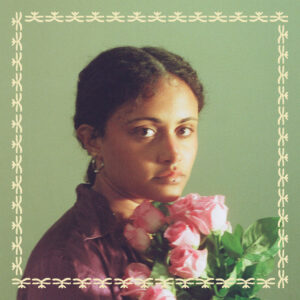
On their third album, the Basel-based trio Malummí stays true to folk and indie pop, but presents a more personal side. The nine tracks weave raw vulnerability with comforting sounds.

The Basel-based band Malummí. Photo: Courtesy of the band

Malummí, the trio founded in 2018, stands or falls with Larissa Rapold. The frontwoman is responsible not only for songwriting but also for her soothing vocals. The lineup is rounded out by multi-instrumentalist Giovanni Vicari, who also serves as the album’s producer, and drummer Lucas Zibulski. With "Damaged By Their Silence", On their third album, the band—named after an imaginary island retreat—remains true to its sound, which blends indie-folk and dreamy pop, and enriches it with deeply personal lyrics. While there was still room for improvisation on their last album, the sound now feels less playful and more focused.

Closeness and Distance

As a result, the nine songs come across as raw and confrontational at times, and calm and airy at others. The album begins with the drawn-out Therapist, a ballad that is as melancholic as it is fragile, with sparkling rhythms and unflinching lyrics delivered with great warmth. The pleasantly humming song Silent Baby, which tells of the parents' worries and the ever-shifting balance between distance and closeness, reveals the singer's otherwise well-hidden rebellious streak. No less direct is the following Adrian. His soft rock sometimes draws inspiration from Joe Dassin's classic chansons Indian Summer —especially since both songs evoke feelings of longing. The three band members prove they also have a soft spot for cinematic pop with the 56-second-long Consumption, which reads like a brief but nearly perfect blend of a 2026 diary entry and Judy Garland's musical classic Over the Rainbow sounds like it's from 1939.

The bottom line? With Damaged by Their Silence With *Malummí*, the artist has created a work that counters omnipresent vulnerability with inner strength and poise. The result is subtle, multi-layered, and downright moving.

Malummí: Damaged By Their Silence. Mouthwatering Records

Experimental Flute Studies

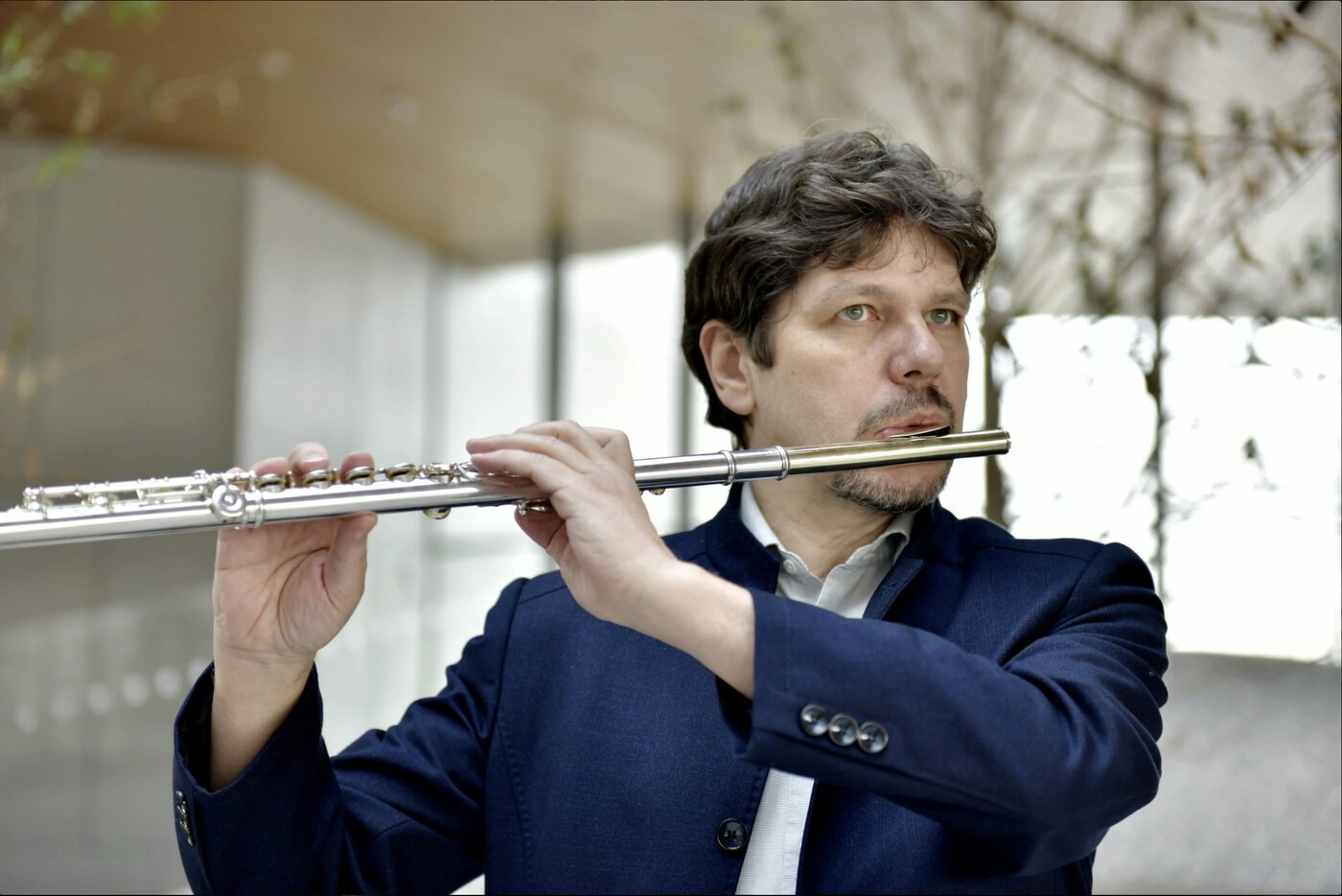
In the two volumes of his «Flute Expedition,» Gergely Ittzés introduces players to advanced playing techniques and unusual sounds. He also builds a bridge to the traditional repertoire.

Gergely Ittzés. Photo: Courtesy of the source

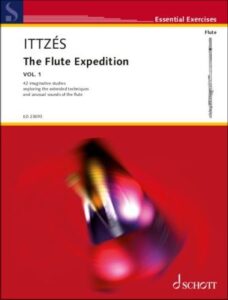
The Flute Expedition by Hungarian flutist Gergely Ittzés contains a collection of contemporary etudes designed to encourage exploratory play on the instrument. Particular attention is paid to sounds and playing techniques that, while not part of classical flute playing, are nonetheless part of the instrument’s overall sonic spectrum. With 42 imaginative miniature studies in two volumes, Ittzés offers a step-by-step introduction to techniques such as multiphonics, special breathing effects, glissandos, microtonality, and unusual timbres that push the boundaries of what is possible on this instrument. Each piece includes detailed explanations and notation notes in a comprehensive key.

Ittzés conceived The Flute Expedition as a bridge between traditional flute technique and modern/experimental playing. As he notes in the preface, thanks to this approach, players also gain knowledge that will benefit them—directly or indirectly—when performing traditional works. Rather than treating «normal» and «extended» sounds separately, the work presents them as part of a unified musical language.

«An unusually large number of moves»

The first volume introduces new playing techniques and includes, for example, No. 2 Overtone Prelude and No. 5 Ear-breaker, that alternate between overtones based on the same or different fundamental tones. No. 24 Elegy in C is also based on overtones—those above low C—and uses only intervals that lie within the harmonic structure. In No. 7 Tapping and Plucking Various flutter and pizzicato effects are used. No. 10 is an interesting combination Gregor's Chorale, where voice and «pseudo-multiphonics» are used in octaves to create polyphonic lines reminiscent of Gregorian chant. No. 28 Tremor is dedicated to timbral trills and makes use of microtonal trills and flutter tonguing, while No. 29 Gills introduces the technique of circular breathing.

The author strongly recommends that players not begin the second volume until they have worked through the first volume, as not all explanations are repeated. The second volume requires a transverse flute with open holes and a B-flat footjoint. As he himself writes, Ittzés uses «an unusually large number of fingerings» and several types of fingering notation: in addition to numerical fingering notation, he also employs acoustic fingering notation and graphic fingering notation. Both volumes are suitable for advanced flutists as well as composers seeking to explore the instrument’s sonic possibilities.

Gergely Ittzes, *The Flute Expedition*, 42 imaginative studies exploring extended techniques and unusual sounds on the flute; Vol. 1, Nos. 1–21, ED 23693; Vol. 2, Nos. 22–42, ED 23843; €29.00 each, Schott, Mainz

An extensive, little-known body of organ music

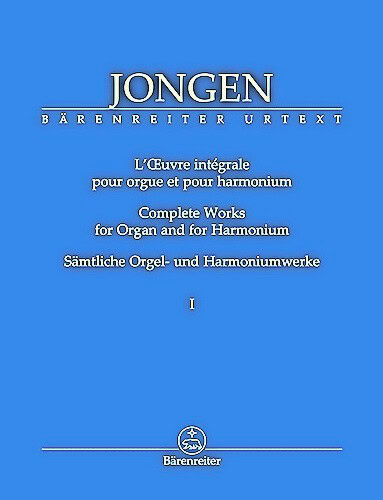
Among the composers of the first half of the 20th century, Joseph Jongen is not one of the best known. John Scott Whiteley has now published the Belgian composer’s works for organ and harmonium in three volumes.

Belgian composer and organist Joseph Jongen. Photo: Royal Conservatory of Brussels

Even though his heavyweight Heroic Sonata (1930) or the Toccata (1937) occasionally appear on organ concert programs, or—with a little luck—one might even hear his Symphonie concertante (1926) for organ and orchestra in a concert hall: The majority of the Belgian composer's works for organ Joseph Jongen (1873–1953) is likely known to only a few specialists. Thanks to this three-volume complete edition, exemplarily edited by Bärenreiter and extensively annotated by John Scott Whiteley, it is now possible to gain a complete overview of Jongen’s organ and harmonium works, which were previously scattered across various publishers (including in the form of reprints or even pirated editions). – The critical introduction provides meticulous information on this.

After excelling in his studies of organ, piano, and composition, Jongen achieved significant success as a composer at an early age (including, in 1897, the Belgian Prix de Rome) and was in contact with many of the great musical figures of his time (including Richard Strauss, with whom he briefly studied composition, as well as Fauré, d’Indy, Arthur Rubinstein, Joseph Joachim, and many others). After initially teaching in Liège, Jongen spent the war years in exile in London and then, beginning in 1920, worked at the Brussels Conservatory, which he later went on to lead as director. His multifaceted compositional output includes a wealth of chamber and orchestral music.

The range of music published in these three volumes is also exceptionally broad: in addition to short verses and préludes (often only a few measures long) and other liturgical pieces, there is a wide variety of character pieces for worship services and concerts at various levels of difficulty, ranging all the way to dazzling virtuosity. While his early works are still stylistically strongly reminiscent of Schumann, Brahms, and, above all, César Franck and his circle, Jongen subsequently develops in a direction that also incorporates influences of Impressionism and ultimately culminates in a musical language that the editor describes in the foreword as «a dreamlike style of abstract, synesthetic color,» to which he has dedicated various publications and about which one would have liked to learn a bit more in this edition as well.

Many of the works include detailed registration instructions and require an organ with the essential timbres of the French Romantic period (strings, voix céleste, hautbois, etc.); the harmonium pieces are registered relatively non-specifically, which allows for easy adaptation to a similar type of organ. Conclusion: Anyone interested in rarely performed organ music from the early 20th century will be delighted by this exemplary complete edition.

Joseph Jongen: Complete Works for Organ and Harmonium, ed. by John Scott Whiteley, 3 volumes, BA11255–11257, €54.00 each, Bärenreiter, Kassel

Fröhlich Violin Sonatas: First Edition

Friedrich Theodor Fröhlich, a Romantic composer from Brugg, composed eight violin sonatas. The last two have now been published for the first time.

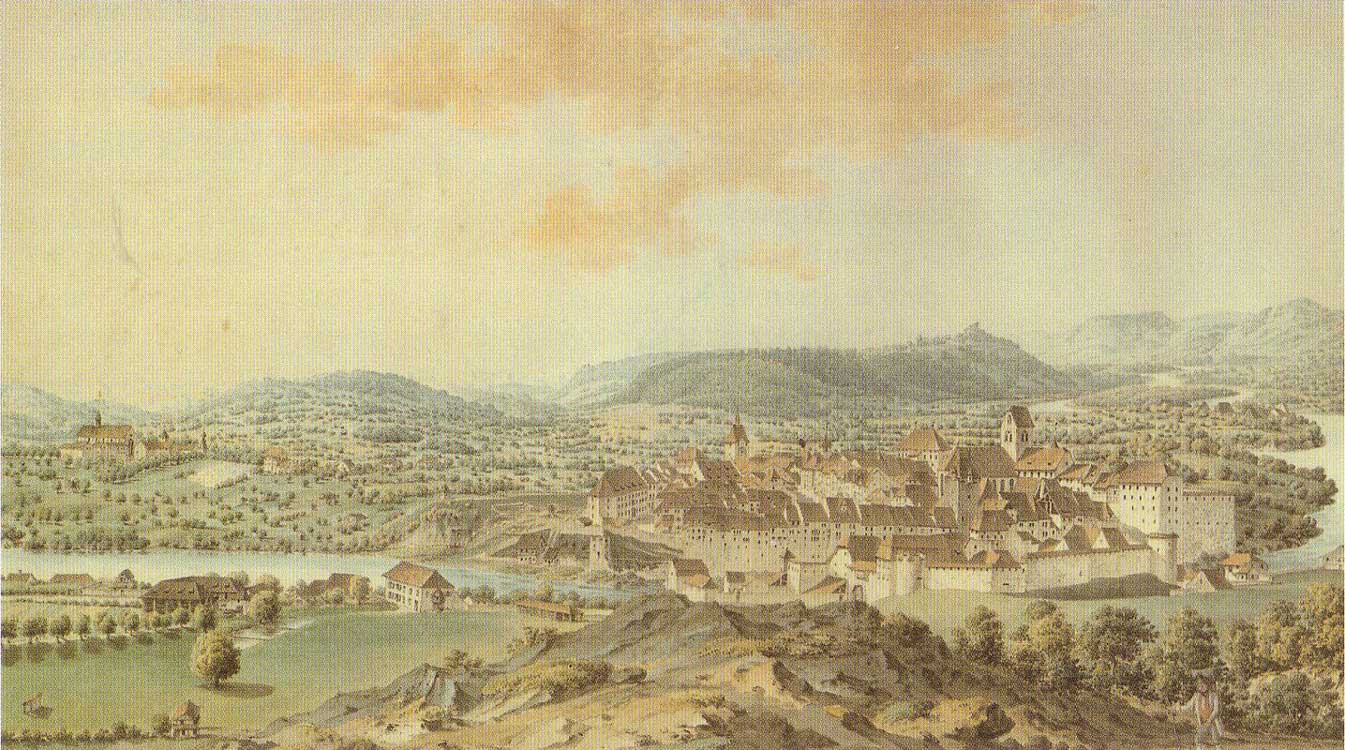
Brugg, Fröhlich's birthplace, around 1810. Aquatint by Johann Wilhelm Heim / Wikimedia Commons

Friedrich Theodor Fröhlich, born in Brugg in 1803, met prominent musicians in Berlin who inspired him to switch from studying law to studying music. Starting in 1826, in addition to choral works, songs, and string quartets, he composed eight violin sonatas; the last two have now been published for the first time. Both are easy to play, well-suited to the instruments, and musically still very much in the classical, school-style tradition: 1st movement: Exposition–Development–Reprise–Coda; Scherzo with Trio; Adagio; Rondo finale. The themes are catchy, featuring many cheerful, virtuosic passages in both instruments. Abrupt key changes feel natural within the context.

The 8th Sonata, composed in June 1826, is very extensive: it took my colleague and me nearly an hour to play through it, and we thoroughly enjoyed it. The scherzo even includes a short fugue. The 7th Sonata, composed in May 1826, is much more compact, with ideas following one another in rapid succession. Instead of a scherzo, there is a march with a lyrical middle section; the transition from the Adagio to the finale is a return to the main theme of the first movement—a comparison with the sonatas of Carl Maria von Weber comes to mind.

The printing of the first editions is clean, but very spread out and does not allow for turning the pages: You have to skip measures to keep moving forward, which works for casual home concerts thanks to the simple structure, but is impossible for performances.

Suicide at age 33to drive

Fröhlich returned to Switzerland in 1830, worked at the Aarau Cantonal School, married Ida von Klitzing, with whom he had two daughters; his many compositions received no recognition, despair, hopelessness, and financial problems led to his suicide in 1836 at the age of 33.

His 700 compositions, almost all of which are manuscripts, are housed in the University Library of Basel. In 2017, the International Friedrich-Theodor-Fröhlich Society and the Fröhlich-Konzerte Brugg Cultural Association were founded in Brugg; these organizations are responsible for publishing his works and organizing public concerts.

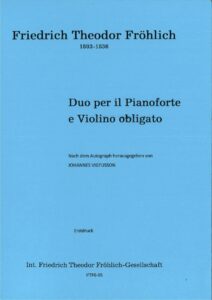
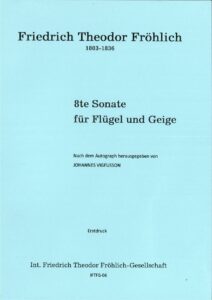
Friedrich Theodor Fröhlich: Duo for Piano and Obligato Violin (Violin Sonata No. 7), IFTFG-05, 30.00 Swiss francs, edited by Johannes Vigfusson, first edition, full score and part, Friedrich-Theodor-Fröhlich SocietyCompany, Brugg, mail@froehlich-gesellschaft.comId.: 8th Sonata for Piano and Violin, IFTFG-06, 35.00 francs, froehlich-gesellschaft.com/

A Youth Orchestra in Harmony

The film «Unisono» profiles the Aargau Youth Symphony Orchestra. Anyone who sees it will want to be a part of it themselves.

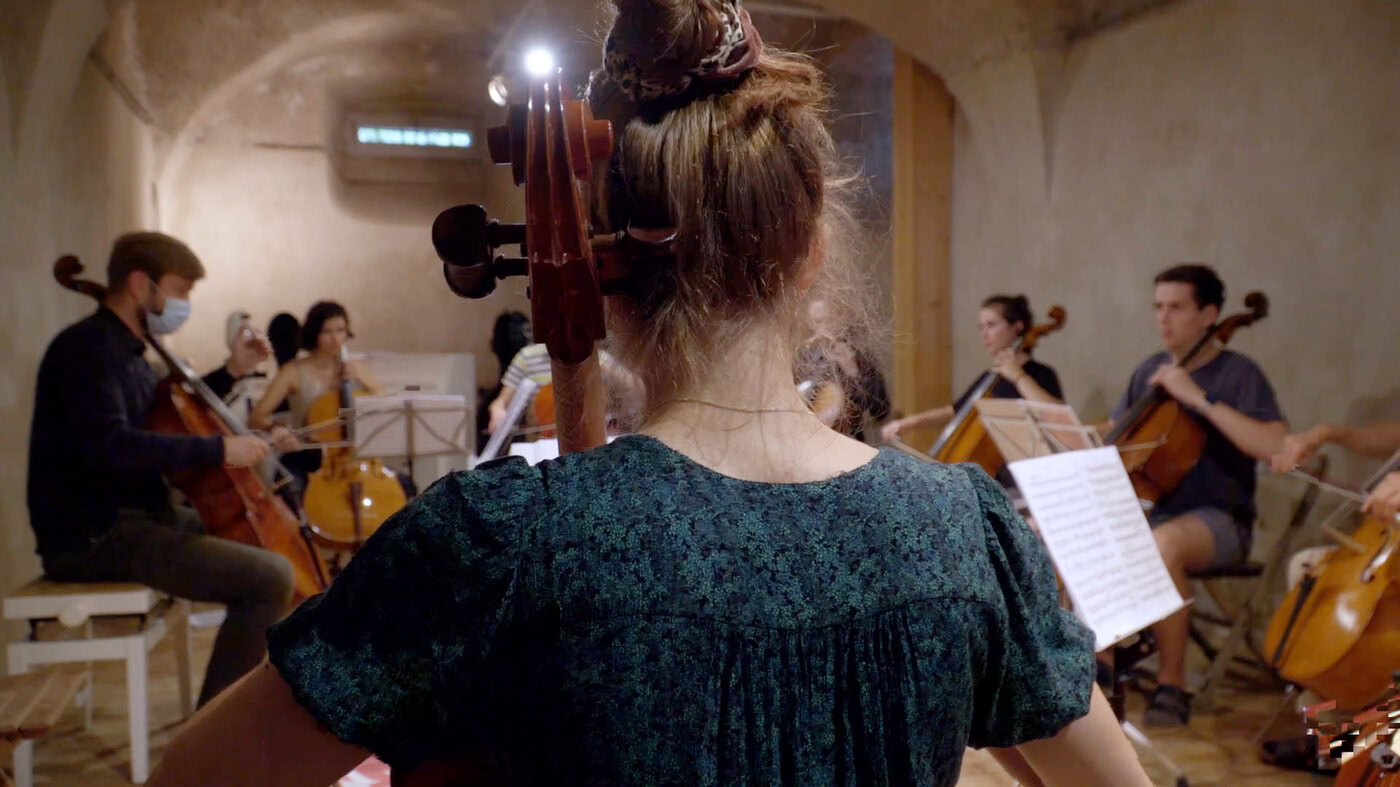
The cello section of the Aargau Youth Symphony Orchestra during rehearsal: A scene from «»In Unison". Photo: Courtesy of

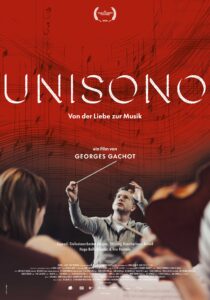
There’s the aspiring professional flutist who’s already dreaming of Vienna, Berlin, and Paris («That’s where the gods are!»). The young violinist who’s happy as an amateur musician with her «super-awesome hobby.» The high school student who might want to study violin, or maybe composition—in any case, «something to do with music.» In the Aargau Youth Symphony Orchestra, such differences don’t matter, as Georges Gachot’s new film impressively shows. Unisono - From the love of music is the title of the one-and-a-half-hour documentary that Gachot produced in the summer of 2020. For one week, the director—now 63 years old, who in his younger years portrayed celebrities such as Martha Argerich and Beat Richner—followed the orchestra’s workshop in Boswil.

From the very first moment, the professionalism and dedication with which the young musicians approach their work are captivating. It is they—and their enthusiastic remarks about music and their work in the orchestra—that Gachot focuses on throughout the entire first half of the film. Even the conductor and artistic director, Hugo Bollschweiler, with his reserved demeanor, comes across as a primus inter pares.

And suddenly, the charismatic soloist appears

The second half of the film marks a turning point in that it introduces the soloist Iiro Rantala: a charismatic artist with immense pianistic skill and decidedly provocative views (Bach’s Goldberg Variations? All improvised and «kindly» written down for us by the composer.) Rantala’s jazz-influenced compositions were part of the challenging program the orchestra worked on that summer. Rantala’s improvisational interludes in spontaneous duets with volunteers from the orchestra are among the most memorable moments in the film.

This film, in turn, largely avoids «private» scenes involving the group of teenagers at camp. Interpersonal tensions—which would, after all, be conceivable in such a setting—are also not an issue: Everything seems, quite literally, in harmony, Unisono - From the love of music takes its title very seriously. For the audience, this means that you’ll want to hear the Aargau Youth Symphony Orchestra perform live. But it also—and perhaps even more so—makes you wish you could be a part of it yourself.

Unisono – A Love of Music. Directed by Georges Gachot. Distributed by Gachot-Films. In theaters starting August 27, 2026.

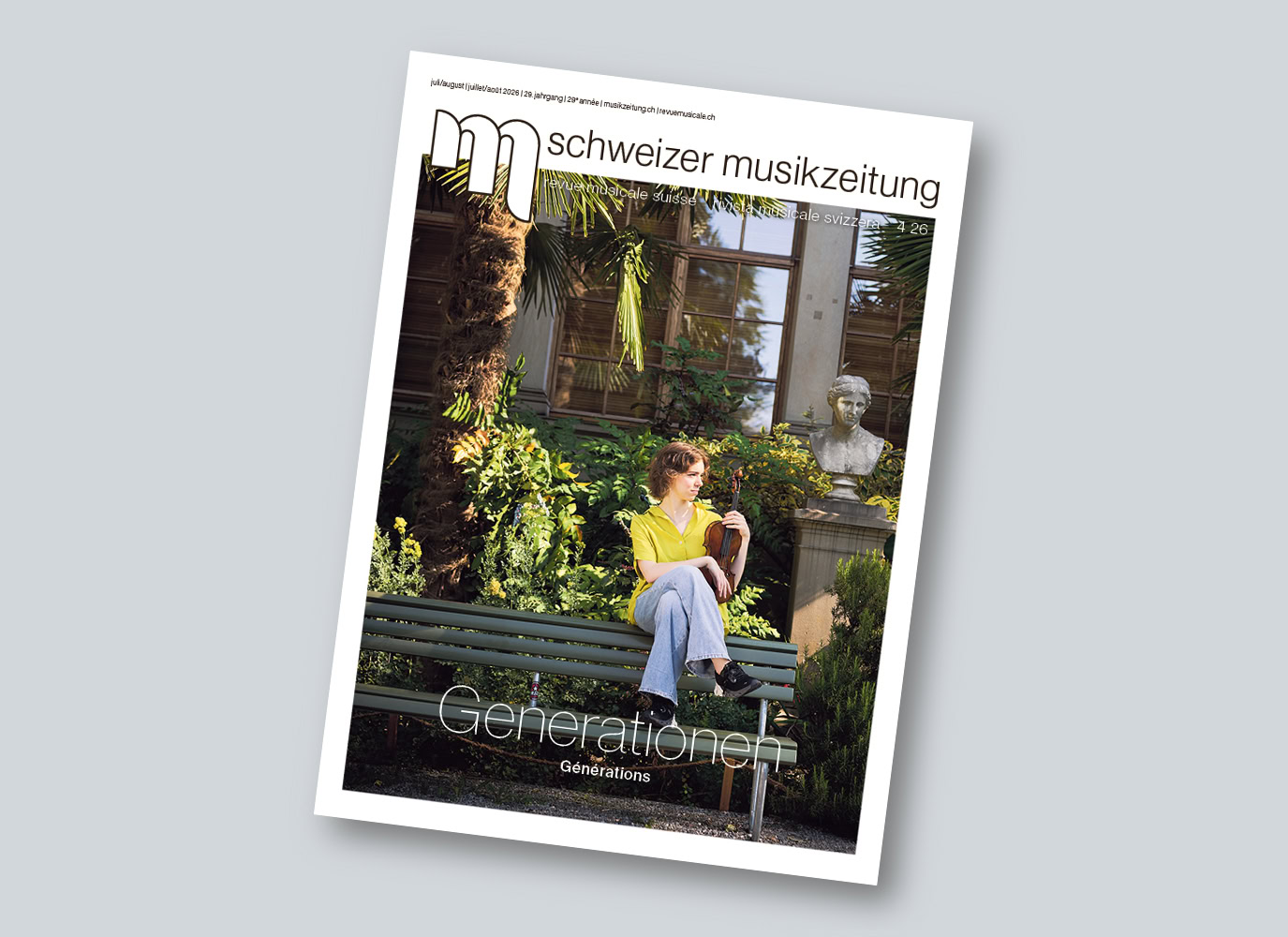
Issue 4/2026 – Focus: «Generations»

Table of contents

Focus

A Bridge Between Generations
Ilva Eigus was already being called a star violinist when she was still a minor. In this in-depth interview, the Zurich-based violinist—born in 2007—reveals how she gets along in her profession with older orchestra musicians and a graying audience—as well as with her father and occasional fellow musician, pianist Nik Bärtsch.

On Tour Through Retirement Homes
For the past two years, the young band Léa & the Lions from Vaud has been working on an unusual project: they want to get seniors dancing.

The Curious Evolution of Pop Tastes
Opinions—and, traditionally, the views of different generations—tend to differ on just how great the latest musical craze is. But even in this regard, the Internet has brought about a massive upheaval.

Onward to New Horizons
A personal note: SMZ is undergoing a period of transition. Editor Jean-Damien Humair writes about his long-standing collaboration with Editor-in-Chief Katrin Spelinova and Editor Pia Schwab—both of whom are now retiring.

Chat
Singer Phanee de Pool discusses the interplay between her professional and family life with her father, who is also her manager.

(italics = summary in German of the original French article)

Critiques

New releases Books, Sound carrier, Websites, Notes, Movies

Echo 

There is not enough space in the printed edition for all the texts, so they are listed here and linked to the corresponding online articles. Most of these were published before the printed edition appeared.

The End and the Beginning at the Ittingen Charterhouse
The thirtieth Ittingen Whitsun Concerts from May 22 to 25, 2026 were all about «listening». - About the first edition of the festival under the artistic direction of Reto Bieri and verticality in the experience of music.

From whale dances to wildfires, the Anthropocene sets Verbier ablaze
The majestic serenity of the mountains transports us to a sense of eternity and immutability. Yet, in the midst of climate change, the mountains are suffering, the glaciers are melting, and this scorching summer is suffocating us in every corner of the world. The August 1 concert, «Voice of Nature; The Anthropocene,» echoes this reality.

Swiss Sounds at the Vilnius Festival
There are a surprising number of connections between the two small countries, Lithuania and Switzerland. This was also evident at this year’s Vilnius Festival.

In Montreux: 80 Septembers of Music
It is one of the oldest classical music festivals in Switzerland. The Septembre Musical is celebrating its 80th anniversary in Montreux with a mix of new discoveries and established favorites, under the inspired direction of Mischa Damev.

Trying out the creative side
The «Atelier Création», a small festival initiated by the Basel Music Academy and dedicated to creativity at the interface between amateurs and professionals, took place for the first time at Stellwerk Basel at the end of May.

Base

Articles and news from the music associations

Music education Switzerland

Konferenz Musikhochschulen Schweiz (KMHS) / Conférence des Hautes Ecoles de Musique Suisse (CHEMS)

Swiss Music Council (SMR) / Conseil Suisse de la Musique (CSM)

Swissmedmusica (SMM) / Association suisse de Médecine de la Musique (SMM)

Swiss Musicological Society (SMG) / Société Suisse de Musicologie (SSM)

Swiss Musicians' Association (SMV) / Union Suisse des Artistes Musiciens (USDAM)

Schweizerischer Musikpädagogischer Verband (SMPV) / Société Suisse de Pédagogie Musicale (SSPM)

SONART - Musicians Switzerland

Swiss Youth Music Competition Foundation (SJMW)

Arosa Culture

SUISA - Cooperative Society of Authors and Publishers of Music

Swiss Association of Music Schools (VMS) / Association Suisse des Écoles de Musique (ASEM)


The Burden of Generations
Puzzle by Chris Walton

________________________________________

Order issue for CHF 12.- (+ CHF 2.- shipping costs)

get_footer();