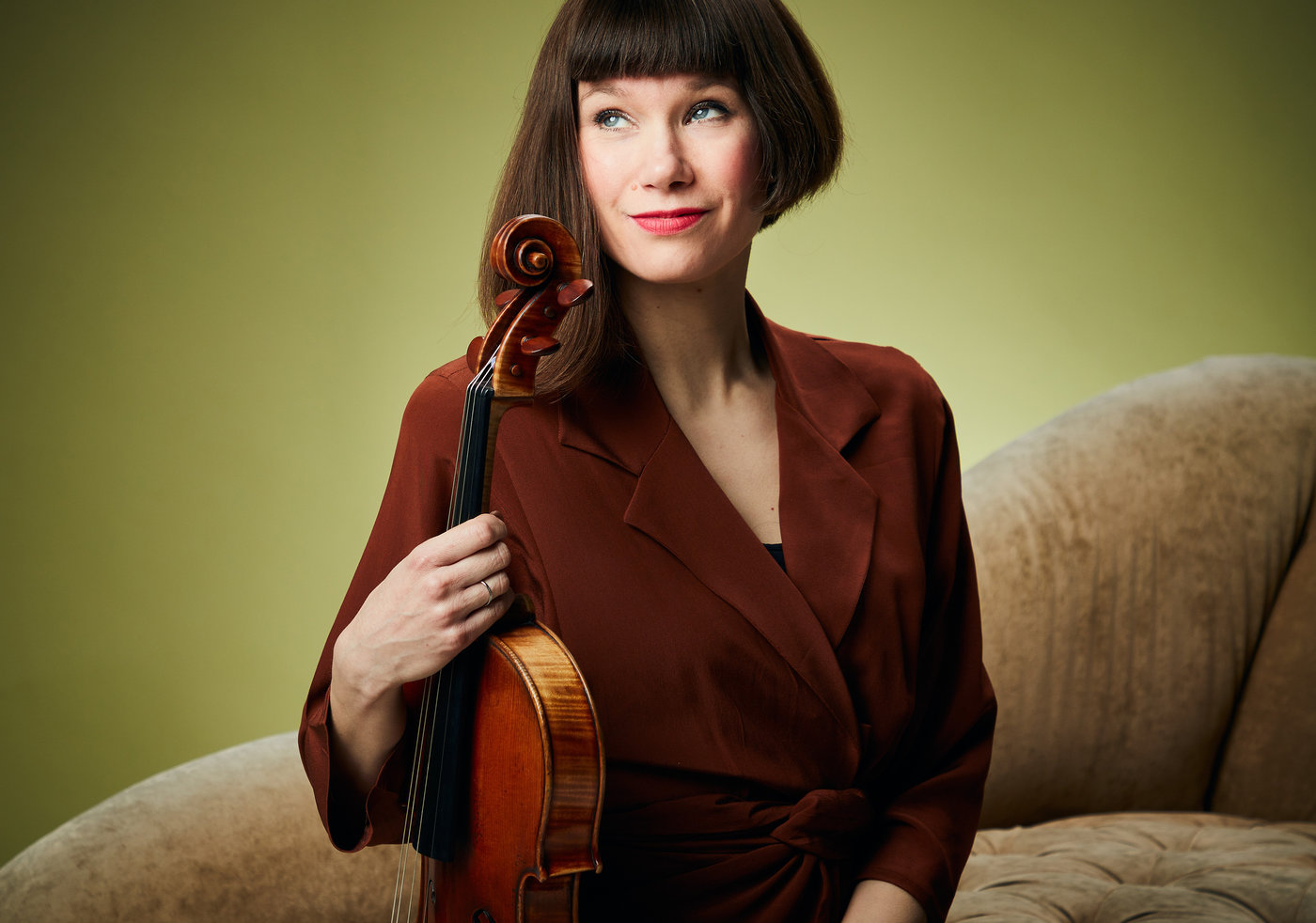
The Forum Wallis festival for new music will take place at Leuk Castle from March 2 to 19. The program is now online.
PM/Forum Valais
(translation: AI)
- Feb 21, 2023
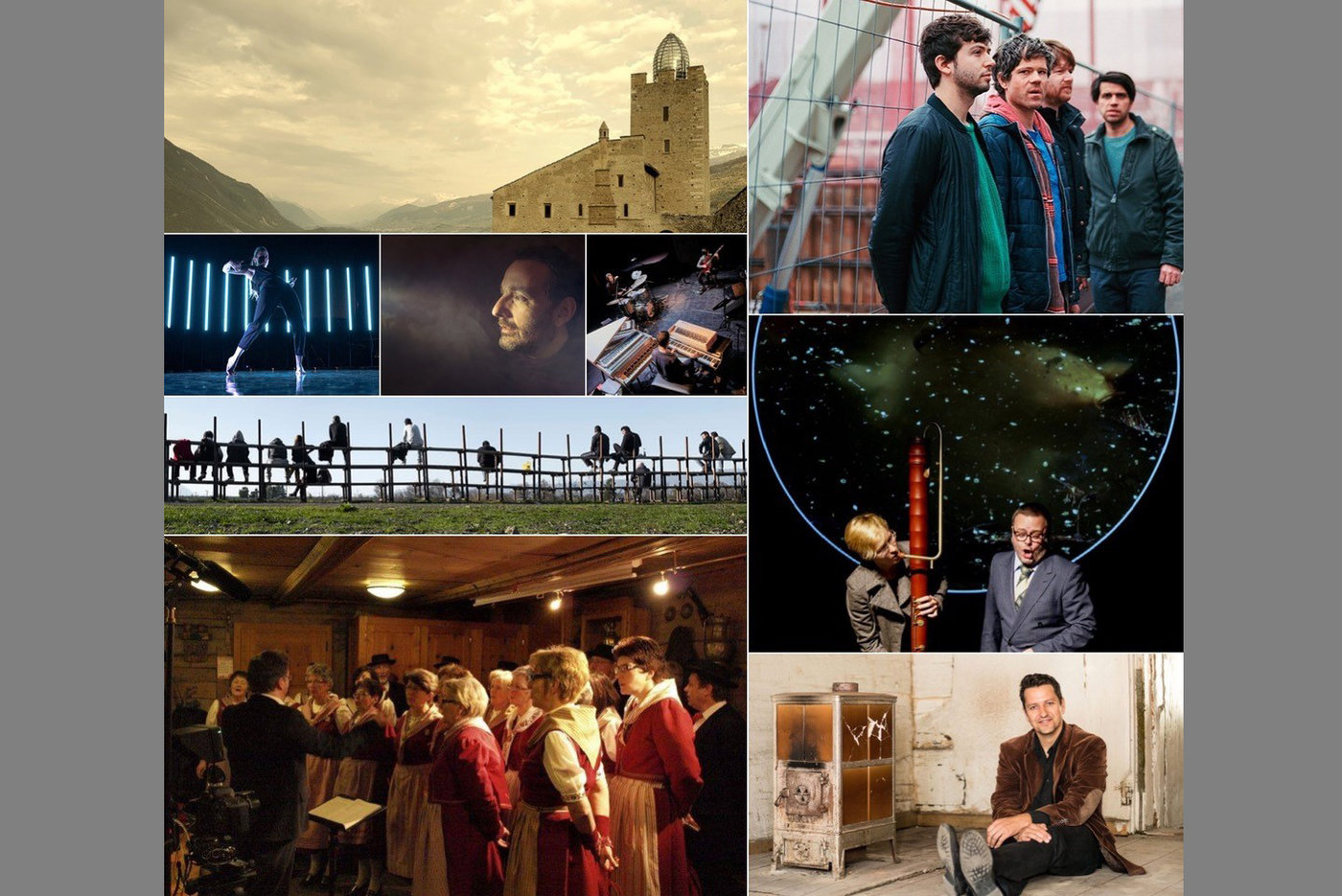
Photo (from top to bottom left to right): Schloss Leuk, Schoss Company, Pascal Viglino, Dsilton, dissonArt Ensemble, Oberwalliser Volksliederchor, Le Pot, UMS `n JIP, Rolf Hermann
At the beginning of March 2023, Leuk Castle in the small medieval Valais town of the same name will once again be transformed into a hotspot for new music. Swiss and international acts from the world of contemporary music will come together at the Forum Wallis. From March 2 to 4, they will provide an insight into the diverse work of the current musical avant-garde.
The 16th edition of the festival will feature the Schoss Company together with Cod.Act, Pascal Viglino, the Swiss free jazz greats Manuel Mengis, Lionel Friedli, Manuel Troller and Hans-Peter Pfammatter, Jonas Imhof's Exquisición, the Leuker writer Rolf Hermann, UMS 'n JIP, the Austrian micro-tone pianist Georg Vogel with his band Dsilton and the dissonArt ensemble from Thessaloniki. The composers of the Ars Electronica Forum Wallis Selection will also be present. It will take place for the 8th time in 2022/23, curated by Simone Conforti (IRCAM Paris).
The concerts of the Ars Electronica Forum Valais Selection (March 10-12) will take place for the first time at the newly established MEBU (Münster Earport) in Münster in Goms. In addition, the festival will once again fan out to various villages in the Upper Valais with concerts by the Upper Valais Folk Song Choir (March 18/19) in Simplon Dorf and Ernen.
The Forum Wallis is an international festival for new music at Leuk Castle on the German-French language border in the middle of the Valais Alps in Switzerland. It is managed by the IGNM-VS, the local chapter of the International Society for New Music (IGNM / ISCM).
The Forum Wallis has co-produced over 300 world premieres since 2006. The highlights of the festival's history include Stockhausen's Helicopter string quartet together with the Arditti Quartet, André Richard and Air Glaciers, Holligers Alp-Cheer, Cod.Acts Pendulum Choir as well as regular guest performances by world-class ensembles such as recherche, Klangforum Wien and Ensemble Modern.
The Zurich University of the Arts (ZHdK) is pleased to welcome Silvia Careddu as a new main subject lecturer for flute from the fall semester 2023.
ZHdK
(translation: AI)
- Feb 17, 2023
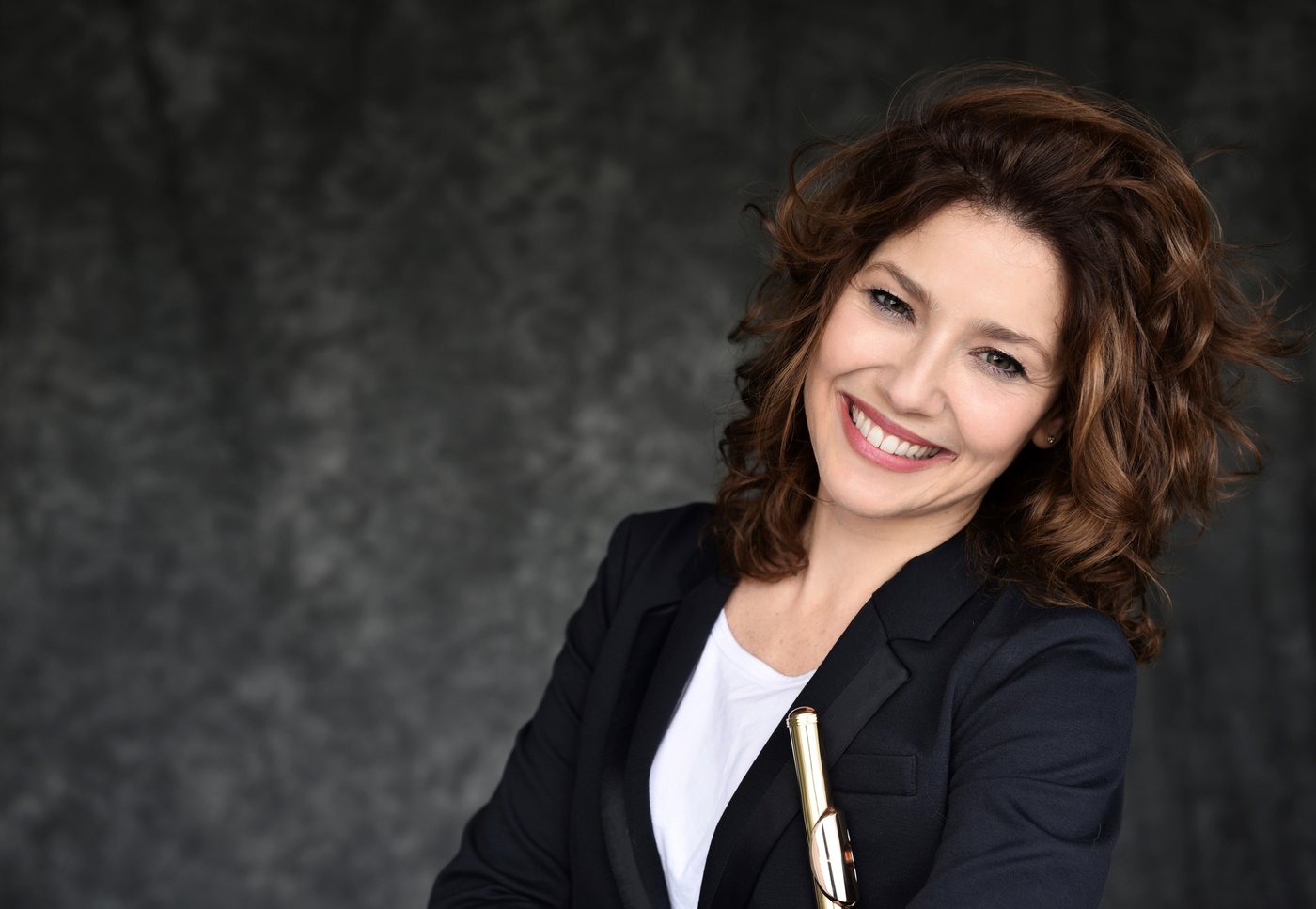
Silvia Careddu. Photo: Neda Navaee
Silvia Careddu is one of the most influential young flautists of our time. She began her career by winning the Premier Grand Prix à l'unanimité and the Audience Prize at the 56th Concours international de Musique de Genève.
She has subsequently worked as a solo flutist in renowned orchestras such as the Vienna Philharmonic, the Vienna Symphony Orchestra and currently in the Orchestre National de France.
She is much in demand as a soloist and chamber music partner.
Silvia Careddu is involved as a teacher at several European music academies, as a juror at numerous competitions and gives master classes in Europe and Asia.
New concert hall in Vitznau
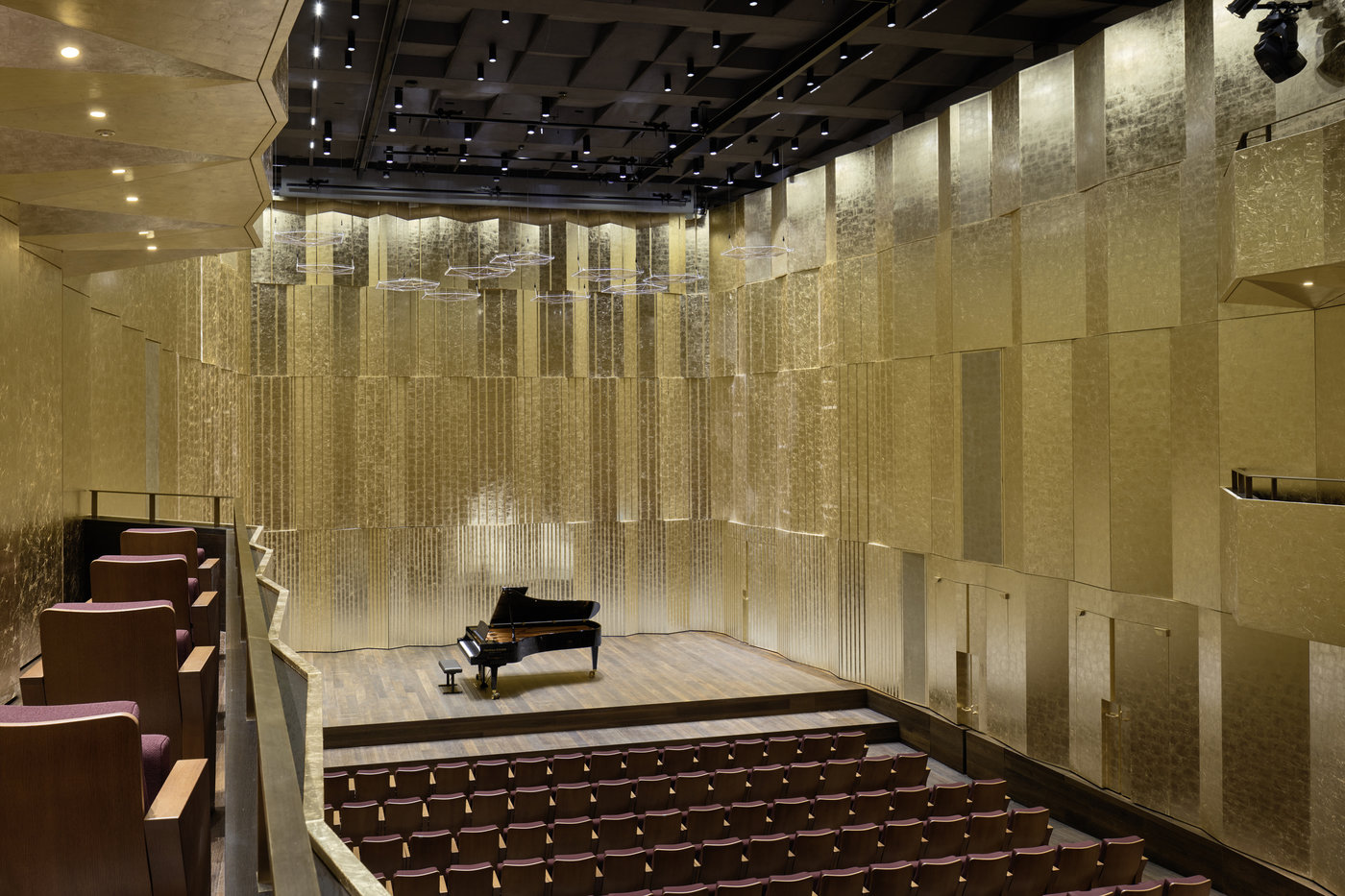
The inauguration of a new, underground chamber music hall took place in Vitznau in mid-February.
PM/SMZ/ks
(translation: AI)
- Feb 15, 2023
The new chamber music hall in Vitznau is built underground. Photo: Ralph Feiner
With a room height of around 10 meters, the chamber music hall is completely concealed in the floor. Construction began on November 2, 2020 and a total of 20 specialist planning companies and 50 craftsmen were involved.
Multifunctional
The client Peter Pühinger, founder and visionary of Campus Kultur Kulinarik Vitznau, wanted to create an intimate space for chamber music and choral singing with perfect acoustics. Thanks to sophisticated technology, the hall can now be used for a wide variety of events. With a variable reverberation time of between 0.8 and 1.7 seconds, the acoustics can be adapted to the respective requirements. A digital multimedia hall, which also serves as a concert foyer, complements the analog concert hall. This includes a professional acoustic system with a control room and a recording studio. With the help of a mechanical lifting floor, the chamber music hall can be transformed into a stage-free, level banquet or dance hall in no time at all.
Werner Reinhart: Silent driving force
At the "Werner Reinhart Days" from 27 to 29 January 2023 in Winterthur, the patron of the arts was the focus of a symposium for the first time. Concerts and exhibitions accompanied the event.
Viviane Nora Brodmann
(translation: AI)
- Feb 10, 2023
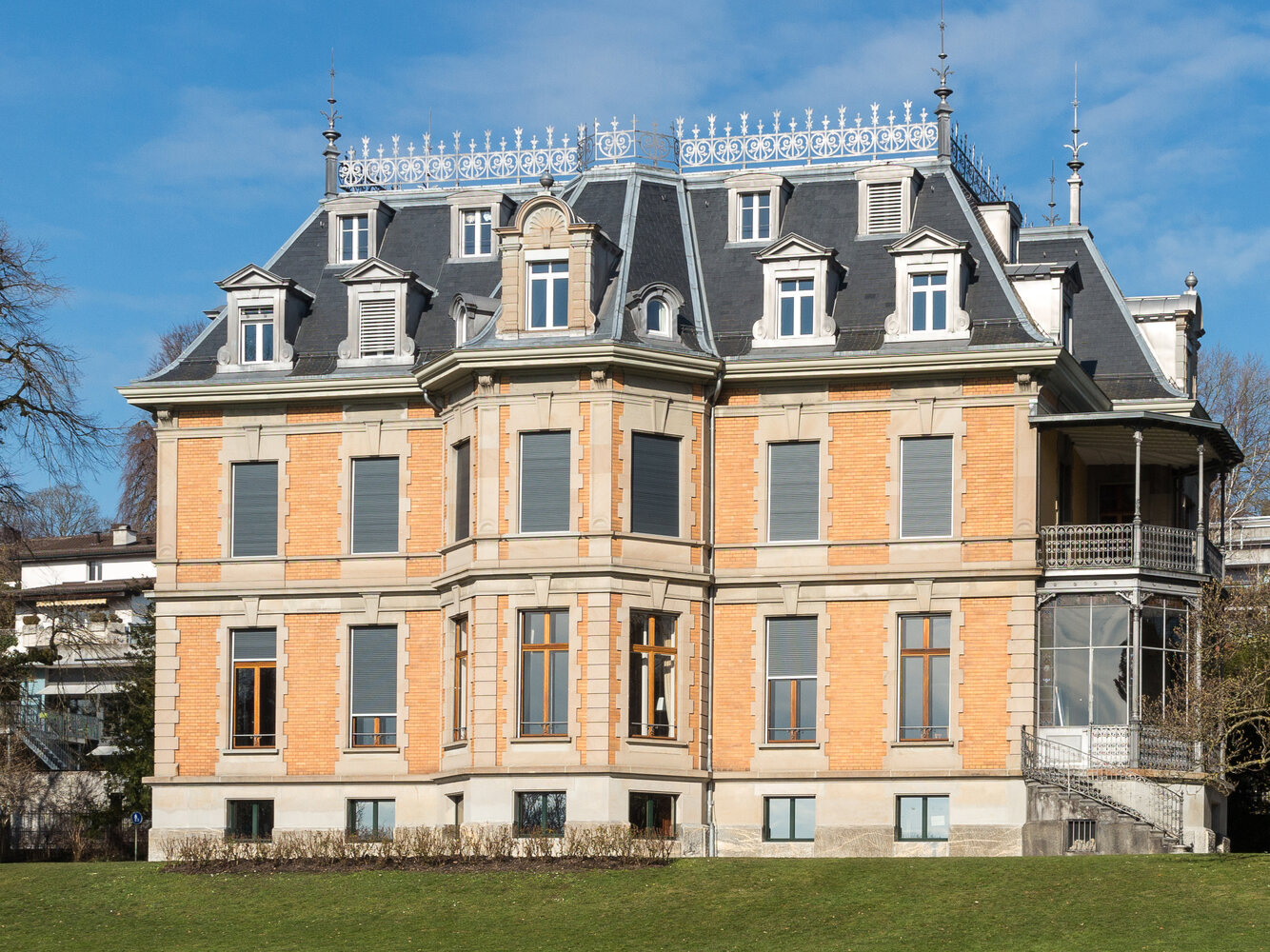
The Villa Rychenberg in Winterthur was Werner Reinhart's residence. Photo: Wikimedia. Link to the license
The extraordinarily extensive correspondence of the Winterthur merchant and patron of the arts Werner Reinhart (1884-1951) has been compiled as part of an eight-year research project by the Institute of Musicology at the University of Zurichh in cooperation with the Musikkollegium Winterthur in a database. This formed the basis for the symposium of the "Werner Reinhart Days"which took place on the initiative of former project members (Franziska Gallusser, Lion Gallusser, Ulrike Thiele).
After an introduction by Laurenz Lütteken (Zurich), Kerstin Richter (Winterthur) gave an insight into the history and tradition of the Reinhart family's patronage on Friday evening. Ulrike Thiele (Zurich) then introduced the audience to Reinhart's activities as a merchant, his work as a patron and his networking with the European music and cultural scene. In the subsequent panel discussion between Ulrike Thiele, Elisa Bortoluzzi (Zug) and Dominik Deuber, Director of the Musikkollegium Winterthur, the discussion ranged from Werner Reinhart as a patron to the scope and perception of patronage today.
Both financial and organizational support
The presentations that followed on Saturday and Sunday approached Werner Reinhart through people he supported or otherwise associated with, always in a historical context, also with regard to the two world wars, which resulted in the exile of composers in Switzerland, for example. His relationships with Richard Strauss and Hans Pfitzner (Michael Meyer, Trossingen) and with Paul and Gertrud Hindemith (Franziska Gallusser, Lucerne/Zurich) were used to examine the various relationships and forms of support. Anton Webern's Rychenberg-Variations as musical memories of Winterthur (Esma Cerkovnik, Zurich) were examined from this perspective.
Using the example of the prehistory and premiere of Alban Berg's Lulu (Daniel Ender, Vienna) and the not only patronage but also commercial support in the creation of Igor Stravinsky's Histoire du Soldat (Christian Kämpf, Dresden) made it clear how thoughtfully Reinhart proceeded. Fruitful financial and organizational support was also evident in the biography of the conductor Hermann Scherchen and his founding of various music institutions in Switzerland (Ullrich Scheideler, Berlin). The aforementioned players, works and concerts were discussed again from a different perspective in the article on the Winterthur concert repertoire and Reinhart's great commitment to the Musikkollegium Winterthur (Alessandra Origani, Zurich).
Promoting what takes music further
Further perspectives were given with a look at the culturally influential London period of the young Werner Reinhart (Thomas Irvine, Southampton) and his significant, albeit indirect, involvement in the founding of the International Society for New Music (Matthew Werley, Salzburg). Lion Gallusser (Zurich) considered the "establishment of a Swiss modernism" in view of the promotion of Swiss composers. Reinhart's "literary cosmos", which seems to have been limited primarily to the early period of his patronage, was also illustrated by his relationship with Rainer Maria Rilke, Hermann Hesse and Stefan Zweig (Arturo Larcati, Salzburg). Throughout the symposium, it became clear that Werner Reinhart was one of those patrons who supported music less according to personal taste and more with a view to its development. He deliberately kept himself in the background. As many speakers emphasized, he categorically rejected the printing or public mention of dedications.
The other events provided a counterpoint to the rich symposium. On Saturday evening, the Musikkollegium Winterthur made Reinhart's world audible with works by Paul Hindemith, Hans Pfitzner, Ernst Krenek and Heinrich Kaminski. The symposium was visually accompanied by a spontaneous guided tour on Sunday afternoon by Kerstin Richter through the Oskar Reinhart collection "Am Römerholz" and by Andres Betschart, Head of Collections at the Winterthur Libraries, with an annotated presentation of the sources for the Histoire du Soldat in the Villa Rychenberg, Reinhart's residence. The subsequent concert performance of the work on Sunday evening in the Stadthaus Winterthur rounded off the "Werner Reinhart Days".
Le Piano Symphonique - a piano festival in Lucerne
Lucerne has a piano festival again. From February 7 to 11, recitals and piano concerts can be heard, some of which will be brought together in a playful way.
Georg Rudiger
(translation: AI)
- 09 Feb 2023
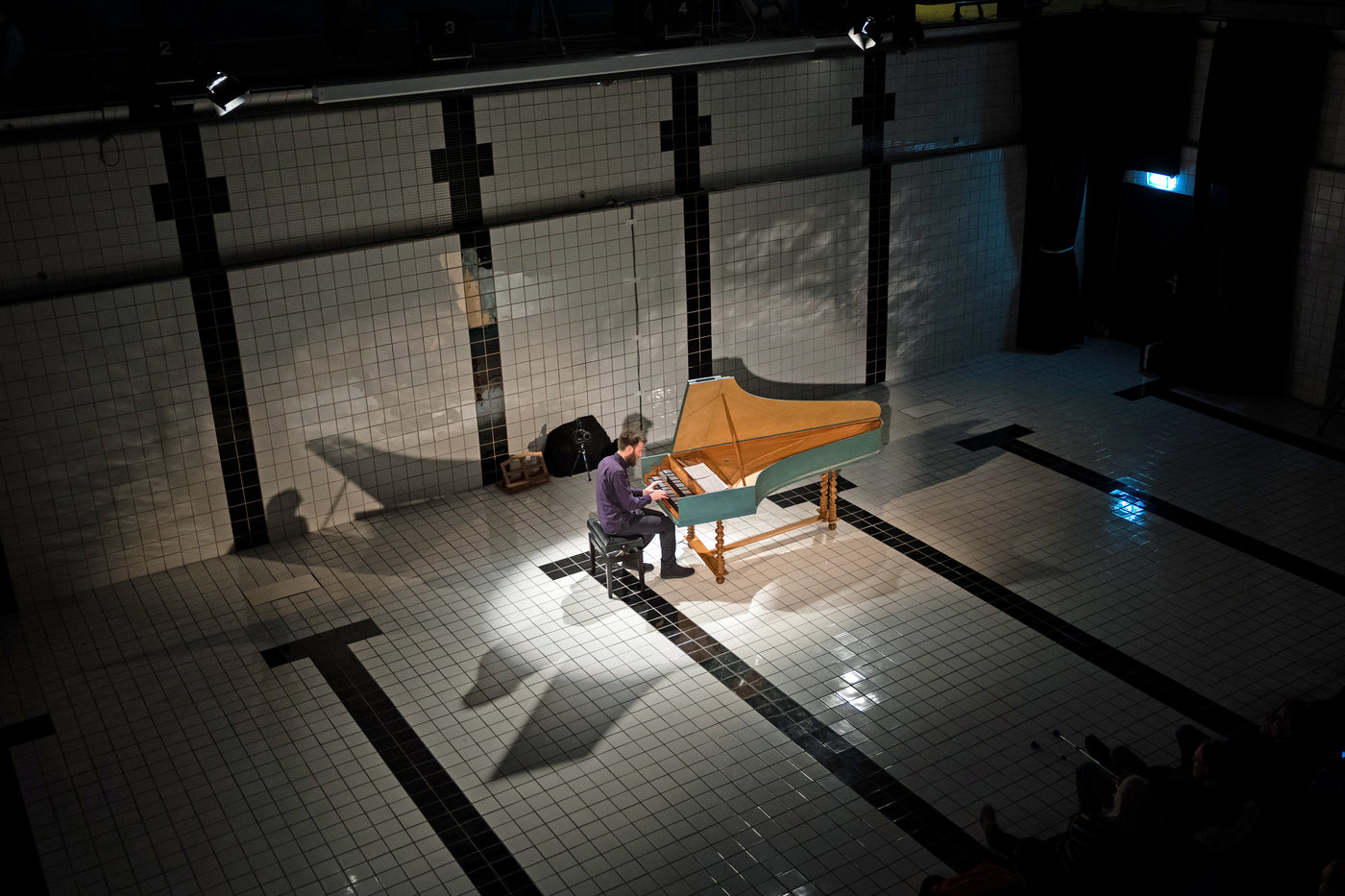
Jean Rondeau at the Neubad in Lucerne. Photo: Philipp Schmidli
Floodlights hang from the diving tower. The water slide leads to dry land. People have not been swimming here in Lucerne's former indoor pool for a long time. Ten years ago, an alternative cultural center with a club and restaurant was established under the name Neubad.
This evening at the late-night concert of the piano festival "Le Piano Symphonique", there is a harpsichord in the swimming pool. The audience listens from the edge of the pool or has taken a seat on a stand, lying down rather than sitting, to listen to the sounds of French harpsichord star Jean Rondeau. The Prélude en la mineur by Jean-Philippe Rameau begins like an improvisation: free, with deliberately placed pauses, listening to the notes. The delicate harpsichord sound is enhanced by the white tiles of the cymbal. A concentrated, almost meditative atmosphere is created between the lifebuoy and the starting blocks. The Suite en la is a discovery. The Courante phrases Rondeau jazzy. Every trill is a small work of art! The broken chords in François Couperin's La Ténébreuse (Allemande) resemble outbursts of emotion, which are expressed in the Marche des Scythes of Pancrace Royer with spectacular runs to a real frenzy. After his celebrated Lucerne debut, Rondeau comes to the pool bar, orders a cup of tea and mingles with the rest of the audience.
The Lucerne Symphony Orchestra's piano festival is a guest at the Neubad for the first time. "I find it exciting to present the harpsichord in this setting. The fact that we have now also found a new audience here is a nice side effect," says Artistic Director Numa Bischof Ullmann during a conversation in the café the following day.
Start with Brahms, continue with Schumann
In 2019, the Lucerne Festival discontinued its fall piano festival. The disappointment in the city was huge. When the Culture and Convention Center (KKL) finally issued a call for tenders to bring a piano festival back to life, Bischof Ullmann drafted his concept for "Le Piano Symphonique" - and was awarded the contract. The first festival in 2022 was dedicated entirely to Johannes Brahms and was well received.
This year, Rudolf Buchbinder opened the concert series with delicate Mozart variations on Ah, vous dirai-je, Maman KV 256, a very straightforward piece that comes to a head at the end. Appassionata and taken a little too massively Symphonic Etudes op. 13 by Robert Schumann, the focus composer of this year's festival. The rich program includes other big names such as Evgeny Kissin in the special concert or Khatia Buniatishvili, but also newcomers such as the only 18-year-old Israeli Yoav Levanon, who will perform Ignacy Jan Paderewski's rarely played piano concerto with the Lucerne Symphony Orchestra at the KKL at the request of the artistic director. It is unusual for Víkingur Ólafsson to give a piano recital in the second half of the concert.
"We want to be playful with concert formats and give the artists the right setting. This also includes traditional forms." Bishop Ullmann wants to celebrate the piano canon, but also bring the unknown to light. There will be a world premiere next year. He is relaxed about the fact that the Lucerne Festival is now relaunching a piano festival curated by Igor Levit in May, as the focus is too different.
Martha Argerich has long been associated with the Lucerne Symphony Orchestra. In the packed KKL, she truly presents Robert Schumann's piano concerto as the fantasia it was originally intended to be: with delicate color changes, urgent melodies and effortless virtuosity. She never plays the main theme in the first movement in the same way. The pianist is completely interwoven with the orchestra, which Michael Sanderling carefully guides around all the cliffs. Only in the finale is there a slight hitch in the interplay from time to time. But the delicate transitions, for example from the intermezzo to the finale, succeed as if from a single mold. Argerich works her magic, making the grand piano sound like a celesta in the treble and turning the thunderous chord breaks into elegant peaks. And, rarely enough, she gives two encores: a completely internalized Of foreign countries and people from Schumann's Children's scenes and a delicate gavotte from Bach's English Suite III in G minor.
A spirit of optimism
Before the interval, Johannes Brahms' Symphony No. 3 was heard in its entire range between lyrical pause and dramatic, combative outburst. Chief conductor Michael Sanderling, who arrived from Dresden in the fall of 2021, sees Johannes Brahms as an "essential gateway to the great Romantic repertoire". A complete recording of the four symphonies and the Piano Quartet in G minor arranged for orchestra by Arnold Schoenberg will be released in a few weeks.
The purely privately financed expansion of the orchestra from around 50 positions when the Artistic Director took office in 2004 to around 80 at present now creates the conditions for the appropriate realization of large-scale works. While elsewhere the brakes are being applied to cut costs, the Lucerne Symphony Orchestra is in a spirit of optimism. A new orchestra house provides optimal rehearsal and recording conditions. Sanderling is enthusiastic about the support in the city and the quick grasp of his orchestra members. The harmony can also be heard in Brahms' 3rd Symphony. The strings in particular respond quickly and sensitively to Sanderling's clear, relevant conducting. There is still room for improvement in the winds, which are not quite homogeneous. In the finale, Sanderling unleashes the pent-up orchestral forces and allows the movement to calm down again. And the Lucerne audience celebrates its ever-expanding orchestra.
8th Ars Electronica Forum Valais Selection 2022/23
The results of this year's 8th Ars Electronica Forum Valais competition for acousmatic music have been announced.
PM/Forum Valais
(translation: AI)
- 08 Feb 2023
Excerpt from the poster of the Forum Valais 2023
Ten musicians from China, Brazil, Chile, the USA, Italy, Austria and Germany were selected for the Ars Electronica Forum Wallis Selection 2022/23. Their names (in alphabetical order) and work titles are as follows:
Karl Gerber/Four Sensors
Nolan Hildebrand/Merz Re[#1]
Daniel Mayer/Matters_8
Robert McClure/syn
Felipe Otondo/Sauti
Mattia Parisse/Brulicautoma
Alessio Rossato/Temple of No Religion
Thiago Salas & Renan Gama/Rejunte
Zach Thomas/branch-splitter-moss
Bihe Wen/Atmo-
There was a Special Mention for seven others:
Alejandro Casales/Lullaby
Ron Coulter/fever
Nicola Fumo Frattegiani/The hollow tooth
Paul Oehlers/Red Coyote
Leah Reid/Ring Resonate Resound
Rosa Maria Sarri/Stallo
Konstantine Vlassis/Lækurinn að brjóta.
The works will be performed on March 10, 11 and 12, 2023 as part of the Festival for New Music Forum Valais in the newly established Mebu Münster in Goms.
The Forum Valais is an international festival for new music that was founded in 2006 and is organized annually by the Valais section of the International Society for New Music IGNM-VS. The 16th edition of the festival will take place from March 2-19, 2023 at Leuk Castle, Mebu Münster, Simplon Dorf and Ernen.
Sabina Schmuki was awarded third prize for her composition "Ave Terra" in the children's choir category at the choral composition competition to mark the 100th anniversary of the ISCM.
ISCM Switzerland
(translation: AI)
- Feb 07, 2023
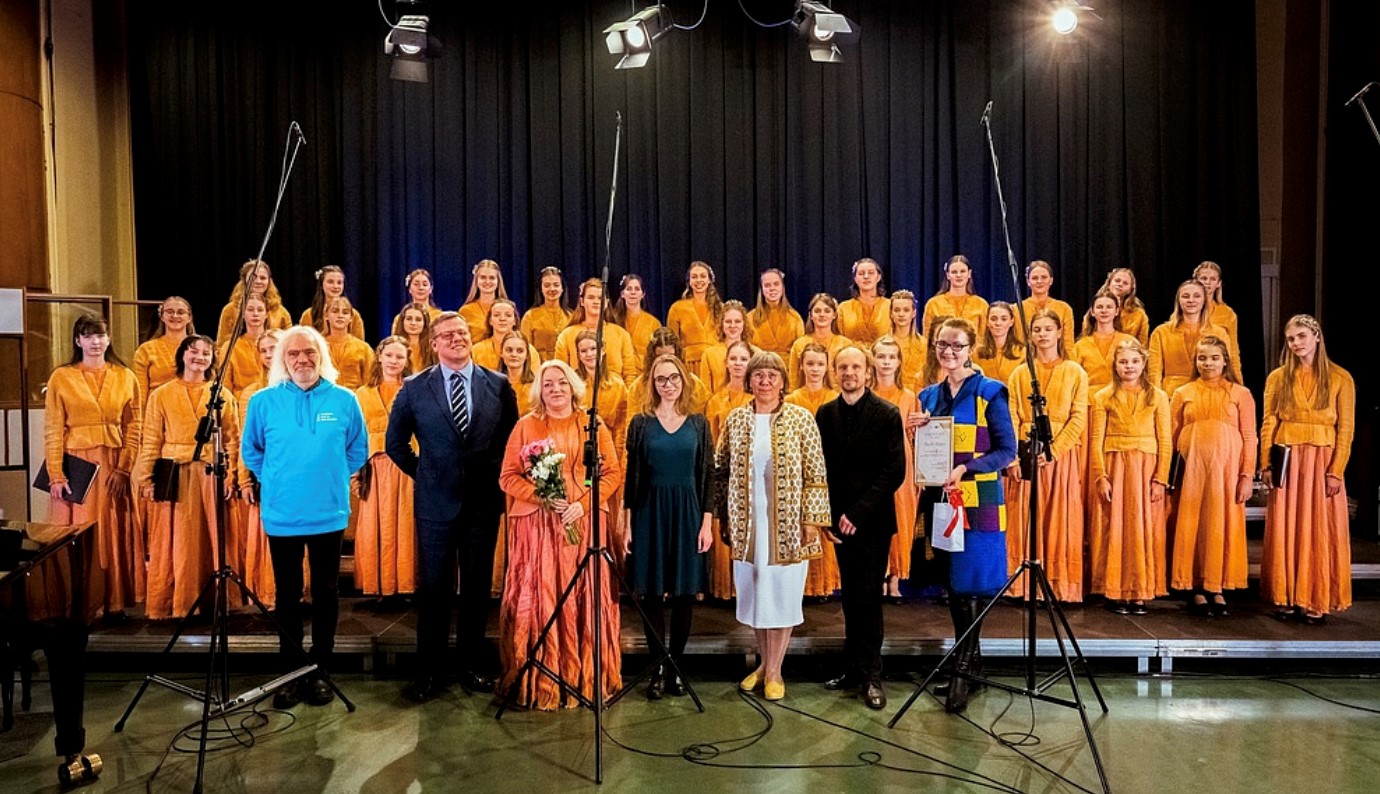
The girls' choir Tiara in the studios of Latvian National Radio together with the award winners and jury members. Photo: Latvijas Radio
At the choral composition competition for the 100th anniversary of the ISCM (International Society for Contemporary Music, IGNM), the Swiss composer Sabina Schmuki was awarded 3rd prize ex aequo in the children's choirs category. Four different ISCM country sections organize the competition in four categories: mixed amateur choirs (ISCM Basque Country), mixed professional choirs (ISCM Estonia), male/female choirs (ISCM Switzerland) and children's choirs (ISCM Latvia) (SMZ reported).
Jury and results
Conductor Aira Birziņa and composers Uģis Prauliņš and Āriks Ešenvalds were on the jury for the Latvian section of the competition. A total of 25 works were submitted from Latvia, Lithuania, Poland, Finland, the Netherlands, Austria, Italy, Switzerland, Israel and the USA.
1st place - not awarded
2nd place - Zuzanna Kozeja (Poland) - Laus Trinitati
3rd place - Renāte Stivriņa (Latvia/Poland) - Ave Maris stella
3rd place - Sabina Schmuki (Switzerland) - Hail Terra
3rd place - Alfred Momotenko-Levitsky (Netherlands) - When you ask me
World premiere of Hail Terra
The Tiara girls' choir from Riga Cathedral brought Hail Terra in the 1st studio of Latvian Radio (Latvijas Radio) under the direction of Aira Birzina. This choir is one of the world's best girls' choirs and recently won 1st prize at the 53rd choir competition in Tolosa.
Sabina Schmuki has been Hail Terra the idea of the "Ave Maria" and from it the Hail Terra developed. "An unorthodox approach to creation and climate change" is the subtitle. The piece also calls on the listener to be mindful and to turn back. It is the second work that Schmuki has dedicated to this topic. Previously, she wrote a piece for male choir in Rhaeto-Romanic against the backdrop of the dramatic landslide in Gondo and the problem of dwindling permafrost.
The canton of Nidwalden is introducing a support program for music students based on the federal government's "Young Talents in Music" framework concept. Application deadline: February 28.
PM/SMZ/ks
(translation: AI)
- Feb 03, 2023
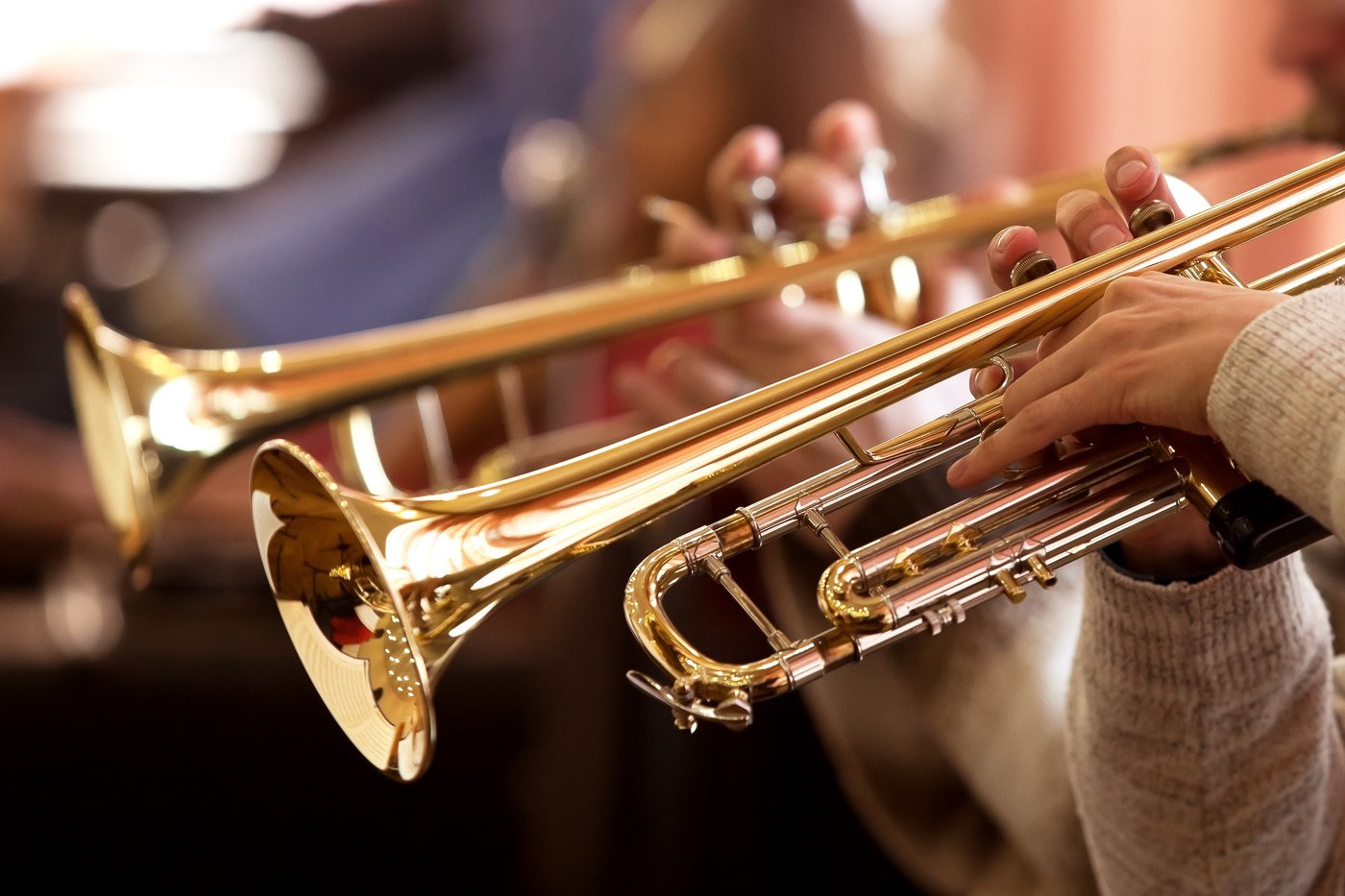
Whether trumpet or other instruments, all musical talents are welcome. Photo: Adobe Photostock
Anyone learning an instrument or training their voice at a Nidwalden music school, at the Kollegi Stans or privately can now register for the cantonal support program for talented musicians until 28 February. The entrance examination will take place on April 1 in Hergiswil. Successful graduates will be able to start the program in the 2023/24 school year. The program is not only aimed at aspiring professionals, but also at all talented music students residing in the canton of Nidwalden.
The basis for the introduction of the promotion of talented musicians in the canton of Nidwalden is the federal government's "Young Talents in Music" framework concept, writes the Nidwalden promotion of talented musicians in its press release. Among other things, this concept provides for direct financial contributions for the individual talents. The canton also makes a substantial contribution to the program.
Rapture into a better world - song recitals in Ukraine
With the help of Silke Gäng, Roman Melish organizes recitals in the Ukraine.
Georg Rudiger
(translation: AI)
- Feb 02, 2023
Roman Melish (right) and Taras Stoliar in St. Andrew's Church in Kyiv. Picture: Maryana Rogovska
The gentle chords spread a sense of security. Roman Melish's bright, boyish voice is touching in its fragility. "You beautiful art, in how many gray hours," sings the Ukrainian countertenor. "You have enkindled my heart to warm love, you have transported me to a better world!" For this special song recital on November 25, 2022 in the gleaming golden St. Andrew's Church in Kyiv diesel generators are available so that the electric piano played by Andriy Vasin does not remain silent in the event of a power cut. Battery-powered lamps are also provided. Only in the event of a bomb alert would it have to be stopped. But it remains calm. The war refugees invited to the concert can dream themselves into a better world for an hour. A piece of normality in the chaos, a little balm for the soul.
Bandura player and soldier
Until a few days ago, Taras Stoliar was still fighting on the eastern front in the Donbas. Now the soldier in combat fatigues sits next to the singer and plays the bandura, the Ukrainian national instrument. This lute, which dates back to the 6th century, also sounds soothing with its delicate, silvery tones. In Soviet times, the bandura was bitterly fought against as a means of expressing Ukrainian national consciousness. In his posthumously published memoirs, Dmitri Shostakovich reports on a mass execution of bandura players in the 1930s.
Stoliar is actually a professional musician and plays in the Naoni Orchestrathe national orchestra for folk instruments. He has been defending his homeland since the Russian attack. He needed special permission from the military authorities for the concert. "We were able to show that musicians can also fight for our country as soldiers - and that soldiers can also be musicians," says Roman Melish in the video interview. The singer put together German and Ukrainian songs for this concert, which was also held on two previous evenings in a library in the former Russian-occupied Irpin. "The audience was very moved. I saw a lot of tears. For the duration of the concert, the audience forgot that they were refugees," he says.
Support from Basel
The fact that these recitals take place in the middle of the war is Silke Gäng to thank. The mezzo-soprano and artistic director of Song Basel studied together with Roman Melish in Basel. In recent years, when he lived in Kyiv again, he also came to Switzerland for concerts. "We were more colleagues than friends," says Gäng during a conversation in her hometown of Fribourg. When Russia attacked Ukraine and she saw terrible pictures from the war on Roman's Instagram profile, she was deeply moved and contacted him. "There were lots of solidarity concerts here at the time. I wanted to help the local people with music. But is music even needed when you're fighting for survival?"
At the Basel Song Festival, she and her fellow performers place the art song in a wider social context and explore the question of what music can achieve. The war was a reality check, so to speak. She collected donations in Basel for the ambitious project in Ukraine, worked on the program with Roman and spoke the German lyrics to him so that he could practice the correct pronunciation. She only found out through Roman's research that there was even a Ukrainian composer, Mykola Lysenko, who had studied with Carl Reinecke in Leipzig in the 19th century and introduced the German art song tradition to Ukraine.
Music to feel
For him, the art song was new territory. The countertenor specializes in early music. That's why he came to study at the Schola Cantorum Basiliensis in 2013. That's why he returned to Ukraine in 2019 to raise awareness of historical performance practice there. He has his singing to thank for the fact that he didn't have to take up arms himself. After the tenth day of the war, he received a draft notice. The soldier in charge at the military office recognized him as a singer, as he had appeared on Ukrainian television in the show The Voice a few days earlier with a Vivaldi aria - and sent him away again.
Roman experienced the outbreak of war on February 24, 2022 in his parents' house in the countryside in western Ukraine. "I was totally paralyzed and incredibly scared." He actually wanted to return to Kyiv the next day. Now there was panic everywhere. The cars were jammed. The supermarkets were empty. "My brother and I prepared our documents and packed a suitcase in case we had to flee." It was only on April 6 that he returned to Kyiv in a darkened train for a concert on Annunciation Day. And experienced a city in a state of emergency - with checkpoints, night-time curfews and people living in the subway because their homes had been bombed.
In the beginning, he felt completely useless as a musician during the war, but that has changed. "For me, music offers the opportunity to think about what is happening. I can share my emotions through music. People here need music because they want to feel something. It's important for inner stability." The war has changed him. He is more direct and less willing to compromise than before. Every day could be his last. But this awareness also makes him more sensitive to the fate of others.
When Silke Gäng contacted him, he felt "like a hug in this terrible war". The support from Basel means a lot to him. "It helps me so that I can help others. Our recital project has given me back my strength and energy. And has given my life a deep meaning again."
Melish now gives regular early music concerts in Kyiv again. For the next recital, he could imagine performing in front of soldiers. Or a concert in Butscha, the place that became known worldwide as a result of the Russian massacre. But first, Roman Melish is coming to Basel on April 21 to perform in the context of Song Basel to give a recital and thank the donors. In addition to Andriy Vasin and the soprano Ivanna Plish, Taras Soliar will also be there if he is granted special permission again. "Living dangerously" is the motto of the festival, which was decided long before the war began.
Concert in the library in Irpin. Picture: Yevhen Petrychenko
Conference Music Discourses after 1970
A three-day public event at the Bern University of the Arts HKB from March 23 to 25 will shed light on discourses on contemporary music and its relationship to improvisation, television and society. Presentations with perspectives from 14 countries and panel discussions will be complemented by two concerts.
HKB
(translation: AI)
- Jan 31, 2023
Improvisers like Franziska Baumann shaped the development of contemporary music. Photo: Francesca Pfeffer
Since the 1970s, there has been a boom in contemporary music: festivals have sprung up, ensembles have been founded and concert series have been launched. The SNSF project "At the focus of developments. The Swiss Association of Musicians 1975-2017" at the HKB examines competing aesthetic developments, the growing importance of non-composed music, the role of socio-political upheavals for contemporary music creation and changes in the media.
The conference reflects these topics from the perspective of 14 countries in five panels: How are controversial positions between tradition and avant-garde being fought over the sovereignty of interpretation of the contemporary? And with what consequences?
For a long time, contemporary music blocked itself off from improvised music. Initial efforts to integrate it (at the STV) proved to be clumsy attempts to break out of the self-imposed and snivelingly lamented "ghetto". Later, the mutual rapprochement was more courageous. How did contemporary music and improvisation perceive and influence each other? What role did improvisation play in the development of new music?
New music and television: This is first and foremost a narrative of rise and fall, initially favored by curiosity towards the new medium and fool's freedom, then shaped by the pressure of quotas and bureaucratic structures. But do the marginal contributions on TV even play a role in the discourse? To what extent can an understanding of new music be gleaned from the boom and later decline, as well as from changes in selection, content and form, and to what extent is there a social, cultural and media change?
The last panel also reflects on the latter: What role do institutions play in the development and shaping of various discourses? What is the position of organizers, be it radio, labels, festivals or composers' associations? And what are the overarching discourses? The national? The international? The position of women? A closing panel with historian Philipp Sarasin, among others, will address these questions.
Presentations and discussions will be complemented by live musical contributions: Improvisational discourses will be brought to the stage, and a second concert evening will present works that once did not make it onto the stage because the jury did not nominate them for the programs for aesthetic, personnel policy or practical reasons.
The "liturgical" compositions by the musician from Obwalden will be performed at various venues in Switzerland this year.
Angelo Garovi
(translation: AI)
- 27 Jan 2023
Josef Garovi played his organ works in church services. Photo: Garovi archive
March 7, 2023 marks the 115th birthday of Josef Garovi (1908-1985). The musician and composer from Obwalden worked in Obwalden, Lucerne, Zurich and Valais. He was awarded the Orlando di Lasso Medal in 1977 and the Central Switzerland Culture Prize in 1978.
While organizing the estate, various unpublished liturgical organ compositions came to light, which the composer had played himself in church services - and which then remained in the estate.
These "liturgical" compositions will now be performed this year. Choral preludes, preludes, postludes, offertories and versets will be performed in the following churches, some of them at places where he worked: In Obwalden at the parish and pilgrimage church in Sachseln, in the Frauenkloster convent and in the Kollegiumskirche church in Sarnen; in Lucerne at the Jesuit Church (organ class of Suzanne Z'Graggen, Lucerne University of Applied Sciences and Arts) and at St. John's Church (Beat Heimgartner); in the Wallis at the Kollegiumskirche Brig (Hilmar Gertschen) as well as in Zurich at the Johanneskirche (Tobias Willi).
Further concert performances of his works are planned in the Engelberg monastery church (Alessandro Valoriani), at the Hofkirche in Lucerne (Stéphane Mottoul) and in Bern at the Trinity Basilica (Olivier Eisenmann). This means that almost the entire organ oeuvre of Dupré's pupil Josef Garovi will be played in various churches this year.
Josef Garovi studied at the Lucerne Organ School, among others. Photo: Garovi archive
Exact details of the venues and concerts will be announced in due course.
on the Josef Garovi website published.
Change in the Board of Directors of the Allgemeine Musik-Gesellschaft Zürich
At the end of 2022, the Board of the Allgemeine Musik-Gesellschaft Zürich was reorganized. Heinrich Aerni was elected President.
PM/SMZ
(translation: AI)
- 25 Jan 2023
The Board of the General Music Society Zurich (AMG) was reconstituted at the end of 2022. Heinrich Aerni (Zentralbibliothek Zürich) was elected President to succeed Inga Mai Groote (University of Zurich), while Esma Cerkovnik (University of Zurich) is the new Vice President. Eva Martina Hanke is responsible for the Actuary's Office, Archives and Library, Angelika Salge (both Central Library Zurich) for the Bursar's Office. The Advisory Board includes Enrico Fischer, Veronika Frey, Claire Genewein, Susanne Hess, Ulrike Thiele (Tonhalle Society Zurich) and Andrea Wiesli.
The AMG was formed in 1812 from a merger of Collegia Musica, which dated back to the early 17th century.
Arion on the dolphin in the lower lake basin in front of a panorama of the city of Zurich. Etching by Johannes Meyer, printed on the first New Year's sheet of the Gesellschaft ab dem Musiksaal (1685), a predecessor society of the AMG. (Image: Zurich Central Library)
The 10th Forum Music Education
With the umbrella topics of digitalization and inclusion, the 10th FMB on 20/21 January 2023 was dedicated to burning educational issues.
Niklaus Rüegg
(translation: AI)
- 25 Jan 2023
The Trio Pilgram played at the opening of the 10th Forum Musikalische Bildung. Photo: Anne Fröhlich FRAME PHOTOGRAPHY
The Forum Musikalische Bildung (FMB) was postponed by one year in 2022 due to the coronavirus - it's hard to believe. Three years have therefore passed since the last edition. On January 20 and 21 of this year it was that time again. Launched in November 2007 by Hector Herzig, then President of the Swiss Association of Music Schools (VMS), it was held annually until 2012, then every two years (see History of the FMB). The founder had put a lot of heart and soul and idealism into this forum and made it the flagship of the association. It's a shame that Herzig didn't show up to be celebrated at the tenth edition; it's also strange that he wasn't mentioned at all.
Digitalization has passed its peak
The new VMS President Philippe Krüttli welcomed an impressive number of participants and then handed over to the event's moderator, Myriam Holzner. The first keynote speaker, futurist Joël Luc Cachelin, had already given a speech at the FMB 2018 on the topic of digitalization and education. At that time, digitality in the classroom was still perceived as something threatening in many places. The pandemic has had an accelerating effect in this area, and some things have now become a natural part of everyday teaching. Cachelin did not want to engage in a review of his predictions at the time. He preferred to take another look into the future - or rather into different futures, which he categorized by color. The pink future, for example, asks how we deal with our skills, which are increasingly being rivaled by intelligent answering machines and chat boxes. The green future is about using resources intelligently and optimizing sustainability.
And where do we stand today in terms of digitalization? According to the cycle model of the Russian economist Nikolai Kondratiev (1892-1938), Cachelin explained, digitalization has already passed its peak. Today, the focus is still on closing unfinished digital cycles and optimizing network security. Essentially, nothing will change in the nature of music education. There will still be no substitute for creativity and self-efficacy in the future. However, the speaker sees innovations in the field of digital aids and in the interaction between people making music and machines (new instruments, robotics).
Networks replace systems
The term "digital transformation" has only been around since 2014, explained Andréa Belliger, Vice-Rector at the Lucerne University of Teacher Education and Director of the Lucerne Institute for Communication and Leadership in her presentation. She pointed out a fundamental difference: "The digital transformation is a process of social change. It changes norms and attitudes and is more than just digitalization." Technology enables a high level of connectivity, which poses a major challenge for the education system in particular. Countless do-it-yourself teachers are flooding the web with e-learning courses. "Flipped classroom", "seemless learning" or adaptive learning are just some of the many buzzwords. Platforms such as moog.org or khanacademy.org offer a comprehensive range of didactically perfectly prepared, free online courses that enable self-directed and participatory learning. Belliger identified a paradigm shift in forms of teaching and learning: "We are in the transition between system and network." Under these circumstances, institutions, including music academies, must ask themselves the fundamental question of their mission.
VMS President Philippe Krüttli and Valentin Gloor, Rector of the Lucerne School of Music, led the discussion. Photo: Anne Fröhlich FRAME PHOTOGRAPHY
How is music learned in Switzerland?
Valentin Gloor, who was a member of the VMS board four years ago and is now Director of the Lucerne University of Music (HSLU) and Vice President of the Swiss Conference of Music Universities, gave an outline of the broad-based research project "Music Learning Switzerland" together with Philippe Krüttli. (The SMZ has reported) Under the chairmanship of Marc-Antoine Camp, head of the Competence Center for Research in Music Education at the HSLU, and in collaboration with the VMS and 37 professional associations and institutions of music education, the extracurricular music learning landscape in Switzerland was examined.
Gloor summed up the aim of the study: "We wanted to know where we are heading." Eight fields of action emerged in the end. These include offers for pre-school children, cooperation with elementary school, talent promotion, musical offers across all age groups and the expansion of the music education professional profile. The latter will soon be included in the new version of the corresponding VMS document. In the ensuing discussion, cooperation with elementary school and the professional profile were discussed. On the subject of elementary school, there was a consensus that the institutions should move closer together. The second topic is related to the first, as there is a widespread lack of training courses that qualify instrumental teachers to teach at elementary school. On the other hand, there is an increasing lack of musical teaching skills among newly qualified primary school teachers.
Everyone has impairments
The second day was packed with five presentations and a discussion round. In addition, the best practice competition from the previous day was brought to a close. Principal Sandro Häsler had the opportunity to present his successful composition project for students, "My Music". Laurent Gignoux from the Bordeaux School of Music presented two socially motivated orchestra projects at French schools. "Orchestre en classe", a type of classroom music-making, has been running since 1999 and now involves 40,000 children. In 2010, the Cité de la musique - Philharmonie de Paris founded "DÉMOS, Dispositif d'Éducation Musicale et Orchestrale à vocation Sociale", which is aimed at children from socially or culturally disadvantaged neighborhoods or rural areas. The project is currently running in thirteen departments with a total of around 10,000 participants.
Babette Wackernagel presented her private music school "Musik trotz allem" for people with disabilities. People with disabilities are de facto excluded from the musical education canon today because there is hardly any further training in this area and music teachers are therefore afraid to engage with these people. Wackernagel appealed for an open-minded approach to teaching people with disabilities.
Christoph Brunner, Equal Opportunities and Inclusion Officer at Bern University of the Arts, put the concept of disability into perspective and made it clear that non-disabled people also experience impairments and deficits at every turn in their everyday lives. He pointed out that Switzerland's Disability Equality Act and the UN Convention on the Rights of Persons with Disabilities have not yet been implemented.
Felix Klieser gave an impressive performance. The internationally active horn soloist and lecturer at the Münster University of Music has no arms. He talked about his career as a professional musician. What bothers him most is the deficit orientation in dealing with people with disabilities. The art of teaching consists of understanding each person and finding out how to solve a problem. This applies to both disabled and non-disabled people. He doesn't like the term "inclusion" because it implies that the people it refers to are unable to do something.
Jacques Cordier from the Conservatoire de Grenoble specializes in the construction of instruments that can also be operated by people with severe disabilities. He develops interface systems that are used between people and instruments, for example electromagnetic mallets and keys that can be operated with different parts of the body. The supporting musical program was, as always, of a high standard. Tabula Musica Orchestra to experience an ensemble with disabled and non-disabled musicians. Such constructions were used live here.
(The Schweizer Musikzeitung is a media partner of the FMB).
Founded in 2017, the Tabula Musica Orchestra is based in Bern. Photo: Anne Fröhlich FRAME PHOTOGRAPHY
Basel Composition Competition 2023
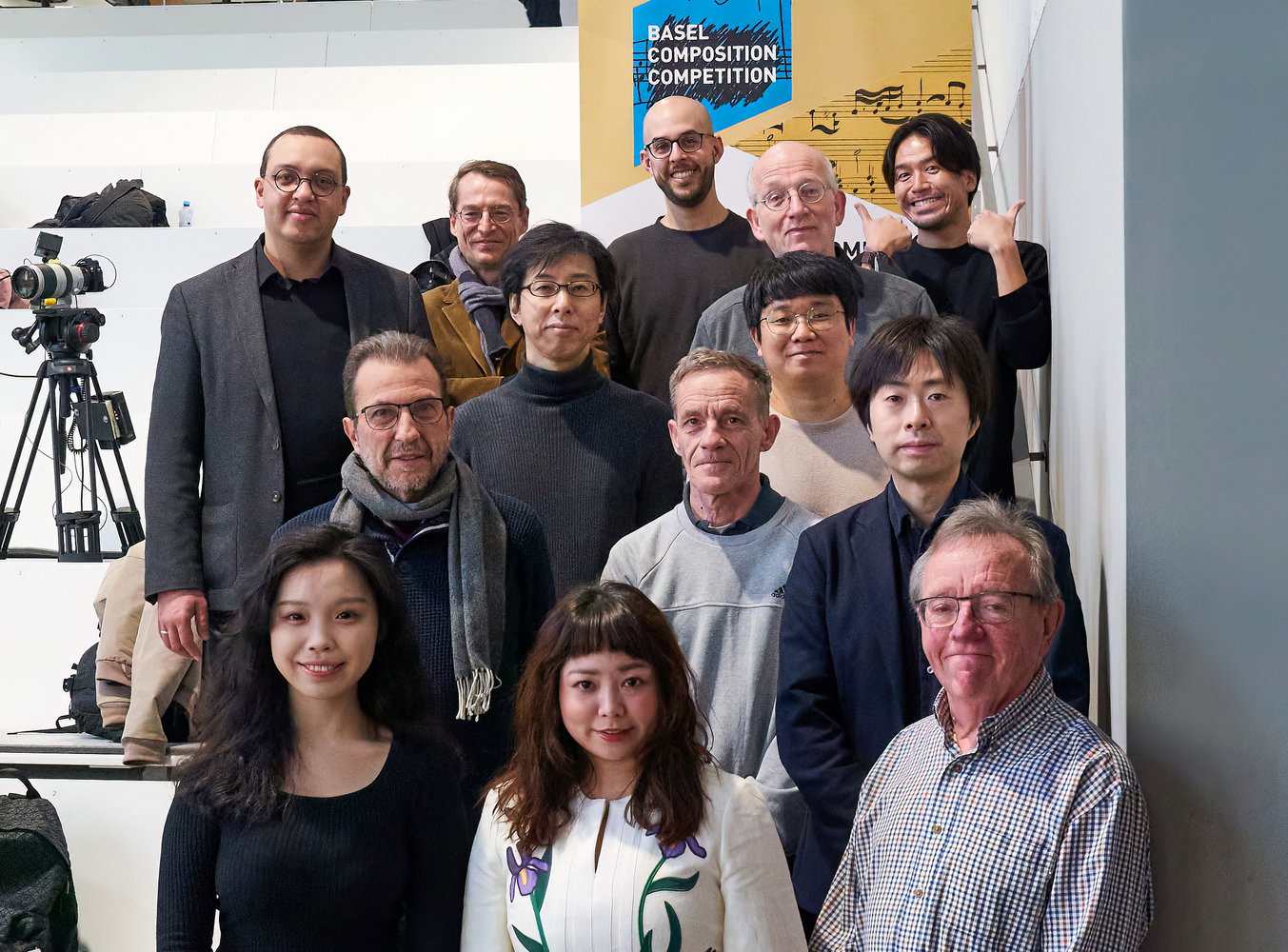
The fourth Basel Composition Competition will take place in Basel from February 9 to 12. There are 12 nominated compositions.
PM/SMZ
(translation: AI)
- 24 Jan 2023
The three 2021 award winners. photo: Olivia Brown
The invitation to tender for the fourth Basel Composition Competition was open to all composers, there were no age restrictions or educational requirements. The three best compositions were awarded cash prizes (CHF 60,000 for first prize, CHF 25,000 for second prize and CHF 15,000 for third prize).
Only 14% of the submissions came from women. For this reason, the competition's education project aims to help create new role models. Since the first competition in 2017, there has also been another educational project that aims to familiarize schoolchildren with the profession of composing.
This year's jury consists of Michael Jarrell (President), Rebecca Saunders, Isabel Mundry, Andrea Scartazzini, Toshio Hosokawa and Florian Besthorn.
All concerts can be followed via a free live stream.
The concerts from February 9 to 11 will feature works by: Masato Kimura, Steven Heelein, Leonardo Silva, Jinhan Xiao, Carlos Satue, Kotaro Morikawa, Masashi Kawashima, Jinseok Choi, John Weeks, Valerio Rossi, Gijsbrecht Roijé, Nana Kamiyama.